Hanoi (VNA) – Looking ahead to 2030, Vietnam’s tourism sector is advancing a strategic vision centred on professionalism and adaptability amid deeper international integration. The move comes alongside strong efforts to renew development thinking, enhance quality and improve the sustainability of tourism products.
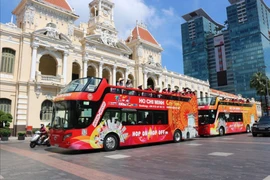
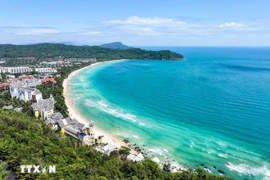
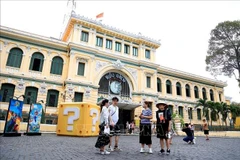
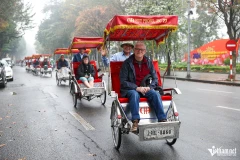
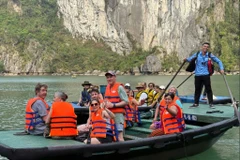
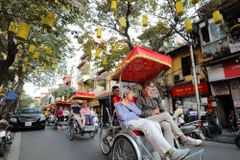
Tourism products are being structured around five core groups. These include island and coastal tourism linked with beach resorts, sightseeing and cruise tourism, as well as cultural tourism associated with heritage, festivals and cultural exploration. The other groups include ecological and green tourism tied to biodiversity, agriculture and rural areas, urban tourism connected with MICE tourism and the night-time economy, and finally, community-based craft village tourism.
Reviewing nearly nine years of implementing Vietnam’s tourism development strategy to 2025, with a vision to 2030, Ha Van Sieu, Deputy Director of the Vietnam National Authority of Tourism, said a wide range of new tourism models has emerged and expanded rapidly. Products have become increasingly diverse, drawing on strengths in culture, nature, cuisine, heritage and community life, while tourist arrivals and revenues have recorded positive growth.
As global tourism shifts towards green development, the experience economy and the night-time economy in the 2026–2030 period, Vietnam needs to pursue an integrated, multi-value approach to tourism product development, with quality, sustainability and visitor experience placed at the core, Sieu noted.
In the next phase, the tourism product development strategy will focus on selective priorities to ensure long-term sustainability. Priority will be given to piloting and developing product groups with strong competitiveness and brand-building potential.
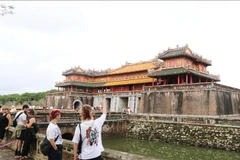
Island and coastal tourism linked with heritage and festivals will be developed into high-end tourism complexes that balance modern amenities with traditional cultural values and the identity of fishing communities. Cultural, spiritual and festival tourism will be revitalised through the regular organisation of festivals, the revival of traditional celebrations combined with contemporary experiences, and upgrades to infrastructure and services at key heritage sites.
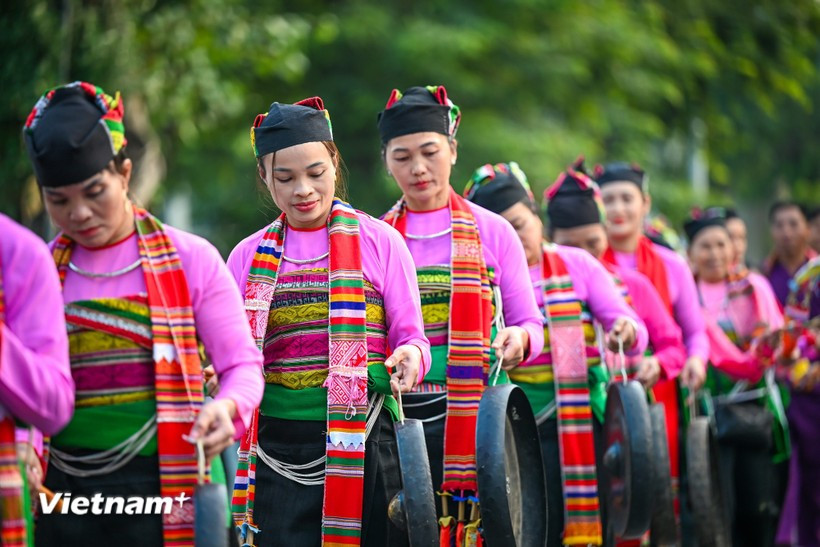
Community-based tourism and craft village tourism associated with intangible cultural heritage are identified as important directions, including experiential craft village tours, linking production visits with on-site shopping for OCOP (One Commune One Product) items, and expanding spaces for artistic performances, community cultural activities and educational tourism.
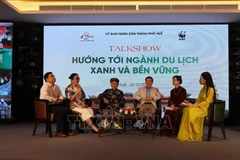
Green tourism harmonises resource use and conservation, environmental protection, emissions reduction and clean energy use, while raising awareness among communities and visitors.
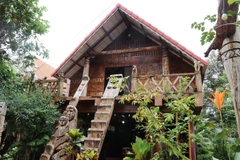
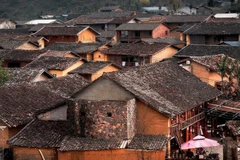
Rural tourism will remain a key pillar, with the integration of tourism, agriculture, craft villages, local cuisine and community life creating authentic and distinctive experiences in line with slow tourism and experiential travel trends.

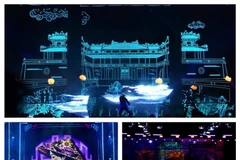
Night-time tourism is seen as a new growth space, helping to extend visitor stays and increase spending. Such products need to be developed in a professional and safe manner, linked with culture, arts, cuisine, shopping and entertainment, and tailored to the specific conditions and identities of each locality.
Medical and wellness tourism, capitalising on strengths in traditional medicine, healthcare services, resorts and physical and mental rehabilitation, is also identified as a promising area, requiring close coordination between the tourism and health sectors.
Alongside product development, the strategy to 2030 places strong emphasis on building value chains and enhancing regional linkages. Connecting tours and routes within and across provinces, regions and internationally will help form diverse product chains, extend stays and boost visitor spending.
Improving service capacity and the quality of visitor experiences is another overarching priority, with a focus on developing a professional workforce, training local guides and craft village artisans to engage in tourism in a structured manner. At the same time, tourism promotion and branding will be strengthened through modern, digital approaches, including the development of a unified brand identity, creative communication products, and applications and digital maps to support self-guided travel./.