Hanoi (VNA) – National Assembly (NA) Chairman Tran Thanh Man’s official visits to Senegal and Morocco are expected to catalyse comprehensive, results-driven cooperation between Vietnam and the two African countries in particular and the African region as a whole.
Strategically located on the Atlantic coast of West Africa, Senegal serves as a key gateway to the Economic Community of West African States (ECOWAS) - a region rich in natural resources, demographically young, and economically promising. Morocco, located on both the Mediterranean and Atlantic coasts of North Africa, is the African country closest to Europe, with numerous free trade agreements (FTAs) with the EU, the US, and African Union.
These geographic and economic strengths make Senegal and Morocco strategic entry points for Vietnamese enterprises seeking access to West African, North African, and broader African markets.
Senegal: A high-potential market
Senegal is regarded as a major commercial hub in West Africa, anchored by the Port of Dakar, a critical transhipment centre for the region. Oil development, infrastructure investments, and economic reform have driven growth, with the IMF projecting GDP growth of 8.4% by 2025 - the continent's highest.
Backed by liberal trade policies, Senegal is a founding member of the West African Economic and Monetary Union (WAEMU) and an active participant in the African Continental Free Trade Area (AfCFTA), opening doors to over one billion consumers.
Senegal can thus serve as a key conduit for Vietnamese goods and investment into West Africa and Africa at large. In return, Vietnam offers Senegal a strategic link to ASEAN, enhancing access to Southeast Asia.
Despite this potential, bilateral trade remains modest. In 2024, trade reached 81.16 million USD, with Vietnamese exports worth 43.91 million USD (mainly pepper, textiles, fruits, and vegetables) and imports hitting 37.25 million USD (primarily raw cashew nuts and animal feed).
However, in the first four months of 2025 alone, Vietnamese exports reached 43.43 million USD, nearly equalling the 2024 total. Key exports included rice (25.67 million USD), pepper (6.8 million USD), fruits (1.7 million USD), confectionery, auto and motorcycle parts, and seafood.
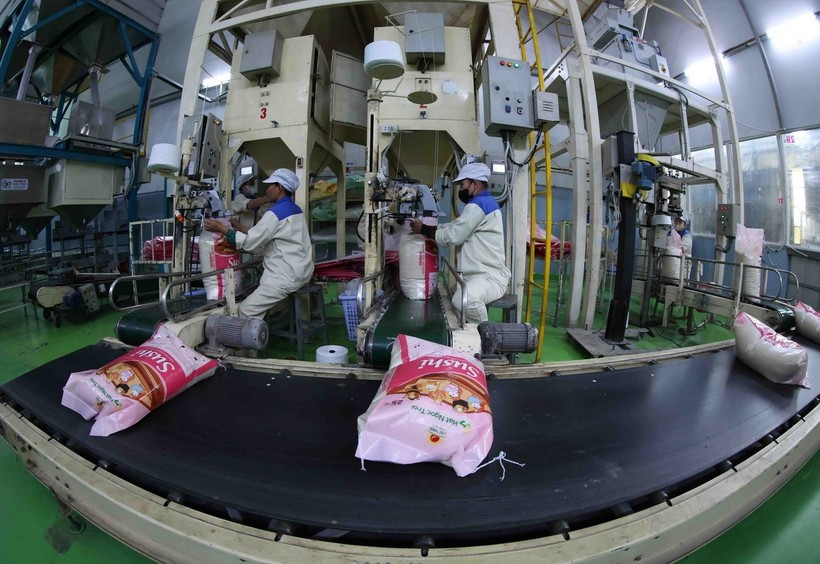
Vietnamese Trade Counsellor in Algeria (also accredited to Senegal) Hoang Duc Nhuan highlighted Senegal as Africa’s third-largest rice consumer, importing up to 1 million tonnes annually, mostly 100% broken rice. Vietnamese fragrant rice is widely available in Senegalese supermarkets, sold in 5kg and 25kg bags at 1.3 USD/kg.
Beyond rice, Senegalese firms are interested in Vietnamese spices, coffee, tea, building materials, wooden products, packaging, and educational supplies. Meanwhile, Vietnamese businesses in Senegal are seeking dry food products such as rice paper, vermicelli, pho noodles, and fish sauce for the expanding Asian restaurant sector.
Senegal is also eager to expand exports to Vietnam, focusing on cashew nuts, cotton, seafood, and fishmeal.
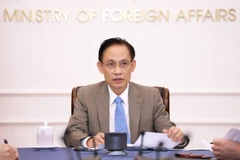
Thuan emphasised the need for more business delegations and participation in trade events, such as Vietnam Expo, Vietnam Food Expo, and the Dakar International Trade Fair. He also called for improved information-sharing, investment promotion, partner vetting, and dispute resolution mechanisms to support sustainable partnerships.
Mbaye Chimère Ndiaye, Secretary General of Dakar’s Chamber of Commerce, Industry and Agriculture, urged the establishment of a legal framework for trade and investment cooperation and the creation of a Vietnam–Senegal Business Council. He recommended regular trade promotion activities and business forums to fully realise mutual potential.
Vietnamese firms are increasingly interested in stable, high-potential partners in West Africa, with Senegal seen as a priority market. A Hanoi Trade Corporation (Hapro) representative confirmed efforts to find Senegalese partners for rice and agricultural exports. Hapro’s modern rice milling facility in Dong Thap province supplies over 70 global markets, laying a solid base for expansion in Africa.
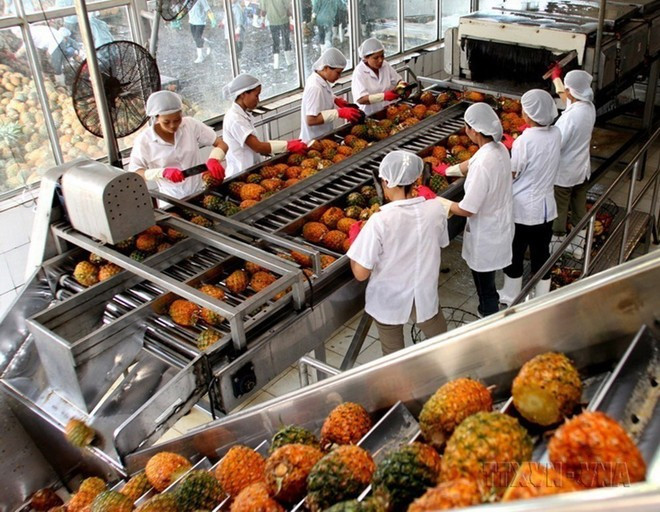
Similarly, Vietnam Tea Corporation is pursuing long-term tea export partnerships in Senegal, while Southern Star Agriculture, a start-up, is establishing distribution channels for organic dried fruit and vegetable powders, such as pennywort and perilla - highlighting a growing SME presence in Africa.
Strategic cooperation with Morocco
Vietnam’s partnership with Morocco is advancing, particularly as Vietnam seeks to boost its Halal exports to Muslim-majority markets in Africa, the Middle East, and Europe, with Morocco offering valuable Halal certification expertise.
The growing Vietnam–Morocco relationship promises collaboration in areas of comparative advantage. With strong political commitment and business backing, both countries are positioned to be regional cooperation bridges.
In 2024, bilateral trade reached 300 million USD, a 19% year-on-year increase. Vietnam exported 275 million USD in goods to Morocco, including mobile phones, cashew nuts, coffee, footwear, machinery, and textiles. Imports from Morocco remain limited to textile and leather materials, chemicals, and minor items.
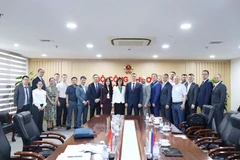
At the second meeting of the Vietnam–Morocco Sub-Committee on trade and industry cooperation in Rabat, Moroccan Secretary of State for Industry and Trade Omar Hejira expressed a strong desire to deepen ties. He called for closer collaboration in industrial sectors, focusing on mutual benefit.
Vietnam’s Deputy Minister of Industry and Trade Phan Thi Thang noted that the meeting provided a valuable platform to address challenges and pursue new opportunities. She outlined a goal to increase bilateral trade to 500 million USD by 2026 and turn industrial cooperation into concrete projects in sectors such as chemicals, fertilisers, agriculture, food processing, textiles, and footwear.
Both sides also plan to promote Halal product supply chains, using multilateral platforms where they share membership.
Deputy Minister Thang proposed leveraging economic complementarities, boosting competitive exports, and enhancing market intelligence via online portals. She urged regular trade promotions and welcomed Moroccan participation in Vietnam’s annual trade fairs.
Further priorities include logistics and banking cooperation, policy sharing, joint ventures, and exploring third-market opportunities through their respective FTA advantages./.