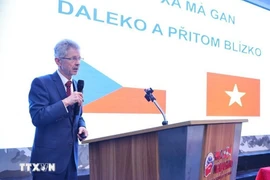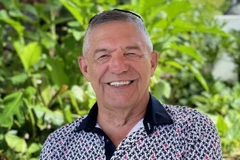
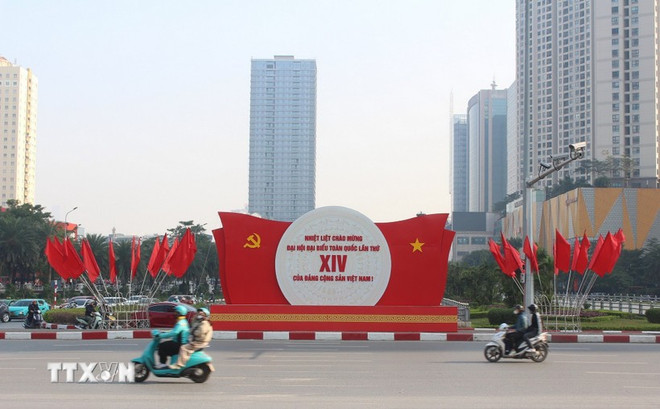
Hanoi (VNA) - The 14th National Congress of the Communist Party of Vietnam (CPV) marks a vital milestone in the country’s political development and in shaping its future orientations amid regional and global changes, said Milos Kosy, President of the Czech–Vietnam Friendship Association (CVFA).
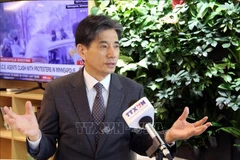
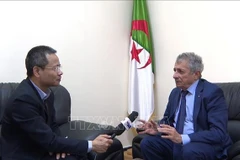
In an interview with the Vietnam News Agency (VNA)'s correspondent in the Czech Republic ahead of Vietnam’s important political event, Kosy stressed that the congress is significant not only for reaffirming the current direction, but also for setting development orientations that will guide the country over the next decade.
According to Kosy, the congress carries strategic significance for Vietnam’s next development period, while also playing a crucial role in personnel affairs and in ensuring continuity in the governing apparatus, thereby reinforcing the Party’s ideological foundation and legitimacy.
Beyond domestic considerations, the congress also holds external and regional significance, sending a clear signal of the role Vietnam aspires to play in Southeast Asia over the long term, he said.
Reflecting on the proven leadership role of the CPV over time, Kosy said that the past four decades, since the launch of the “Doi moi” (renewal) policy in 1986, have marked a historically significant period during which Vietnam has made substantial progress while maintaining political and social stability.
The CPV’s most significant contribution during this period was its early recognition of limitations of the centrally planned economic model, followed by the adoption of pragmatic reform decisions to transition toward a socialist-oriented market economy, he said, adding that this transition is reflected in Vietnam’s opening to foreign trade and investment, rapid economic growth, reduced poverty, accelerated industrialisation, and improved living standards for most of its people.
These achievements demonstrate the CPV’s ideological flexibility in adjusting its policies to align with practical development requirements, he stressed.
According to Kosy, another major contribution of the CPV has been maintaining political stability and continuity in governance, which has enabled long-term strategic planning in infrastructure, education, and industrialisation. This stability has not only helped Vietnam avoid the upheavals seen in some post-socialist countries but also reinforced foreign investors’ confidence in the country’s investment environment.
He emphasised the CPV’s role in protecting national sovereignty and shaping foreign policy. In today’s complex international climate, he noted, the Party has adeptly managed relations with major powers – maintaining ties with China while building strategic partnerships with the US, the European Union, Japan, and Russia – and has been actively boosting its political and diplomatic influence within the Association of Southeast Asian Nations (ASEAN).
This approach has contributed to strengthening the CPV’s image as a steadfast defender of national interests – a particularly significant role given Vietnam’s post-colonial context, he noted.
On behalf of the CVFA, the Czech Republic’s oldest and largest organisation dedicated to Vietnam, Kosy warmly wished the 14th National Congress of the CPV every success. He highlighted that the congress marks a new milestone in Vietnam’s continuing efforts to maintain stability, foster economic growth, strengthen social cohesion, and enhance its position in the international arena.
The strategic decisions and goals set by the congress will reflect the CPV’s wise and responsible leadership, committed to Vietnam’s prosperity and the well-being of its people, he said.
Kosy expressed his belief that under the CPV’s leadership, Vietnam will continue its development and contribute to deepening ties with the Czech Republic and solidifying the Strategic Partnership between the two countries./.