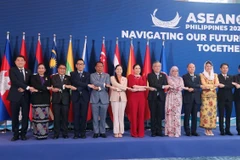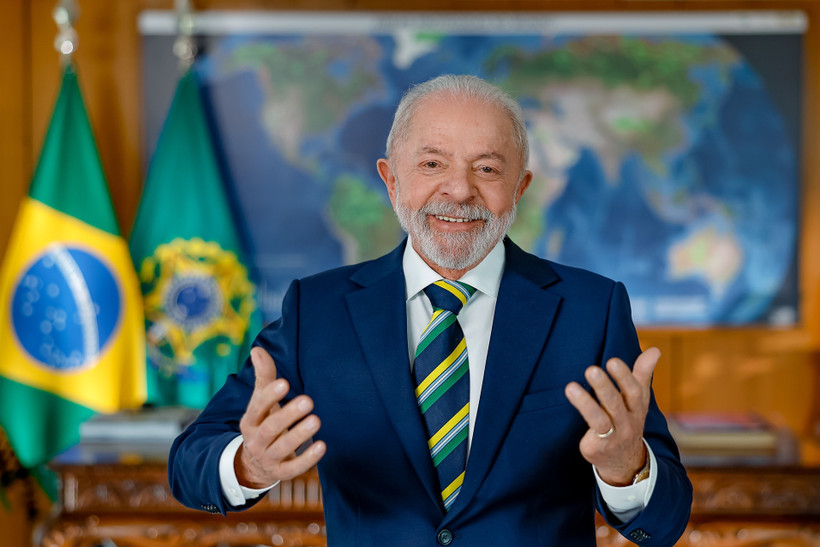
Buenos Aires (VNA) - President Luiz Inácio Lula da Silva will attend the ASEAN Summit in Malaysia from October 25 to 28, marking the first time a Brazilian head of state has participated in this event. Brazil and Southeast Asia are working to strengthen their partnership based on shared goals of sustainable growth, energy transition, and social inclusion.
On this occasion, the Vietnam News Agency’s correspondent in South America conducted an interview with President Lula da Silva on the prospects for developing relations between Brazil and ASEAN.
Reporter: As the Association of Southeast Asian Nations (ASEAN) continues to expand its engagement with partners across the Asia–Pacific, Brazil’s participation in this year’s Summit marks a milestone in inter-regional diplomacy. How do you envision Brazil’s role within ASEAN’s expanding network of partnerships beyond the Asia–Pacific region?
President Lula da Silva: The partnership between Brazil and the ASEAN exemplifies how a future of peace, stability, and sustainable growth can be built. With complementary and dynamic economies and a shared vision of a fair and inclusive international order, we demonstrate how dialogue and cooperation within the Global South can bridge distances and generate mutual benefits.
Over 25 years, trade between Brazil and ASEAN has increased more than 16 times. In 2000, our trade flow was 2.3 billion USD. In 2024, it reached 37.2 billion USD. We have much to offer and much to gain in the region, and our trade ties can grow even stronger. To further strengthen these ties, I will attend the ASEAN Summit next Sunday in Malaysia. It will be the first time a Brazilian president participates in the event.
Our business relationship is just one part of a much broader partnership. The adoption, in 2023, of the Practical Cooperation Areas (2024-2028) demonstrates the breadth of our shared agenda. Together, we offer ways to address climate change, provide food security, and promote energy transition and digital transformation.
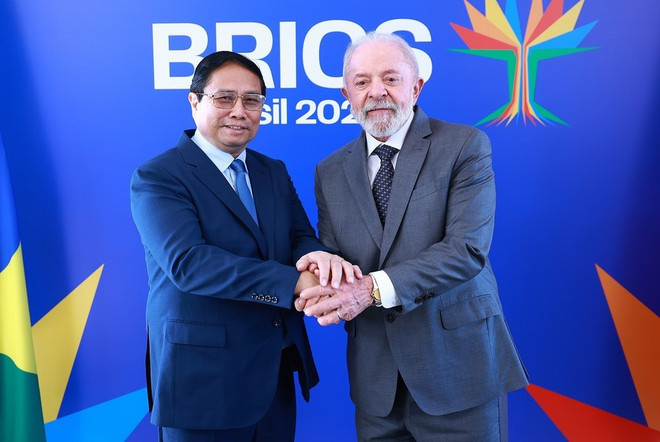
Reporter: Brazil is globally recognised for its pioneering achievements in clean energy, biofuels, and innovative social policies that have improved millions of lives. In your view, how can Brazil’s experience in these areas contribute to ASEAN’s sustainable development agenda?
President Lula da Silva: In the field of energy, in addition to having one of the world's cleanest energy mixes, Brazil has a history of five decades of development and use of ethanol as fuel. We have successfully tested public policy models and can share our technical, technological, and financial expertise in the sector.
Brazil is also a key strategic partner in ensuring food security for ASEAN’s 672 million people. As one of the largest global exporters of animal protein and grains, Brazil is perfectly positioned to meet the growth of the bloc's imports.
Additionally, Brazil offers ASEAN decades of experience in public policies and technical expertise to support local food production. Brazilian programmes linking family farming with markets and public institutions provide adaptable models, such as our National School Meals Programme.
Together, we also helped establish the Global Alliance Against Hunger and Poverty, which already counts eight ASEAN countries among its members. All this is based on the conviction that there is no real progress without social justice.
In the high-tech and innovation sectors, cooperation holds immense potential. While ASEAN is home to some of the most dynamic digital economies in the world and hosts innovation hubs in sectors such as semiconductors, Brazil brings together a vibrant ecosystem of startups and technological solutions focused on social inclusion, the digitization of public services, and financial transformation.
PIX – an instant payment system that revolutionized financial transactions in Brazil – and the GOV.BR platform – which unifies government services – exemplify how technology can democratize access to essential services. Recognized worldwide for their scale and effectiveness, these Brazilian innovations offer models that can benefit communities from other regions.
In parallel with economic and technological cooperation, Brazil and ASEAN share a worldview that is rooted in peace, stability, and universalism as the foundations of a fairer international order. The common commitment to disarmament, exemplified by our status as nuclear-weapon-free zones, demonstrates the conviction that collective security should be based on cooperation and not on the rule of might over right.
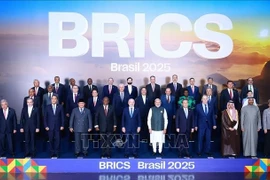
At the same time, we recognise that the multilateral system is facing an unprecedented crisis. The paralysis of the World Trade Organization (WTO) and the UN Security Council underscores the urgent need for reforms that reinforce multilateralism and make global governance more inclusive, legitimate, and representative. This is one of our priorities in the BRICS presidency this year, just as it was in 2024 when we were at the head of the G20.
Reporter: This November, Brazil will host COP30 in the Amazon, reaffirming its leadership in global climate action and environmental preservation. In what ways can closer cooperation with ASEAN strengthen the global fight against climate change?
President Lula da Silva: In the environmental field, Brazil is the country with the world’s greatest biodiversity, while ASEAN is home to about 25% of its fauna and flora species. Next month, we will host COP30 in the heart of the Amazon. This choice reflects the urgency of putting people at the center of climate discussions. We are convinced that there are no effective solutions for tropical rainforests without the leadership of those who live there.
At COP30, we will launch the Tropical Forests Forever Facility (TFFF), an innovative tool for rainforest preservation. The TFFF recognizes that forests provide ecosystem services that are essential to climate regulation. The fund's model establishes a compensation system of up to 4 USD per preserved hectare for countries that keep their forests standing. The TFFF is not based on donations - it is an investment in humanity and in the preservation of life on Earth.
Through cooperation and friendship, Brazil and ASEAN show that it is possible for everyone to benefit in international relations, in a true win-win relationship. Together, we have the chance to repair injustices and build a prosperous, sustainable, and peaceful future for all.
Reporter: Thank you very much!/.