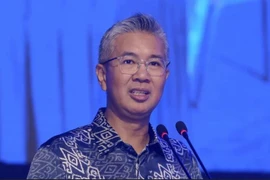
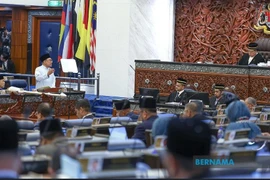
Kuala Lumpur (VNA) — Malaysia needs to modernise its power systems to build a low-carbon economy that is competitive, inclusive and resilient, said Deputy Prime Minister Datuk Seri Fadillah Yusof at the Global AI, Digital and Green Economy Summit 2025, which opened on December 15.
Fadillah, who is also the energy transition and water transformation minister, said digitalising the economy with trustworthy artificial intelligence (AI) and translating climate ambition into bankable and investable projects are also crucial steps that must be taken for Malaysia to achieve this goal.
He said the country calls call on utilities to bring forward projects that measurably reduce curtailment, accelerate connections and harden systems against extreme weather.
Manufacturers and building owners were urged to deploy AI-enabled efficiency, demand response and storage solutions, and to share lessons learned so aggregated demand can become a reliable system resource.
Fadillah added that the government also expects data centre and AI compute investors to design for efficiency and clean energy from day one, working closely with utilities to manage grid impacts responsibly.
He noted that financiers are invited to properly price integrity, resilience and speed to impact, and to strengthen partnerships among ASEAN countries to expand interconnectors and harmonise rules so clean power can flow where it is needed most.
However, the grid remains the primary bottleneck, and without faster expansion and digitalisation of transmission and distribution, renewable energy growth will stall, he stated.
He added that Malaysia’s direction is firm, focusing on building a modern grid, a digital economy powered by trustworthy AI, and climate finance systems that deliver real-world decarbonisation./.