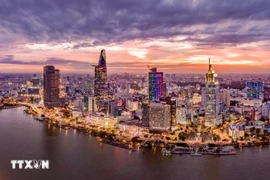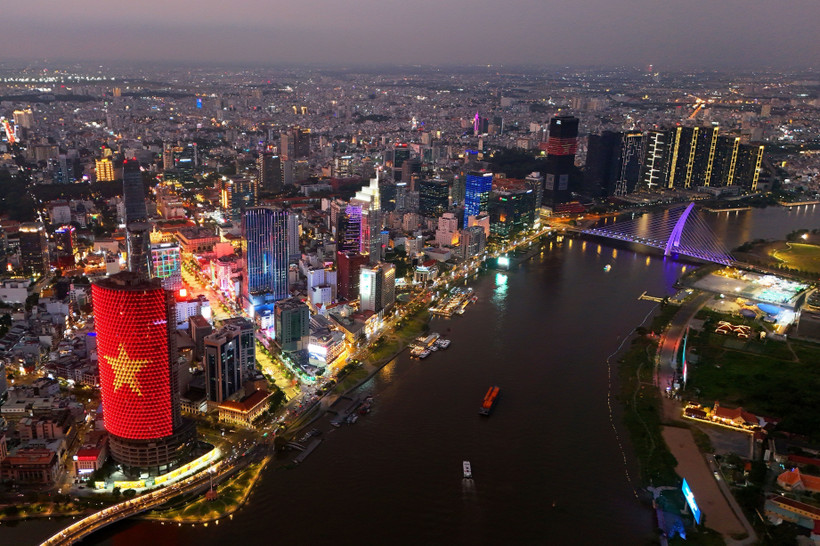
HCM City (VNA) – Ho Chi Minh City must deliver decisive breakthroughs in governance, infrastructure, human resources, and sustainable development to become a mega city in Asia, according to experts.
Long regarded as Vietnam’s economic hub, HCM City contributes about 23% of the country’s GDP and 30% of national budget revenue. It is also the nation’s leading hub for finance, commerce, science, and technology.
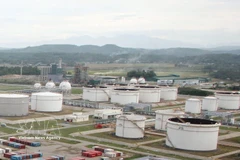
Experts said that overloaded infrastructure has been the city’s biggest bottleneck for years. With a population exceeding 14 million and nearly 9 million vehicles, pressure on transport systems is immense.
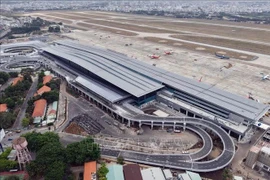
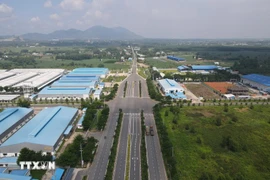
According to Vice Chairman of the HCM City Port and Bridge Association Ha Ngoc Truong, progress must accelerate on Metro Lines 1 and 2, ring roads, inter-regional expressways, as well as port and airport networks.
Only with these foundations can the city ease congestion, reduce pollution, and boost competitiveness, he noted.
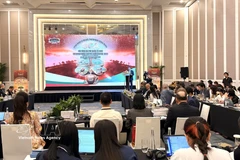
Modern urban governance is equally critical. Associate Professor Dr. Nguyen Minh Hoa of the Ho Chi Minh City University of Social Sciences and Humanities stressed that a mega-city cannot function efficiently without transparent, intelligent management. The city, he said, should advance digital government, big data, and AI in decision-making, while cutting red tape to make public services more accessible for residents and businesses.
Ho Chi Minh City has already launched a smart city initiative, establishing shared data centres and urban command systems. But experts argue that greater coordination among departments, stronger financial mechanisms, and deeper investment in digital technology are needed to maximise results.
Nguyen Van Loi, a resident of Long Truong ward said that if infrastructure projects are completed faster and administrative procedures become more transparent, people will definitely feel more satisfied and confident.
Innovation, human capital - driving forces
Infrastructure alone will not propel Ho Chi Minh City to mega status. Knowledge, innovation, and human capital are equally decisive.
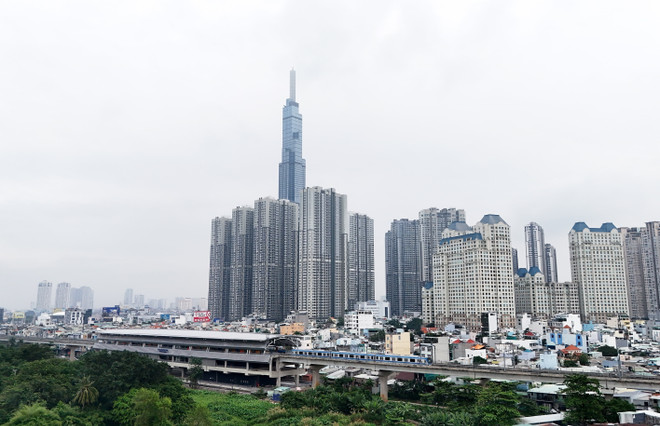
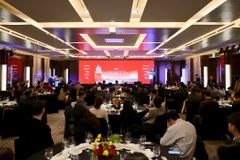
Economist Dr. Tran Du Lich emphasised that the city must position itself as a hub of knowledge and creativity, with policies to attract global experts, build dynamic workplaces, and expand investment in education, research, and startups.
Several innovation clusters are already emerging: the Eastern Innovation Urban Area, the Saigon Hi-Tech Park, the Thu Thiem International Financial Centre, and a growing network of startup incubators. These are expected to foster knowledge-based industries such as AI, biotechnology, fintech, e-commerce, and green logistics.
Sustainability will be a defining factor. Associate Professor Dr. Nguyen Hong Quan, Director of the Institute for Circular Economy Development at the Vietnam National University - HCMC, stressed that green and circular economies must be at the core of future growth. He called for stronger green credit incentives, support for clean production, and measures to reduce emissions and save energy.
For residents, livability is as important as growth.
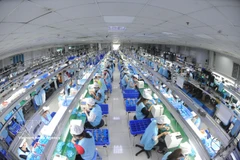
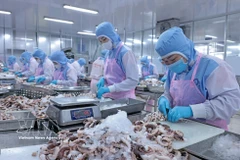
Hoang Mai Hoa, an industrial zone employee, said that workers hope for more parks, greener spaces, and cleaner air. A better living environment will help them stay committed to the city.
International experts noted that to maintain its edge, Ho Chi Minh City must build a global brand, not just through GDP growth but by offering an innovative, talent-friendly, and environmentally responsible urban environment.
To achieve this vision, the city needs a comprehensive strategy anchored in four pillars: modern infrastructure, smart governance, high-quality human resources, and green development. With the determination of its leadership and the support of businesses, scientists, and citizens, the city is well-positioned to assert itself as a regional mega-city in the near future./.