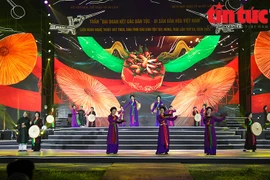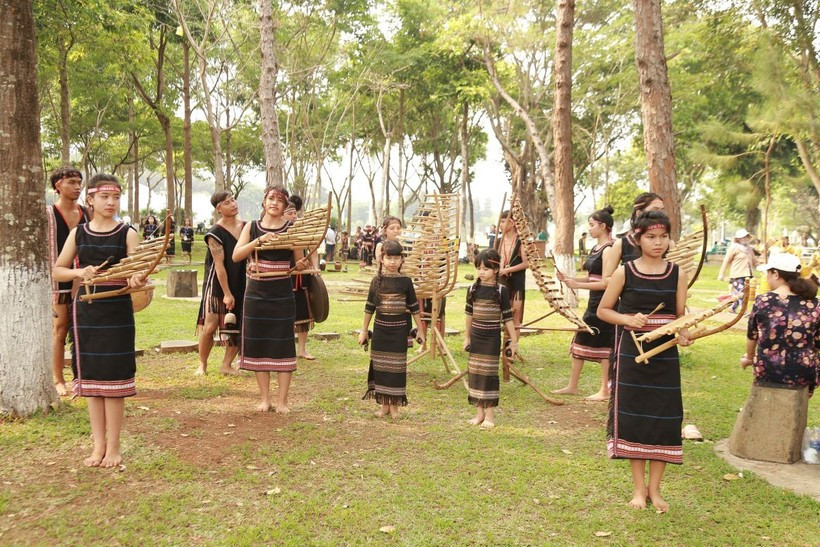
Hanoi (VNA) – Since the Prime Minister designated November 23 as Vietnam Cultural Heritage Day, cultural heritage preservation and promotion work has received special attention, with heritage becoming an important resource for national development.
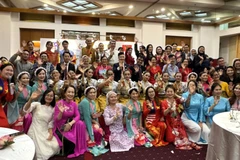
Annual activities are held on November 23 nationwide to foster love for cultural heritage and strengthen public awareness and responsibility for protecting the heritage value. These activities help promote Vietnam’s cultural heritage to domestic and international audiences while fostering a stronger sense of community responsibility in preserving and upholding the heritage values, towards sustainable development.
Heritage – motivation for development
With its rich and distinctive cultural heritage system, Vietnam has affirmed its position on the global tourism map. According to the Vietnam National Authority of Tourism (VNAT) under the Ministry of Culture, Sports and Tourism, cultural heritage is a strategic resource that helps shape the unique brand of Vietnamese tourism. This is not just an assessment but a vivid reality, reflected in the strong flow of visitors to heritage-linked destinations across the country.
An estimated 70–80% of international tourists choose Vietnam specifically to experience its culture and explore its heritage. This clearly demonstrates that heritage is not merely preserved remnants of the past, but has become a motivation for development at present and in the future.
Recently, the UNESCO Global Geopark Dong Van Karst Plateau, located in Tuyen Quang province, has been honoured as Asia’s Leading Cultural Destination 2025 by the World Travel Awards (WTA). This is one of the organisation’s most prestigious categories, recognising destinations with outstanding achievements in preserving local cultural heritage, promoting sustainable tourism, and protecting natural ecosystems.
The UN World Tourism Organisation (UN Tourism) has also named Lo Lo Chai – the small village at the foot of Lung Cu Flag Tower in Tuyen Quang as one of the best tourism villages in 2025.
After UNESCO inscribed the Trang An Scenic Complex in Ninh Binh as a World Cultural and Natural Heritage site, the province's profile has been elevated, creating new opportunities for the development of heritage-related cultural tourism. This site is renowned for its wealth of valuable archaeological discoveries, which provide a strong foundation for developing attractive and unique tourism products in Ninh Binh.
Nguyen Cao Tan, Deputy Director of the provincial Department of Tourism, said that the local tourism sector will soon implement projects to develop unique cultural and eco-tourism products, aiming to raise public awareness of heritage preservation, provide sustainable livelihoods for residents, and promote the local cultural heritage values to domestic and international visitors.
Most recently, the Yen Tu – Vinh Nghiem - Con Son, Kiep Bac Complex of Monuments and Landscapes (located in Quảng Ninh and Bac Ninh provinces and Hai Phong city) was inscribed in the list of UNESCO world heritage in July 2025.
The UNESCO-recognised heritage sites create new opportunities for tourism, services, and cultural development, helping boost heritage-based tourism and attract high-spending visitors.
Nguyen Viet Dung, Director of the Department of Culture, Sports, and Tourism of Quang Ninh province, stated that a world cultural heritage title not only honours a region but also serves as a “soft” resource to inspire pride, responsibility, and collective action in preserving cultural identity, ensuring sustainability for the future.
Quang Ninh regards heritage not just as a tourism resource but as a unique cultural asset that holds economic value and serves as a pillar for building identity, trust, and human development. The province considers developing a “heritage economy” as a strategic approach to sustainable socio-economic growth.
Orientation for sustainable cultural development
In the draft documents for the 14th National Party Congress, the concept of “heritage economy” was introduced as a strategic direction for sustainable cultural development.
According to Dr Tran Huu Son, Director of the Institute of Applied Folklore, the draft documents emphasise the importance of preserving and effectively promoting cultural heritage values in connection with developing a heritage economy.
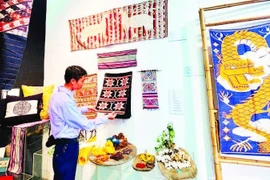
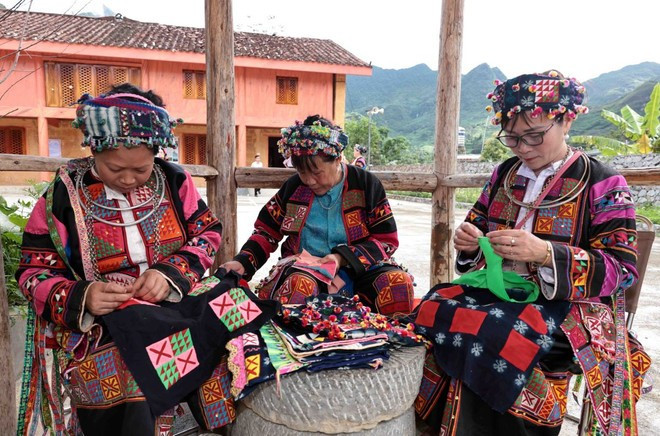
Son stressed that the “heritage economy” is a new economic sector encompassing various forms, such as heritage tourism, OCOP agricultural products, cultural industries that build on heritage symbols and values, traditional cuisine, and handicrafts. Vietnam’s heritage economy rests on three main pillars, with heritage tourism being the most widespread, including spiritual tourism, ancestral-root tourism, and cultural experience tourism.
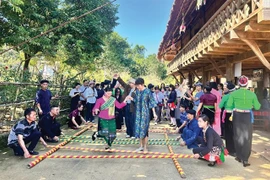
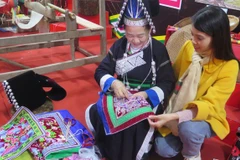
Products such as journeys to the Hung Kings Temple and the terraced fields of Mu Cang Chai, practising brocade weaving of Mong and Thai people, and experiencing Xoe Thai dance in Dien Bien province clearly demonstrate how heritage can be transformed into distinctive tourism resources.
Visitors not only observe but also participate in rituals, learn traditional crafts, enjoy folk songs, or simply immerse themselves in the life of local communities.
Once regarded merely as a spiritual asset to be preserved, heritage is now recognised as a key resource for socio-economic development, contributing to strengthening national identity and intrinsic resilience. This shift is not only a new mindset but also a significant turning point, marking a breakthrough approach that treats cultural heritage as a driver of sustainable growth.
The Party and State have always recognised the importance of Vietnam’s cultural heritage and consistently pursued policies to preserve and promote traditional cultural values, while encouraging the exploration, creation, and development of effective cultural models, institutions, and management. The draft documents continue to highlight this perspective, reflecting the Party’s long-term vision for building “an advanced Vietnamese culture imbued with national identity”./.