Hanoi (VNA) – Vietnam expects that its cultural industries will contribute 9% of the country’s GDP and account for 8% of total workforce by 2045.
These are key targets outlined in the Development Strategy of Cultural Industries to 2030, with a vision to 2045, recently approved by Prime Minister Pham Minh Chinh.
The strategy identifies 11 cultural industries, everything from film, fine arts and photography to performing arts, software and games, handicrafts, along with radio and television.
These sectors produce goods and services that integrate culture, creativity, technology and intellectual property, meeting the public’s cultural consumption needs while supporting Vietnam’s goals for international integration and sustainable development.

The Vietnamese Government aims to develop cultural industries into major economic drivers with high growth potential, expanding exports of key cultural products; and promoting Vietnam’s cultural identity, history, values and national brand on the global stage.
At the same time, the strategy emphasises developing the entertainment industry to meet the diverse demands of people and visitors, strengthen community connections, honour cultural values, and boost exports of entertainment products worldwide.
By 2030, Vietnam targets an average annual growth rate of around 10% for cultural industries, with the sector contributing 7% to national GDP. The cultural industry workforce is expected to grow 10% annually, accounting for 6% of total employment. The number of cultural industry enterprises is expected to expand by 10% per year, while export value of cultural products is projected to grow 7% annually.
The strategy also calls for modern, synchronised planning and investment in cultural industry hubs, creative spaces, cultural industry zones, and multi-functional creative complexes aimed at harnessing unique cultural assets and building strong local and national product brands.
By 2045, digital cultural products are expected to account for more than 80% of the sector’s output, with cultural industry exports increasing 9% annually. These indicators form part of Vietnam’s ambition to become a leading cultural and entertainment industry hub in Asia, asserting its position on the global cultural industries map.
Six priority cultural industries
The strategy identifies six priority sectors for focused investment: film, performing arts, software and games, advertising, handicrafts, and cultural tourism. Strengthening these industries will create value chains, enhance market potential and transform cultural resources into national soft power.
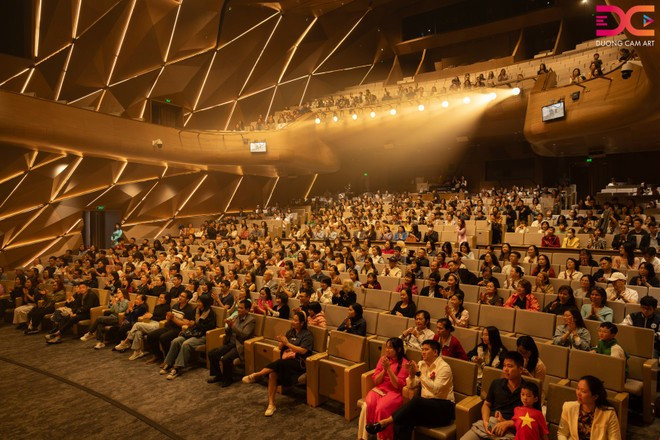
Prime Minister Pham Minh Chinh has directed the Ministry of Culture, Sports and Tourism to lead the strategy implementation; guide ministries, sectors and localities in developing action plans; and serve as the focal point for coordination.
The ministry will work with the Ministry of Public Security, Ministry of Science and Technology, Ministry of Finance, Ministry of Industry and Trade, related agencies and localities to develop a national database on cultural industries, integrate it with existing national databases, and build statistical indicators to assess economic and social contributions of cultural industries.
Key tasks include strengthening public awareness, improving institutions and policy frameworks, human resources, and infrastructure and investment. Also included is areas promoting science, technology, innovation and digital transformation, expanding markets, enhancing international cooperation, and improving intellectual property protection.
The Government also emphasises that cultural industries must be developed in line with the strengths and planning of each province or city, particularly within key economic regions and new provincial administrative arrangements.
Enterprises in the cultural industries will receive support to build a professional, interconnected ecosystem encompassing creativity, production, business, promotion and consumption together with strengthened intellectual property protection.
The strategy envisions that by 2030, Vietnamese cultural industry products will primarily serve the domestic market while expanding exports, especially to markets with large Vietnamese communities. By 2045, Vietnam aims to maximise professionalism, creativity and competitiveness, positioning its cultural products strongly in the global marketplace./.