Dan Kinh Thien – Thung Ui: Thousand-year-old distinctive tourism site in Ninh Binh

The site is associated with King Dinh Tien Hoang (Dinh Bo Linh, 924–979)’s heaven worship ceremony before his campaign to quell the rebellion of the 12 warlords. After reunifying the country and ascending the throne, he returned here to perform the heaven worship ritual and proclaim his reign.

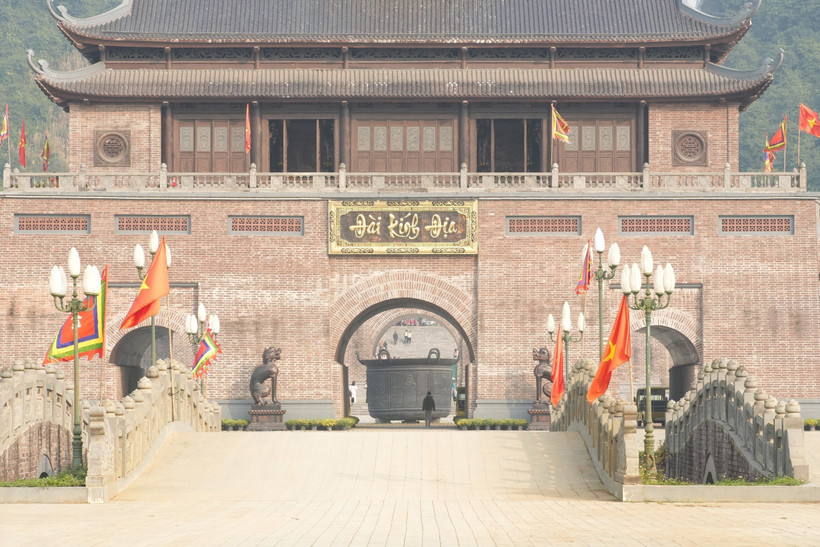
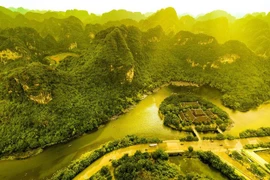
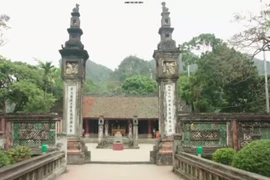
A view of Dan Kinh Thien (Heaven Worship Altar) in Ninh Binh province (Photo: VNA)

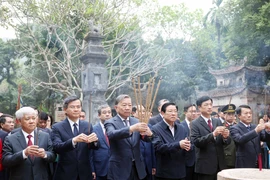
Ninh Binh (VNA) – The Department of Tourism of the northern province of Ninh Binh in coordination with the Xuan Truong construction enterprise has organised a familiarisation tour of Dan Kinh Thien (Heaven Worship Altar) –Thung Ui, a tourism site in Tay Hoa Lu ward where King Dinh Tien Hoang conducted heaven worship rituals more than 1,000 years ago.

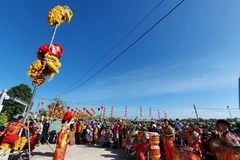
The event drew about 2,000 participants from more than 200 travel and tourism service providers nationwide, along with over 100 media representatives. They toured the site and experienced cultural features closely associated with local traditions and the Muong ethnic group.

The Dan Kinh Thien spiritual tourism site covers 270 hectares near the Bai Dinh Pagoda complex. The site is associated with King Dinh Tien Hoang (Dinh Bo Linh, 924–979)’s heaven worship ceremony before his campaign to quell the rebellion of the 12 warlords. After reunifying the country and ascending the throne, he returned here to perform the heaven worship ritual and proclaim his reign.

Heaven worship was one of the most important court rituals in feudal Vietnam, intended to pray for favourable weather, national peace, prosperity and social harmony.

Truong Dinh Tuong, Chairman of the Ninh Binh Historical Science Association, said emperors of all feudal dynasties, from the Dinh – Early Le dynasties through the Nguyen dynasty, placed great importance on these ceremonies. As the ancient capital of the Dinh, Early Le and Ly dynasties, Hoa Lu still retains deep historical imprints.
vna-potal-dac-sac-diem-du-lich-dan-kinh-thien-thung-ui-noi-vua-dinh-te-troi-1000-nam-truoc-8568886.jpg
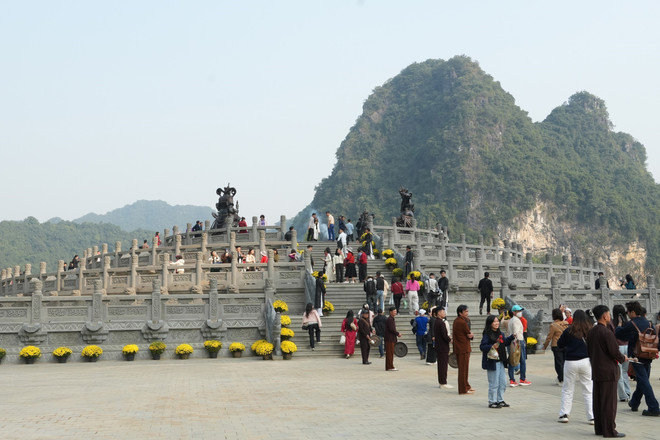
Dan Kinh Thien, also known as the Nam Giao Altar, dates back more than 1,000 years, lies within the ancient Hoa Lu capital area, now part of the Trang An Landscape Complex — a UNESCO World Cultural and Natural Heritage Site. (Photo: VNA)

In 968, following national reunification, Dinh Bo Linh proclaimed himself Emperor Dinh Tien Hoang at Dan Kinh Thien, named the country Dai Co Viet, adopted the reign title Thai Binh, and established Vietnam’s first centralised feudal state.

Dan Kinh Thien, also known as the Nam Giao Altar, dates back more than 1,000 years, lies within the ancient Hoa Lu capital area, now part of the Trang An Landscape Complex — a UNESCO World Cultural and Natural Heritage site. The altar was restored in 2018 to mark the 1,050th anniversary of Dinh Bo Linh’s coronation, featuring a three-gate structure — Human, Earth and Heaven — reflecting the ancient “Three Powers” concept.

Notably, archaeological research conducted over more than two decades during the restoration process uncovered prehistoric human remains dating back 13,000 to 50,000 years ago. The findings confirm early human settlement in the Trang An – Hoa Lu area and reinforce Dan Kinh Thien as a symbolic convergence of heaven, earth and humanity.

Sharing their impressions, travel businesses said Ninh Binh’s tourism has increasingly shifted towards cultural and spiritual experiences in harmony with nature. Dan Kinh Thien – Thung Ui, with its strong historical imprints, is expected to be incorporated in new tours.

Spring is the peak season for festivals and pilgrimages, and Dan Kinh Thien – Thung Ui is anticipated to become a distinctive new tourism product attracting a large number of visitors, said Duong Thi Thanh, Chairwoman of the Ninh Binh Tourism Association.

A representative of the Ninh Binh Department of Tourism said the site, both a historical and cultural testament and a new tourism space, will open to visitors during the coming Lunar New Year, creating fresh momentum for local tourism development./.
VNA

See more

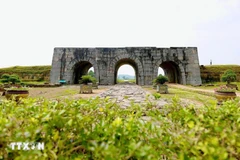
The South Gate of the Ho Dynasty Citadel. (Photo: VNA)

Visitors to enjoy free entry to Ho Dynasty Citadel, Lam Kinh relic site during Tet holiday

Under the plan, visitors will enjoy free entry to the Ho Citadel World Heritage Site from February 12 to 17, 2026 (from the 25th day of the 12th lunar month to the first day of the Year of the Horse). Meanwhile, free entry to the Lam Kinh Special National Relic will be available from February 16 to 19, 2026 (from the 29th day of the 12th lunar month to the third day of the Year of the Horse).

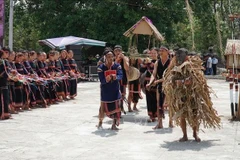
The Space of Gong Culture in the Central Highlands is recognised by UNESCO in 2005 as a Masterpiece of the Oral and Intangible Heritage of Humanity (Photo: VNA)

National Tourism Year – Gia Lai 2026 to open in March

A wide range of activities, including festivals, cultural and sporting events, promotional campaigns, market linkages, investment promotion; community-based, creative, and experiential activities, will be structured around quarterly themes to maintain momentum and broad appeal.

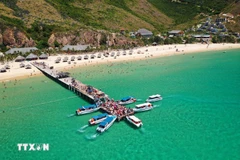
Ky Co tourism area in Quy Nhon (Photo: VNA)

Quy Nhon wins ASEAN Clean Tourist City Award 2026

Previously, Quy Nhon was also honoured with the ASEAN Clean Tourist City Award in 2020 and 2024, demonstrating its consistent commitment to environmental protection, urban cleanliness and sustainable tourism development.

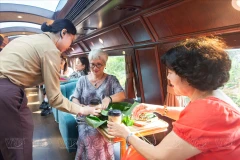
Visitors on Hanoi Five Gates train are offered complimentary seasonal light refreshments. (Photo: VNA)

Australian newspaper highlights experience on Hanoi Five Gates train

The author chose to sit inside the “Hanoi Five Gates” train, observing curious onlookers outside as it rolled along the route of one of Hanoi’s newest tourism products. The train, which began operations in September 2025, allows passengers to view the famed “Train Street” from a different perspective, while also offering glimpses into Vietnamese daily life and culture.

At the tourism promotion programme for Hue and Quang Tri in Seoul. (Photo: VNA)

Hue, Quang Tri promote tourism, push direct air links with RoK

Binh said the programme sought to position Hue and Quang Tri as diverse and high-quality destinations in central Vietnam, combining rich cultural heritage, attractive natural landscapes and professional tourism services, while also promoting cooperation between Vietnamese and Korean tourism enterprises.

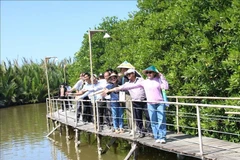
Tourists visit mangrove forests in the coastal commune of An Hoa, Vinh Long province. (Photo: VNA)

Mekong Delta repositions as global tourism hub

As the country enters a new era of development, experts shared the view that green transformation is no longer optional but a necessity for the region that is heavily impacted by climate change. By repositioning its image through conservation and high-value experiences, the Mekong Delta is choosing a path of "slow but steady" growth.

A lion dance performance on Ong Lang street. Can Tho welcomes visitors to the city during the Lunar New Year holiday. (Photo: VNA)

Tet 2026 sends positive signals, setting the pace for tourism growth

Around three weeks ahead of Tet, the domestic travel market has become noticeably more vibrant. Data from online searches and social media platforms point to a sharp rise in interest, particularly in destinations offering pleasant weather, well-developed tourism infrastructure and family-friendly appeal.

Sun World attracts domestic and international visitors through international-standard live shows. (Photo: Sun Group)

Theme parks emerge as a defining travel trend for 2026

In Vietnam, Sun World, recently named “Vietnam’s Leading Attraction and Entertainment Brand 2025” by Klook, is widely seen as a representative of this trend, with a network of theme parks stretching from mountainous regions to coastal and island destinations.

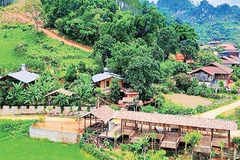
A view of the tourism village in Huu Lien commune, Lang Son province. (Photo: Nhan Dan)

Revitalising cultural identity through community-based tourism

For many households, tourism has brought additional income, created jobs for younger generations and reinforced the value of maintaining traditional ways of life. Rather than eroding cultural practices, tourism has turned them into key attractions, strengthening community pride and cultural continuity.

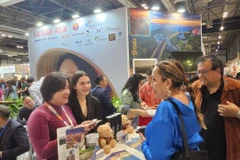
Visitors seek information on Vietnam’s tourist destinations at the 2026 FITUR International Tourism Fair. (Photo published by VNA)

Vietnam shines at FITUR int’l tourism fair in Spain

The main goal of Vietnam’s participation in FITUR is to highlight its growing presence among top global tourism destinations while introducing new offerings and the potential of the country as a travel destination for the Spanish-speaking community.