Pavie stone road, a silent historical witness of Vietnam’s Northwestern region

Hidden along the slopes of the majestic Nhiu Co San mountain range, the ancient Pavie stone road, also known as the Pavie road in Lai Chau province, stands as a silent historical witness of Vietnam’s Northwestern region.

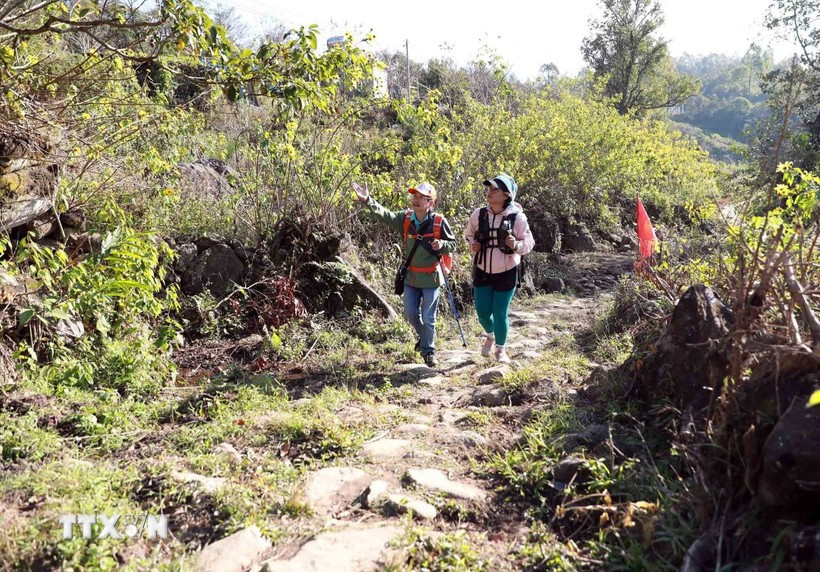
The historic Pavie stone road runs from Sin Suoi Ho commune of Lai Chau province to Den Sang commune of Lao Cai province. (Photo: VNA)

Hanoi (VNA) – After more than a century, a road that once served as a vital trade artery has “awakened”, emerging as a captivating trekking route for nature lovers and adventure seekers.

Hidden along the slopes of the majestic Nhiu Co San mountain range, the ancient Pavie stone road, also known as the Pavie road in Lai Chau province, stands as a silent historical witness of Vietnam’s Northwestern region.

Built in 1920 during the French colonial period, the stone-paved road was surveyed and constructed under the direction of Governor Auguste Jean-Marie Pavie to facilitate the transport of food and agricultural products and to strengthen control over remote border areas. The road was named after Pavie himself.

At the time of its completion, the route was considered a key transport link connecting Lai Chau and Lao Cai provinces. Fully paved with stone and about three metres wide, it was suitable for pedestrians and pack horses. Along the route, the French established a system of outposts for patrol purposes and even built an airstrip near Nhiu Co San village to support transport in the rugged terrain.

However, the construction came at a high human cost. Many local labourers lost their lives due to hunger, cold and exhaustion amid harsh climate conditions and dense forests. Despite this, the stone road has endured through wars and time, with around 17 kilometres remaining largely intact today.

For generations, local people used the road for daily travel. It was not until around 2017, when images were widely shared by the media and adventure communities, that the Pavie stone road gained broader attention and gradually became a destination for experiential tourism.

Trekking along the ancient road typically begins early in the morning, with visitors advised to hire local guides and porters to ensure safety. The first five kilometres are relatively easy, with flatter terrain and frequent use by residents and livestock. Further uphill, the path becomes more challenging, with moss-covered stone slabs growing increasingly slippery but visually striking.

In return, trekkers are rewarded with breathtaking scenery, including primaeval forests, lush cardamom fields and glimpses of local people harvesting forestry products. The area boasts rich biodiversity, changing with elevation, from towering old-growth trees to expansive spice plantations, creating a tranquil and immersive natural landscape.

Near the boundary between Lai Chau and Lao Cai, trekkers encounter a clear mountain stream, often chosen as a resting spot. Many groups stop for lunch at Gio Pass, located at an altitude of around 2,000 metres above sea level. The pass is known not only for its scenery but also for spiritual folk tales passed down through generations.

According to local belief, many labourers perished there during the road’s construction. Travellers traditionally build small grass-and-earth mounds as symbolic graves to pray for safe passage, reflecting a unique spiritual practice in the deep forest.

Today, the Pavie stone road continues to serve as a vital shortcut between highland communities while opening new opportunities for trekking tourism in Lai Chau and Lao Cai provinces. Its revival not only offers memorable journeys for visitors but also helps create livelihoods and improve living standards for residents, marking a meaningful rebirth amid the mountains of the Northwest./.
See more

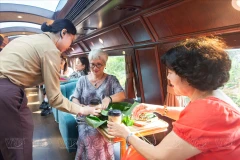
Visitors on Hanoi Five Gates train are offered complimentary seasonal light refreshments. (Photo: VNA)

Australian newspaper highlights experience on Hanoi Five Gates train

The author chose to sit inside the “Hanoi Five Gates” train, observing curious onlookers outside as it rolled along the route of one of Hanoi’s newest tourism products. The train, which began operations in September 2025, allows passengers to view the famed “Train Street” from a different perspective, while also offering glimpses into Vietnamese daily life and culture.

At the tourism promotion programme for Hue and Quang Tri in Seoul. (Photo: VNA)

Hue, Quang Tri promote tourism, push direct air links with RoK

Binh said the programme sought to position Hue and Quang Tri as diverse and high-quality destinations in central Vietnam, combining rich cultural heritage, attractive natural landscapes and professional tourism services, while also promoting cooperation between Vietnamese and Korean tourism enterprises.

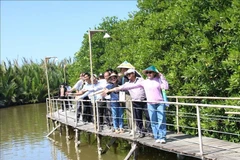
Tourists visit mangrove forests in the coastal commune of An Hoa, Vinh Long province. (Photo: VNA)

Mekong Delta repositions as global tourism hub

As the country enters a new era of development, experts shared the view that green transformation is no longer optional but a necessity for the region that is heavily impacted by climate change. By repositioning its image through conservation and high-value experiences, the Mekong Delta is choosing a path of "slow but steady" growth.

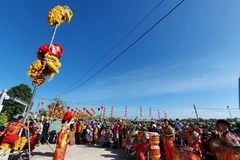
A lion dance performance on Ong Lang street. Can Tho welcomes visitors to the city during the Lunar New Year holiday. (Photo: VNA)

Tet 2026 sends positive signals, setting the pace for tourism growth

Around three weeks ahead of Tet, the domestic travel market has become noticeably more vibrant. Data from online searches and social media platforms point to a sharp rise in interest, particularly in destinations offering pleasant weather, well-developed tourism infrastructure and family-friendly appeal.

Sun World attracts domestic and international visitors through international-standard live shows. (Photo: Sun Group)

Theme parks emerge as a defining travel trend for 2026

In Vietnam, Sun World, recently named “Vietnam’s Leading Attraction and Entertainment Brand 2025” by Klook, is widely seen as a representative of this trend, with a network of theme parks stretching from mountainous regions to coastal and island destinations.

A view of the tourism village in Huu Lien commune, Lang Son province. (Photo: Nhan Dan)

Revitalising cultural identity through community-based tourism

For many households, tourism has brought additional income, created jobs for younger generations and reinforced the value of maintaining traditional ways of life. Rather than eroding cultural practices, tourism has turned them into key attractions, strengthening community pride and cultural continuity.

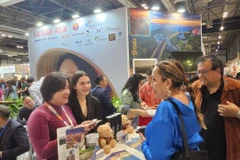
Visitors seek information on Vietnam’s tourist destinations at the 2026 FITUR International Tourism Fair. (Photo published by VNA)

Vietnam shines at FITUR int’l tourism fair in Spain

The main goal of Vietnam’s participation in FITUR is to highlight its growing presence among top global tourism destinations while introducing new offerings and the potential of the country as a travel destination for the Spanish-speaking community.

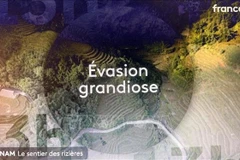
A report on Sa Pa broadcast on France 2 - a channel of France’s national television. (Photo: VNA)

Sa Pa captivates French audiences as a standout Northwest destination

The report portrays Sa Pa as a landscape shaped by generations, highlighting the terraced fields that have been carefully carved and maintained by residents over centuries. A local guide told the programme that some of the oldest terraces in the area are around 250 years old.

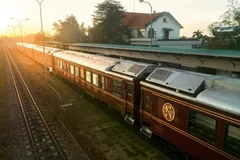
French newspapers Le Figaro and Ouest-France publish features introducing SJourney, a luxury rail tourism service offering a trans-Vietnam travel experience. (Photo: Sjourney

Luxury trans-Vietnam rail journey captures French media attention

The SJourney itinerary is Vietnam’s first luxury rail cruise, jointly operated by PYS Travel and Vietnam Railways. The product is expected to open up a new direction for high-end tourism, built around slow-paced, immersive and emotionally rich travel experiences.

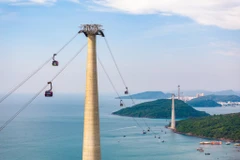
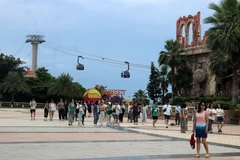
Tourists visit and experience the Hon Thom cable car in Phu Quoc (Photo: VNA)

Phu Quoc tourism heats up in 2026 with near-full bookings

Savouring Tet on Phu Quoc allows visitors to dive into the island's pristine natural assets, from stunning beaches and untouched primary forests to nearby islets, all wrapped in an effortlessly festive, sun-kissed holiday vibe.