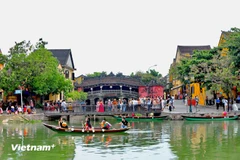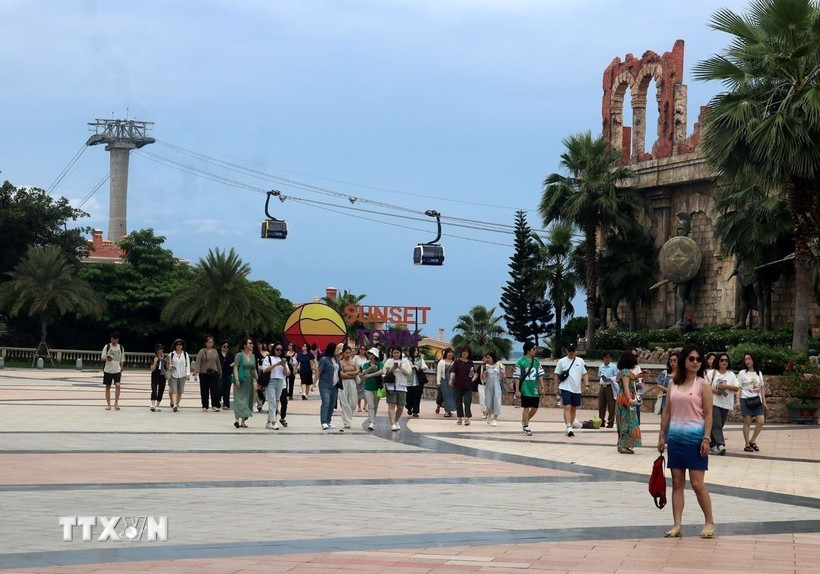
An Giang (VNA) – After merging with Kien Giang province, the newly expanded An Giang, home to the legendary “Land of Seven Mountains,” along with stunning seas and untouched islands, has emerged as a top destination on both Vietnam’s and the world’s tourism map.
From sacred peaks to coastal waters
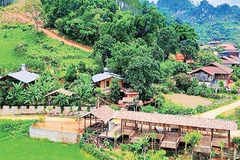
The restructured Mekong Delta province now spans nearly 10,000 sq.km, weaving together fertile plains, rugged mountainous terrain and borderlands, vast marine and island assets, serene rivers, and a dense network of canals. This rich, varied topography creates ideal conditions for a wide spectrum of tourism products, setting An Giang distinctly apart from its regional peers.
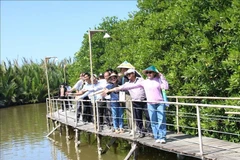
Its key attractions command admiration both at home and abroad. Phu Quoc reigns as a high-end hub for premium services, eco-tourism, and island leisure. The Ha Tien–Kien Luong–Kien Hai cluster delivers a blend of cultural, historical, and marine-ecological experiences. Spiritual seekers are drawn to the Vinh Te–Cam mountain enclave, anchored by the revered Ba Chua Xu Shrine and Cam Mountain. Nature lovers converge on biodiversity sanctuaries like U Minh Thuong National Park, Phu Quoc National Park, and Tra Su cajuput forest. Down in the lowlands, the poetic Ta Pa rice terraces, the annual flood season spectacle, and floating orchard tours along waterways continue to enchant.
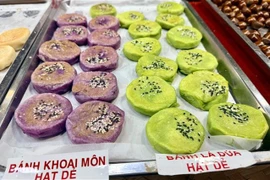
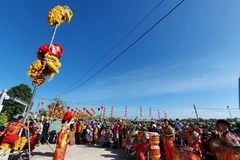
Cultural exchange among the Kinh, Hoa, Khmer and Cham communities has shaped An Giang’s rich, harmonious and distinctive identity, evident in festivals, architecture, cuisine, beliefs and the pulse of daily community life.
According to the provincial Department of Tourism, the province welcomed more than 80.8 million visitors from 2021-2025, including nearly 3.5 million foreigners, generating over 142.8 trillion VND (5.49 billion USD) in revenue. In 2025 alone, revenue approached 68 trillion VND, up 92% annually and surpassing targets by 72.9%. Visitor numbers soared past 24.1 million, up 27.3% and 14.7% above plan. Most impressively, foreign arrivals rebounded strongly to over 1.9 million, up 90.3% year on year and 55.7% above plan.
An Giang also stands among Vietnam’s tourism investment elite, with 317 projects valued at over 402.18 trillion VND.
Phu Quoc – “tourism capital”
Over four decades of Doi Moi (renewal), Phu Quoc has evolved from a remote island outpost into a flagship tourism destination and a globally competitive hotspot.
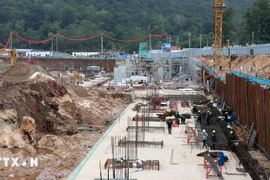
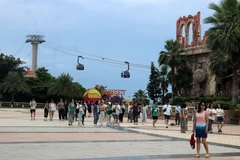
On March 14, 2025, Phu Quoc achieved a historic milestone with the designation as a first-tier urban area under the former Kien Giang province. Direct international flights via Phu Quoc International Airport, combined with upgraded seaports, road and ferry networks, and grid connectivity, have propelled its ascent. Major developers Vingroup and Sun Group have poured capital into ultra-luxury resorts, theme parks, and integrated entertainment complexes, turning Phu Quoc into a modern “paradise of leisure”.
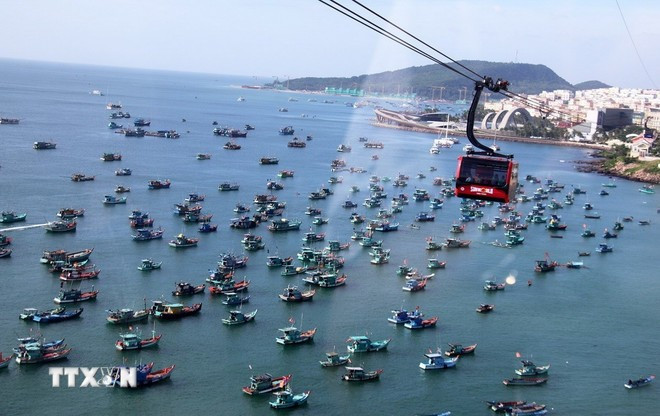
Phu Quoc’s appointment to host APEC 2027 underscores its rising international stature, while repeated appearances on the world’s most influential travel editors’ “Top Asian Destinations” lists only confirm its allure. Iconic stretches such as Bai Sao and Bai Dai regularly grace rankings of the planet’s most breathtaking beaches.
A strong national and international brand
Looking ahead to 2030, An Giang has set its sights high: 39.5 million annual visitors, including over 3 million foreigners, and a revenue of 108.45 trillion VND. The province aspires to serve as a key gateway in Vietnam’s burgeoning “visitor economy” while building a sustainable brand within ASEAN.
Local authorities outlined a clear roadmap to bring tourism standards to the very pinnacle of global sophistication, establishing An Giang as a world-class island escape and a regional hub for green tourism. Priorities include smart infrastructure upgrade, optimal use of spiritual, ecological, and ethnic cultural assets, and robust modern connectivity.
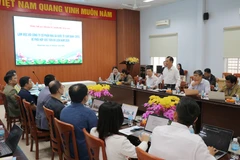
Director of the provincial Department of Tourism Bui Quoc Thanh highlighted measures to clear bottlenecks in infrastructure, product development, marketing and international partnerships.
Among the proposed actions are extending visa exemptions for high-value, long-stay source markets, prolonging Phu Quoc’s visa-free stay for foreigners from 30 to 180 days, fast-tracking intermodal transport links among airports, ports, and key sites, and embracing digital tools for demand forecasting and bespoke visitor journeys. Other proposals include creating themed products in marine-island, cultural-historical, and ecological segments to sharpen the competitive edge against regional rivals like Phuket and Bali, and intensifying workforce training to ensure the province meets and exceeds the exacting demands of true global integration./.