HCM City (VNA) – Despite global market turbulence and some delays in domestic reforms, European businesses continue to express strong confidence in Vietnam’s long-term economic prospects, according to the latest Business Confidence Index (BCI) report released by the European Chamber of Commerce in Vietnam (EuroCham) on June 30.
The BCI for the second quarter of 2025 recorded a slight dip to 61.1, reflecting heightened global uncertainty. However, the overall sentiment remains one of cautious optimism, with Vietnam still viewed as a resilient and promising investment destination.
This quarter BCI results showed a shift in Vietnam’s trade and investment environment. From rising tariffs and administrative burdens to the growing traction of the EU-Vietnam Free Trade Agreement (EVFTA), the data underscores the evolving opportunities and persistent challenges as well as shaping the strategy of European investors in Vietnam. Specifically, 72% of surveyed enterprises said they would recommend Vietnam as an investment destination with long-term potential.
As international trade tensions mount and supply chains remain under pressure, European businesses in Vietnam are showing remarkable resilience. Among the key factors influencing sentiment is the unresolved impact of the US's tariffs. Following the third round of Vietnam – US trade negotiations in June with no definitive outcomes, uncertainty over tariff adjustments continues to weigh on strategic planning, particularly for companies managing cross-border supply chains. Open-ended responses from this BCI survey repeatedly flagged these evolving cards as a concern – not yet a crisis, but a watchpoint.
Thue Quist Thomasen, CEO of Decision Lab, EuroCham’s BCI survey partner, noted that the recent decline in the percentage of firms expressing confidence in Vietnam’s Q3/2025 economic stability - from 58% to 50% - does not indicate rising pessimism. This shift reflects a more cautious stance in the face of a volatile international environment, not a downturn in confidence, he said.
In fact, only 11% of respondents foresee a negative outlook in the coming months, while 39% remain neutral and 43% still rate their business prospects as “Good” or “Excellent.” This suggests that most companies are adopting a prudent “wait-and-see” approach rather than anticipating a downturn.
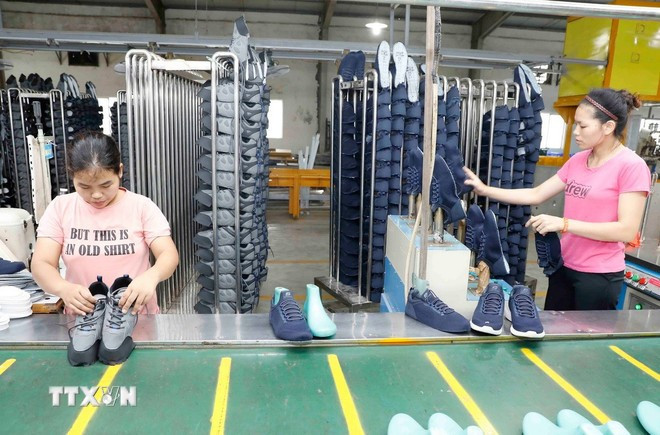
Despite global headwinds, European companies in Vietnam report limited direct financial impact. Just 15% of businesses said they had experienced net negative outcomes such as penalties, canceled orders, or price renegotiations. Meanwhile, 70% reported no significant disruptions, and 5% even noted net gains.
“As geopolitical shifts continue to redraw global supply chains, having a clear and verifiable origin story for products is becoming a key competitive advantage,” said EuroCham Chairman Bruno Jaspaert.
Since May 5, the Ministry of Industry and Trade (MoIT) has taken over the Certificate of Origin (C/O) issuance process with plans to roll out a fully digital system nationwide. This move is widely welcomed by the business community as it is expected to reduce paperwork, improve turnaround times, and integrate more seamlessly with digital customs systems and electronic signatures.
“This push toward digitalisation is not just about reducing paperwork – it’s about positioning Vietnam as a trusted, future-ready trade partner,” Jaspaert said. He added that strengthening Vietnam’s domestic value chain and increasing the share of authentically ‘Made in Vietnam’ products would offer a major advantage in global markets.
The C/O not only ensures access to preferential tariffs under agreements like the EVFTA but also enhances trust in the origin and quality of Vietnamese exports. According to the BCI survey, 56% of European firms operating in Vietnam submit C/O documentation regularly on a monthly basis./.