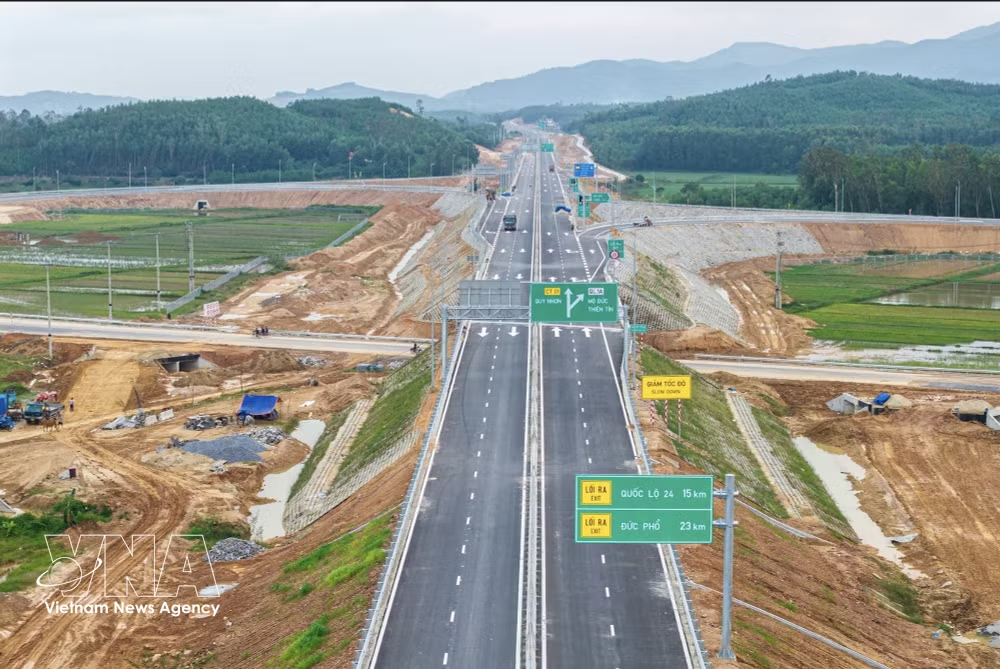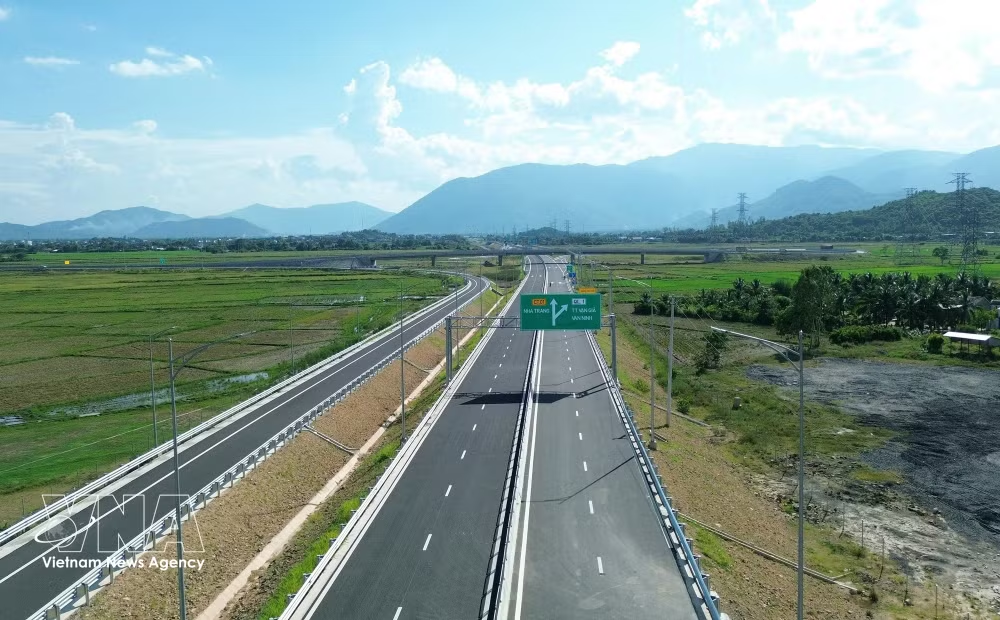
Hanoi (VNA) - Each newly built expressway has contributed to a modern road infrastructure network, forming strategic development corridors and spreading growth momentum nationwide.
Following the milestone of more than 3,000km of expressways completed and put into operation in 2025, the transport sector is entering a new acceleration phase, aiming to reach 5,000km of expressways by 2030.
The rapid development of transport infrastructure under the guiding principle of “going one step ahead” has shown that the completion of 3,000km of expressways has gradually transformed the country’s landscape, narrowing regional disparities. People’s travel needs, trade activities, and connectivity have been met more quickly and safely.
To realise the 10-year socio-economic development strategy (2021-2030), 5,000km of expressways will be invested in and constructed over the next five years through breakthrough mechanisms and policies, attracting substantial capital flows into transport infrastructure and fostering the strong growth and maturity of construction enterprises and contractors.
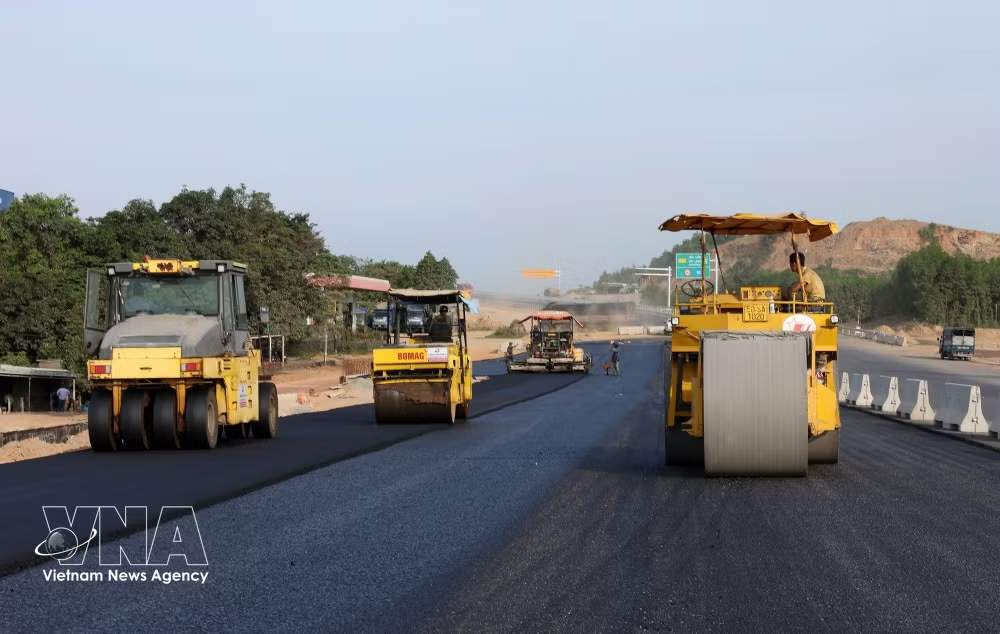
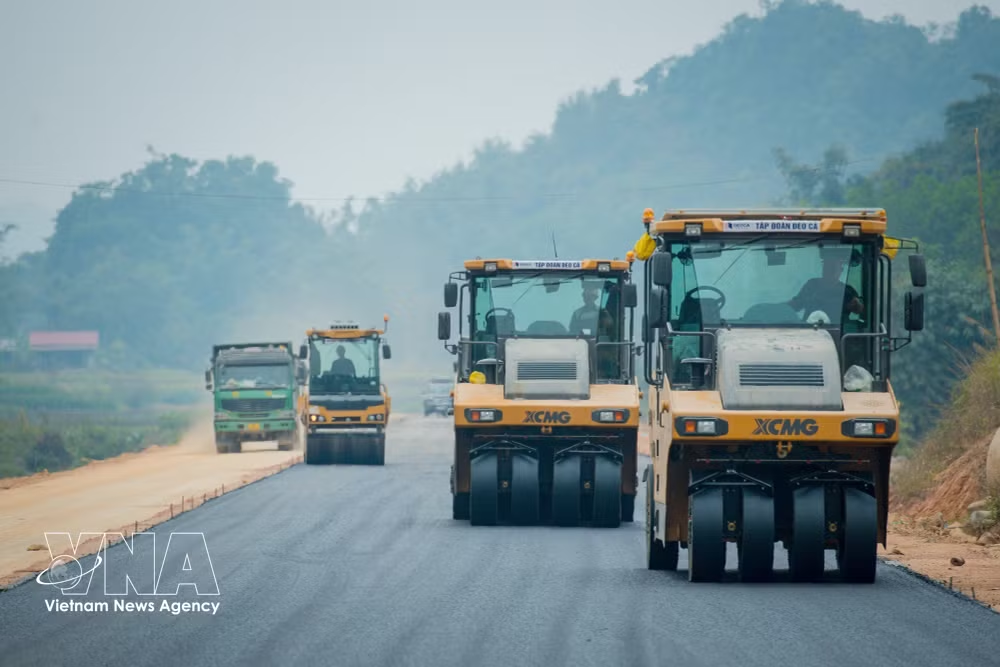
Contractors mobilise machinery and workforce to lay asphalt concrete on an expressway project. (Photo: Vietnamplus)
Expressway infrastructure outlook in the next five years
According to a report by the Ministry of Construction, from 2004 to 2020, the country completed only 1,163km of expressways. However, in just the past five years (2021-2025), thanks to the attention of the Party and the National Assembly, the decisive direction of the Government and the Prime Minister, the efforts of ministries, sectors and localities, and public support, a total of 1,313km of expressways have been completed and put into operation -nearly equal to the total built over the previous two decades combined.
This marks the fastest development pace in the history of Vietnam’s transport sector, contributing to the completion of a synchronised, modern and well-connected national expressway network.
Meanwhile, the Road Network Master Plan for 2021–2030, with a vision to 2050, has been approved by the Prime Minister, setting out the development of 41 expressways with a total length of around 9,000km. The network is designed to connect the country’s political and economic centres, key growth regions, and international gateways.
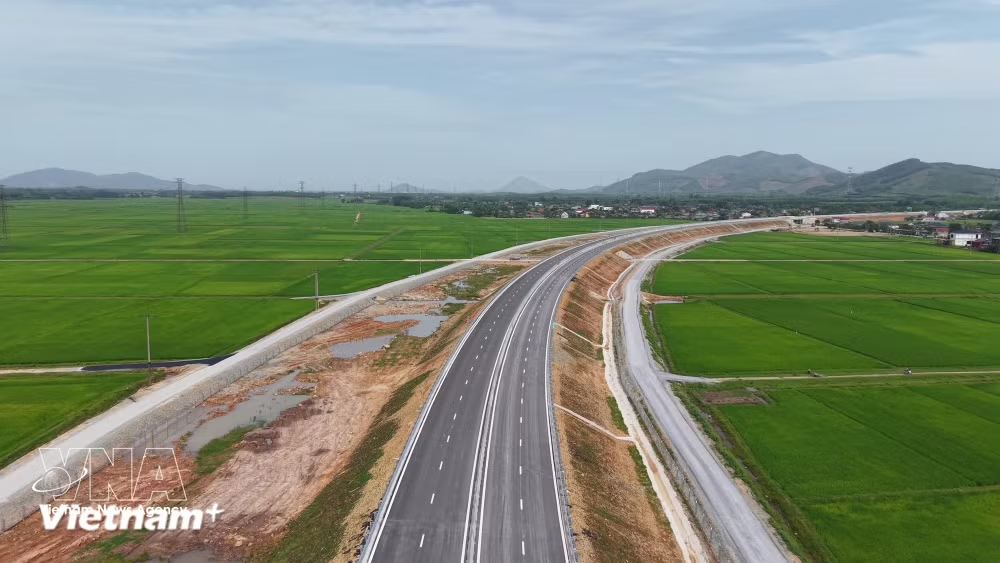
“With the 3,000km target achieved by 2025, and more than 2,000km currently under construction or in preparation for investment, the goal of reaching 5,000km of expressways by 2030 is feasible.
This will create a relatively synchronised and modern road infrastructure network, forming a backbone system that connects the North–South axis, key East–West corridors, seaports, international border gates, and major airports, thereby providing strong support and a solid foundation for the objective set out in the 2021–2030 socio-economic development strategy - for Vietnam to become a developing country with modern industry and upper-middle income by 2030.

Tunnel No. 1 on Quang Ngai-Hoai Nhon expressway has been completed. (Photo: Vietnamplus)
Launchpad for realising 5,000km expressway target
The continued development of synchronised and modern infrastructure has been identified as a foundation for expanding development space, creating spillover momentum, and enabling the country to confidently enter a phase of rapid and sustainable growth in the coming years.
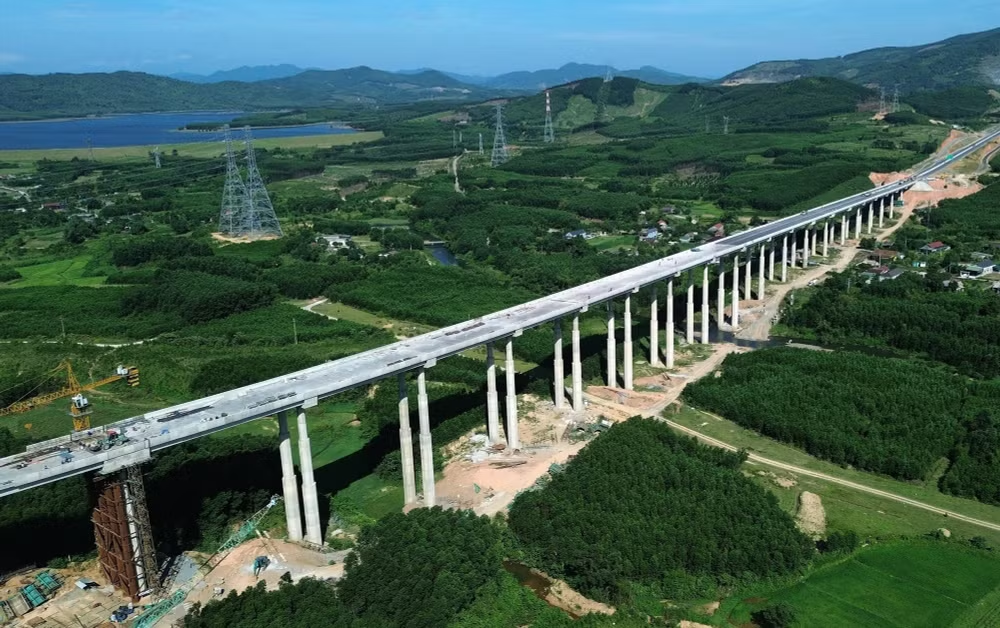
Emphasising that progress requires more than just innovative thinking, Le Quoc Dung, Director of Project Management Unit 7 under the Ministry of Construction, said that achieving outstanding implementation speed in transport projects depends on multiple factors.
First, capable and experienced contractors must be selected. Construction drawings should be approved in line with project timelines, rather than waiting for absolute perfection. Designs and cost estimates need to be cleared promptly so contractors can proceed without delay.
Construction work must be organised in a scientific and efficient manner, completing each stage thoroughly instead of leaving tasks to the final phase. Acceptance and payment procedures should be flexible, not rigid, to ensure funds reach contractors as quickly as possible.
Above all, both investors and contractors must have the competence and confidence to make timely decisions when facing difficult situations.
Breakthroughs in mobilising investment resources
According to Nguyen The Minh, Deputy Director General of the Construction Economics and Investment Management Department (Ministry of Construction), in the upcoming 5,000km plan, prioritising investment resources for projects with strong regional connectivity and growth-driving roles is essential.
Once these expressways are completed, the national expressway network will reach 5,000km, ensuring seamless connectivity from North to South, from mountainous areas to plains and coastal regions, forming strategic development corridors and spreading growth momentum nationwide./.