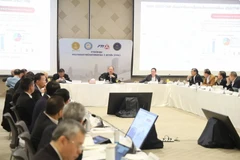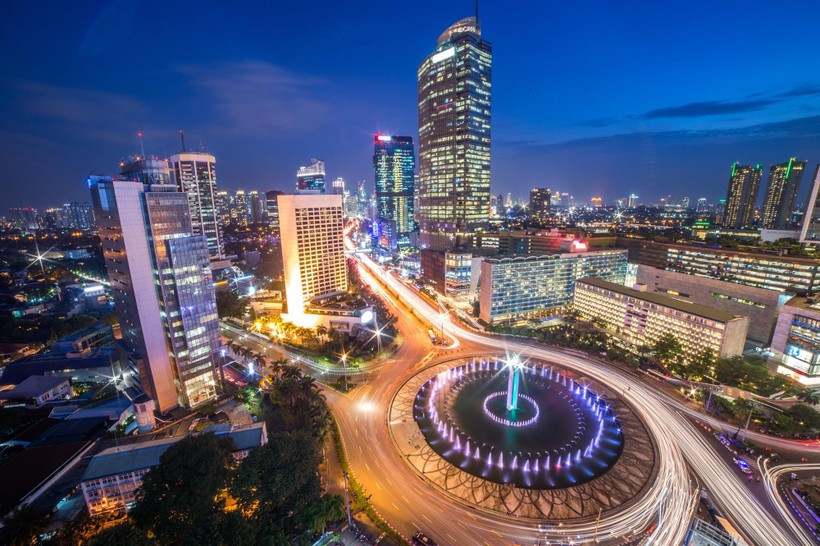
Jakarta (VNA) - The Indonesian Ministry of Foreign Affairs on February 10 officially announced the agenda for its presidency of the Developing-8 (D-8), focusing on five core priorities to strengthen intra-group cooperation and reform the organisational structure ahead of the upcoming D-8 Summit, scheduled for April in the country.
The ministry's spokesperson Vahd Nabyl A. Mulachela explained that four of the priorities focus on economic cooperation, while the fifth addresses institutional restructuring.
He said the country wants to increase this potential through D-8 cooperation and pointed first to trade as a key driver, given the demographic strength of the bloc’s members.
The second priority involves expanding the Halal economy, reflecting the predominantly Muslim populations of D-8 countries.
The third emphases the blue and green economy, with Indonesia seeking to highlight opportunities in maritime and food security collaboration.
The fourth priority covers connectivity and the digital economy, including support for small and medium enterprises and people-to-people exchanges.
Nabyl noted that these initiatives will be reinforced by organisational reforms, including adjustments to governance, decision-making, and budgeting, to ensure cooperation delivers tangible results.
Indonesia will host the D-8 Summit in Jakarta next April under the theme “Navigating Global Shifts: Strengthening Equality, Solidarity and Cooperation for Shared Prosperity.”
The agenda underscores adaptation to global economic dynamics, inclusiveness, and resilience.
Formed in 1997, the D-8 brings together Indonesia, Bangladesh, Egypt, Iran, Malaysia, Nigeria, Pakistan, and Turkey, with Azerbaijan set to join as the ninth member in 2025./.
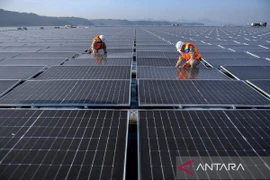
Indonesia disburses 3.5 billion USD from international funds for green economy projects
According to the minister, total green financing commitments for JETP programmes in Indonesia currently amount to 21.4 billion USD, while initiatives under AZEC contribute around 500 million USD.