Bangkok (VNA) – Thailand’s Department of Royal Rainmaking and Agricultural Aviation (DRRAA) has launched emergency flights to disperse PM2.5 particles as air quality in many parts of the country, including Bangkok, has reached hazardous levels.
The operation involves aircraft from multiple air bases using cloud-seeding and dry ice techniques to break up and disperse fine dust.
According to DRRAA Director-General Rachen Silparaya, fine particulate matter levels on January 14 exceeded the national safety threshold of 37.5 µg/m³, prompting urgent intervention.
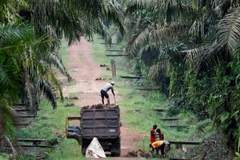
Air quality sensors in several areas flashed orange and red, indicating pollution levels ranging from “unhealthy” to “hazardous” for the general public. Authorities attributed the severe pollution to stagnant weather conditions that trap pollutants, combined with increased agricultural burning both inside and outside Thailand.
To mitigate the situation, the DRRAA has increased flight frequency across key air bases. Four aircraft from the Hua Hin base were deployed to Ratchaburi and Samut Songkhram on January 14, using dry ice seeding at altitudes above 2,000 metres to disperse dust. From the East, the Rayong base mobilised three aircraft to create artificial rain aimed at absorbing pollutants between Prachin Buri and Nakhon Ratchasima provinces. In the Northeast, similar operations were scheduled to begin in Khon Kaen on January 15.
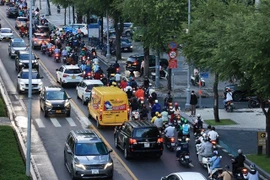
Meanwhile, Bangkok continues to experience severe air pollution, with air quality in many districts deteriorating further. The Bangkok Air Quality Information Centre reported that PM2.5 levels in the capital reached their highest point of the year as of January 14, posing risks to public health.
PM2.5 concentrations were particularly high in northern, eastern and central districts of Bangkok, including Bang Rak (86.9 µg/m³), Pathum Wan (83.4 µg/m³), Sathorn (78.5 µg/m³) and Chatuchak (74.1 µg/m³).
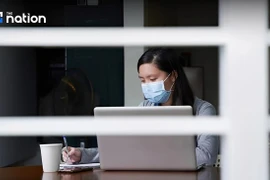
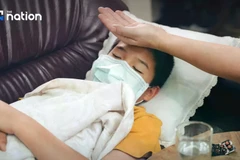
Thai authorities have urged the public, especially high-risk groups such as children, the elderly and people with respiratory illnesses, to limit outdoor activities and avoid strenuous exercise. Residents are advised to wear high-filtration PM2.5 masks when going outside and to remain alert for symptoms such as coughing or difficulty breathing./.