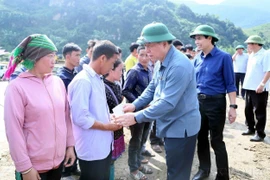
Hanoi (VNA) - Vietnam’s Ministry of Agriculture and Environment (MAE) has highlighted the integration of three national target programmes as a strategic step to maximise their impact for citizens, particularly those in poor and disadvantaged areas.
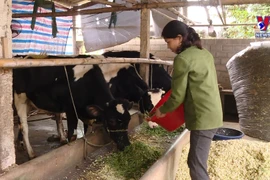
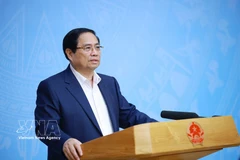
MAE Deputy Minister Vo Van Hung said merging the three programmes, namely new-style rural development, sustainable poverty reduction, and socio-economic development in ethnic and mountainous areas, is a logical move to harness combined strengths. The goal is to support the population, particularly the most vulnerable.
Following the merger, the MAE, in collaboration with the Ministry of Ethnic Affairs and Religion, will implement the programme on behalf of the government.
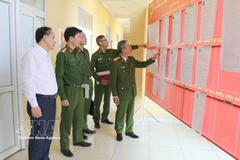
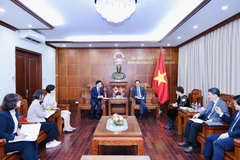
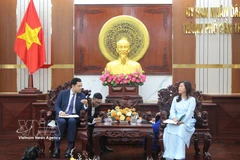
On October 21, Deputy Minister Vo Van Hung and Deputy Minister of Ethnic Affairs and Religion Y Vinh Tor of the Ministry of Ethnic Affairs and Religion chaired a meeting on the integration process.
The ethnic minority and mountainous areas programme for 2021–2030 was approved by the National Assembly under Resolution 120/2020/QH14, while the new-style rural development and sustainable poverty reduction programmes for 2021–2025 were approved under Resolutions 25/2021/QH15 and 24/2021/QH15, respectively.
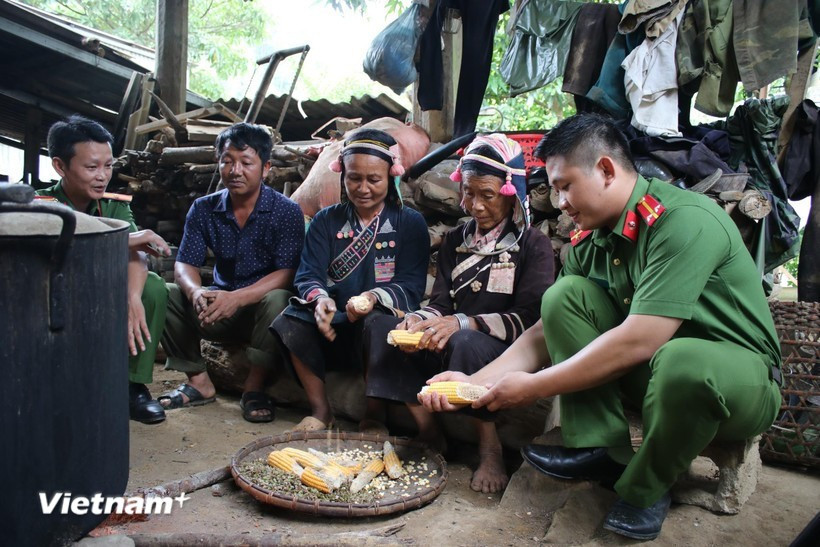
Hung emphasised that ethnic minority and mountainous communities form part of the broader rural population. The socio-economic development programme for these areas has historically played a vital role in poverty reduction and laying the foundation for new rural development. He described the integration as a “reasonable step” to exploit the combined potential of the national target programmes.
However, Hung stressed the importance of carefully evaluating resource overlaps and clearly defining the specific components of each programme to avoid omissions or gaps that could disadvantage the population. He added that the consistent principle of the merger is to concentrate investment on people, especially the poor, while ensuring efficient allocation of funds and avoiding duplication of efforts.
Y Vinh Tor noted that each programme has unique characteristics. The new-style rural development and sustainable poverty reduction have distinct objectives and mechanisms, whereas socio-economic development in ethnic minority and mountainous areas focuses on the poorest regions with the lowest economic and human resources.
He stressed that the merger must preserve these distinctions while addressing fundamental challenges in the most disadvantaged areas, ensuring all policies contribute to a shared goal of improving citizens’ lives.
Report to NA at its 10th session
On October 17, the Government Office issued the conclusions of Permanent Deputy Prime Minister Nguyen Hoa Binh on the integration of the three programmes. He emphasised that the merger should maintain objectives, tasks, and target areas while carefully reviewing beneficiaries and policies to avoid overlap.
The merged programme will include separate components, ensuring clarity in policies, target areas, and beneficiaries, without duplication. Responsibilities, decentralisation, and resource allocation to local authorities will follow the principle of “local decision-making, local implementation, local accountability”. The government will manage overall coordination, issue guidance, and supervise implementation.
The implementation period of the merged national target programme has been extended to 2035.
Binh instructed the MAE, in coordination with the Ministries of Ethnic Affairs and Religion, Finance, and other relevant agencies, to draft a government report proposing investment in the merged programme, ensuring timely submission to the NA at its 10th session.
The Ministry of Ethnic Affairs and Religion is tasked with providing comprehensive data on the socio-economic development programme for ethnic minority and mountainous areas and collaborating with the MAE to finalise the draft report.
The Ministry of Finance, as the standing agency for the appraisal council, will complete the assessment of the merged programme in accordance with regulations.
The NA’s Committee on Ethnic Affairs and other parliamentary committees will assist the government agencies in finalising and scrutinising the submission for approval./.