Hanoi (VNA) – Malaysia is encouraging micro, small and medium-sized enterprises (MSMEs) to voluntarily adopt e-invoicing as part of efforts to accelerate digital transformation and improve business resilience.
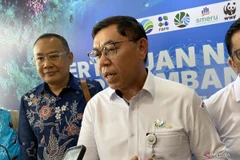
According to Dr Rasyidah Che Rosli, director of the Tax Operations Sector, e-Invoicing Division under the Inland Revenue Board of Malaysia (IRB), the implementation of e-Invoicing completes the transition of business document management from manual methods to digital, which adds value to businesses.
She said e-Invoicing replaces traditional practices that rely on physical record-keeping such as receipts, manual logbooks and invoice files, which are exposed to risks such as loss, damage, incorrect recording and the need for storage space.
Paper-based business records are also vulnerable to external factors such as floods, fires and theft, which can disrupt business continuity and long-term sustainability. With e-invoicing, all transaction information is stored digitally and can be accessed at any time, improving transparency and reliability.
The system helps address common challenges faced by MSMEs, including inconsistent records, disorganised data, calculation errors and difficulties in preparing financial reports. Digitalised transaction data also allows businesses to better track cash flow and support more informed decision-making.
Addressing concerns among small traders over costs and technological barriers, Dr Rasyidah said Malaysia has introduced a free e-invoicing platform to ensure that MSMEs do not face additional financial burdens.
She noted that even without e-Invoicing, traders would still need a digital system to manage their businesses. This approach was therefore adopted to avoid placing an additional cost burden on small enterprises. In terms of digital adoption, she said the IRB understands that small traders need time to adapt, and (it is) therefore providing direct support, including hands-on assistance by IRB officers to help with the activation and implementation of My e-Invois.
The Malaysian government has also granted flexibility in the e-Invoicing implementation period for small traders, extending it from six months to 12 months, taking into account their capacity and readiness./.