Kuala Lumpur (VNA) – The Malaysian Ministry of Communications has been taking drastic measures to fight increasingly online scams and bullying, given that they not only cause financial losses but also affect the mental wellbeing of society, including teenagers.
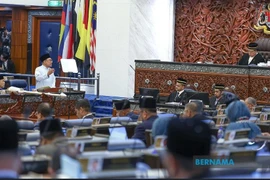
Speaking on October 14, Malaysian Minister of Communications Fahmi Fadzil said that the ministry’s Malaysian Communications and Multimedia Commission (MCMC) has enforced licensing requirements for internet messaging and social media service providers that meet the criteria to apply for the Application Service Provider (Class) License under the Communications and Multimedia Act 1998 (Act 588), starting January this year.
This step ensures all service providers bear responsibility in managing their operations in Malaysia, including tackling harmful content like scams and bullying, he said.
In addition, the MCMC has also introduced the Code of Practice for Internet Messaging and Social Media Service Providers on December 20 last year, which outlines providers’ responsibilities in protecting users from harmful online content.
To bolster Malaysia’s digital safety framework, Fahmi said the Online Safety Act 2025 (Act 866) was also issued to regulate harmful online content and establish clear obligations for app providers, content providers, and network service providers.
The MCMC is currently developing subsidiary instruments under Act 866, with a focus on online risk management and other related issues, the minister said.
He added that as part of its digital safety efforts, the ministry has also expanded the Safe Internet Campaign, which promotes awareness of cyber scams and bullying. As of September 30, the campaign had reached 3,825 educational institutions, involving 218,000 participants, and carried out 337 public outreach programmes attended by 222,000 people nationwide.
From January 1 to September 30, the MCMC submitted nearly 140,000 requests to service providers to take down scam-related content, with 95% or 133,348 content items successfully removed. During the same period, 50,160 requests were made to remove cyberbullying content, with 77% or 38,470 pieces of content successfully taken down.
These takedown actions are based on public complaints and each platform’s community guidelines, in line with local laws, the minister said./.