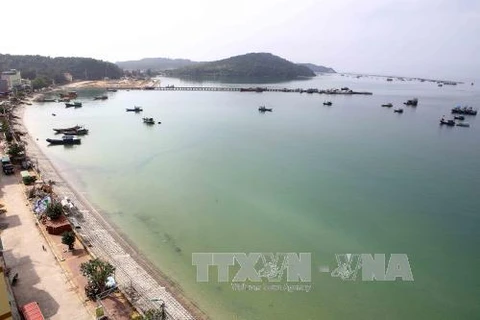
Co To island in Quang Ninh (Photo: VNA)
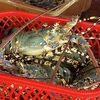
 In addition to 4,000 ha of natural land, Co To island district owns a large fishing ground of 300 square kilometres together with more than 50 islands. It is home to thousands of high economic value marine species such as lobster and abalone as well as nearly 1,000 species of fish.
The island district also boasts great tourism potential with beautiful beaches such as Van Chay, Hong Van and Bac Van.
Local authorities have taken measures to tap maritime economic potential, including assisting fishermen in using new farming techniques and building new boats as well as calling for investment in high quality aquatic production.
The district has focused on seafood exploitation and processing, marine services and tourism, creating breakthroughs in economic growth and economic structure transfer.
In addition, it has harmonized production, processing and consumption to ensure environmental protection and sustainable development.
Investment has been poured into infrastructure such as upgrading and expanding water reservoirs and establishing the Gulf of Tonkin Fishery Logistics Centre.
As a result, in the 2010-2015 period, the archipelago’s aquatic output hit over 50,200 tonnes with a total value of 441 billion VND (nearly 20 million USD).
In recent years, many new sea farming models have been applied, typically tidal-fed aquaculture, which increased income of local households.
The district set up two fisheries unions with more than 200 members and 38 seafood processing establishments with a total production of 850 tonnes per year.
It also strived to boost its sea-island tourism, turning Co To islands into an attractive destination. In 2014, the total number of visitors to the islands hit 100,000, 20 times above the figure in 2010, while tourism revenue reached about 100 billion VND. In 2015, the locality welcomed 170,000 tourists, up 70 percent against 2014.
Thanks to sea-based economic development, Co To has seen remarkable changes in socio-economic development, with improving locals’ lives. Between 2010 and 2015, the district’s economy grew 13.35 percent per year and its budget collection reached 59.2 billion VND. Gross domestic product (GDP) per capita hit 35 million VND per year.
The rate of households accessing the national power grid reached 98.3 percent while the rate of those using clean water was 73 percent.
Co To was also the first island district in the country recognised as a new-style rural area. It wasthe 17th district in Vietnam to achievethe title.
From now to 2020, Co To has set a number of goals to continue tapping its maritime economic potential. It aims to maintain aquatic production at 8,000 – 10,000 tonnes per year. The added value of the fishery sector is targeted to hit160-170 billion VND by 2020, making up over 30 percent of total GDP, while the average growth of the sector is expected to reach 12-13 percent per year.
The locality has been calling for investment in building several aquatic processing establishments as well as developing local brands such as squids and sea cucumbers.
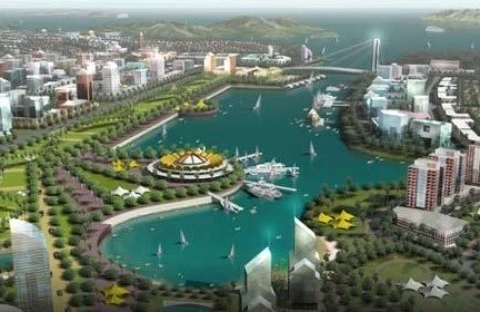
According to the island district’s master plan on tourism development by 2020 with a vision to 2030, Co To strives to become a high quality eco-marine tourism centre and an internationally-standardised recreational hub in the next four years.
The rate of households accessing the national power grid reached 98.3 percent while the rate of those using clean water was 73 percent.
Co To was also the first island district in the country recognised as a new-style rural area. It wasthe 17th district in Vietnam to achievethe title.
From now to 2020, Co To has set a number of goals to continue tapping its maritime economic potential. It aims to maintain aquatic production at 8,000 – 10,000 tonnes per year. The added value of the fishery sector is targeted to hit160-170 billion VND by 2020, making up over 30 percent of total GDP, while the average growth of the sector is expected to reach 12-13 percent per year.
The locality has been calling for investment in building several aquatic processing establishments as well as developing local brands such as squids and sea cucumbers.
According to the island district’s master plan on tourism development by 2020 with a vision to 2030, Co To strives to become a high quality eco-marine tourism centre and an internationally-standardised recreational hub in the next four years.
It plans to receive 150,000 tourists, including 17,600 foreigners, earn 605.6 billion VND in revenue and generate 2,900 jobs in 2020. It expects to lure 220,000 tourists in 2030, including 50,000 foreigners, with total revenue of 1.7 trillion VND and generate 3,400 jobs.-VNA
VNA