Hanoi (VNA) - The National Assembly (NA) freshly passed a resolution approving investment policy for the national target programme on cultural development for the 2025-2035 period, which is expected to create a push for the preservation and promotion of cultural values.
Accordingly, between 2025 and 2030, at least 122.25 trillion VND (4.8 billion USD) will be spent on cultural development. Of the amount, 77 trillion VND will be sourced from the central budget, 30.25 trillion VND from local budgets, and approximately 15 trillion VND from other funding sources.
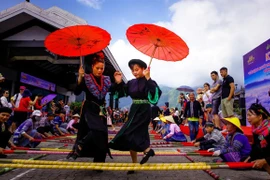
The programme, set to be implemented nationwide, aims to create a comprehensive transformation in cultural development. It will standardise the ethics, identity, and values of Vietnamese individuals and families, and improve the spiritual life and the ability of people to access and enjoy culture. The plan is to also address disparities in cultural enjoyment between regions, social classes, and genders.
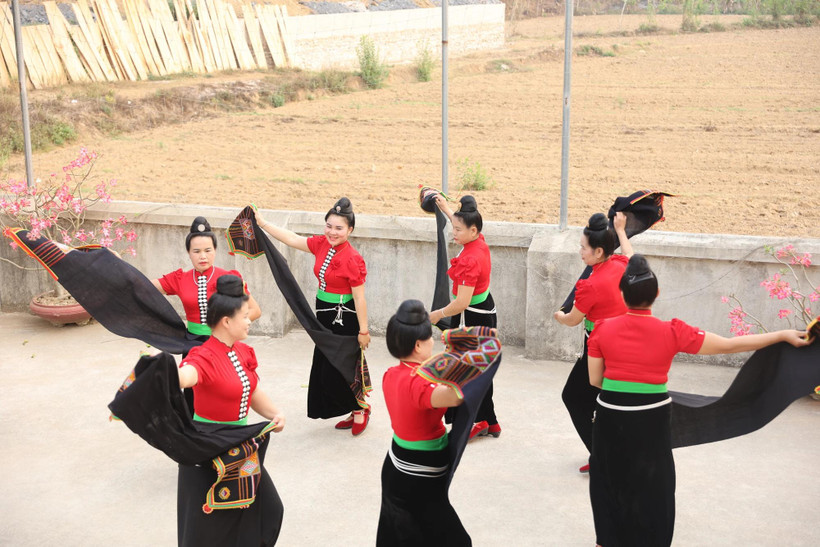
There is value in the nation's unique cultural heritage, which promotes socio-economic development, and enhances the country's position in the international arena through promoting the "soft power” of Vietnamese culture.
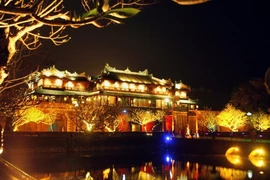
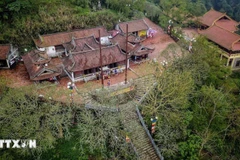
Under the cultural development programme, by 2030, Vietnam aims to restore 95% of special national relics (equivalent to about 127 relics) and 70% of national relics (equivalent to about 2,542 relics). The cultural industry is forecast to contribute 7% to the country's GDP.
By 2035, it is expected that all special national relics, and at least 80% national relics will be restored, while the cultural sector will contribute 8% to the country's GDP.
Associate Professor-Dr. Bui Hoai Son, standing member of the National Assembly’s Committee for Culture and Education, stated that the programme is seen as a comprehensive strategy to address resource constraints and create opportunities for cultural development in the era of integration.
It not only increases funding for culture but also focuses on improving cultural infrastructure, supporting artistic creativity, and developing the cultural industry as a key economic sector, he said.
Vietnamese culture is not only precious heritage of the nation but also a foundation that helps Vietnam move toward a sustainable future, Son affirmed.
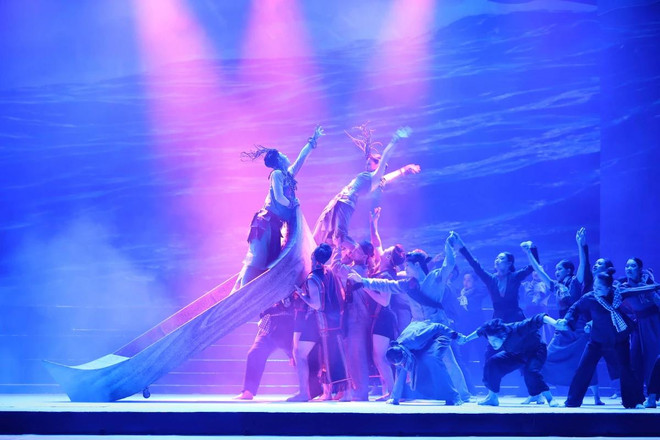
Sharing the same view, Au Thi Mai, a NA deputy from the northern mountainous province of Tuyen Quang, stated that the programme is a truly necessary solution to overcome the resource-related bottlenecks currently facing the cultural sector.
She expressed her hope that it will contribute to achieving one of the six key tasks outlined in the Resolution of the 13th National Party Congress. It is to link economic development with cultural development, promote social progress and equity, and improve the living standards of the people. It should also promote cultural factors as a breakthrough in socio-economic development and international integration.
People's Artist Tran Luc, Director of Dong A Film Studio and LucTeam Theatre, told VietnamPlus that cultural development requires concerted policies, including tax reductions and exemptions, alongside human resources training and support.
With experience drawn while teaching at the Hanoi Academy of Theatre and Cinema, Luc shared that many of his former students have faced significant challenges in pursuing their careers after graduation. He expressed a strong desire for the national target programme to allocate resources to support artists and encourage young people to pursue studies in arts and culture./.