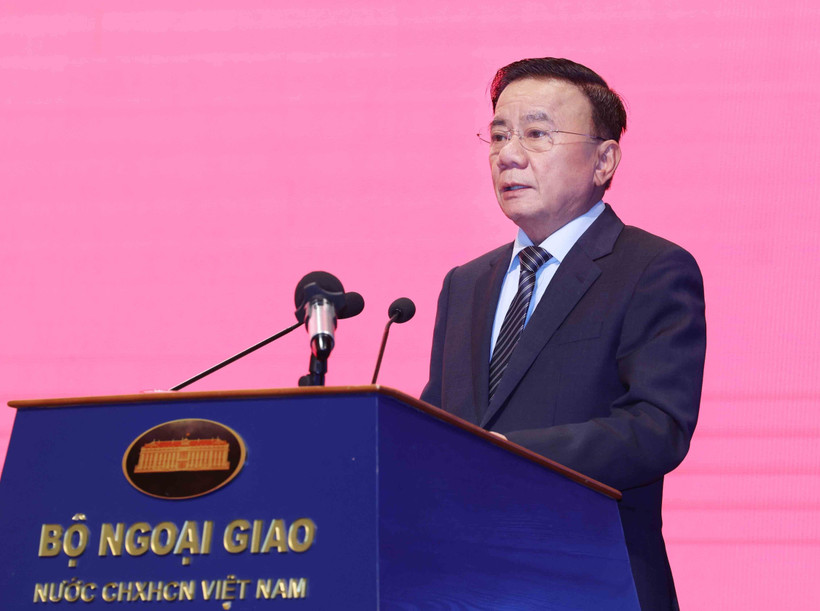
Hanoi (VNA) – People-to-people diplomacy should be regarded as a strategic pillar of comprehensive and modern diplomacy and a key component of the national development and defence strategy, Politburo member and standing member of the Party Central Committee’s Secretariat Tran Cam Tu has stated.
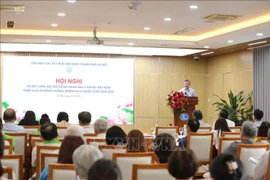
Addressing a conference held in Hanoi on December 30 by the Party Committee of the Ministry of Foreign Affairs to review people-to-people diplomacy in 2025 and outline orientations and tasks for 2026, Tu highlighted the significant achievements and contributions of people-to-people diplomacy throughout the country’s revolutionary process, under the Party’s sound leadership and guided by Ho Chi Minh’s thought on combining national strength with the strength of the times.
He noted the Party’s first formal inclusion of the policy “building a comprehensive, modern and professional diplomacy with three pillars — Party diplomacy, State diplomacy, and people-to-people diplomacy” in the 13th National Party Congress documents represents an important milestone and a new step in Vietnam’s diplomatic mindset.
He commended the Vietnam Fatherland Front (VFF), mass organisations, ministries, agencies, and localities for their achievements in people-to-people diplomacy in 2025 and over the last five years. However, he mentioned key challenges, including gaps in awareness and responsibility, limited engagement from Party committees and leaders at various levels, insufficient participation of people’s organisations in international integration, weaknesses in strategic research and advisory work, uneven inter-agency coordination, underutilisation of collective strengths, and certain limitations within the personnel carrying out people-to-people diplomacy.
He highlighted the crucial role and responsibility of those working in people-to-people diplomacy, calling for deeper understanding, greater determination, stronger innovation, proactive and flexible approaches, and more significant contributions to national and local development, meeting the requirement of a comprehensive and modern diplomacy.
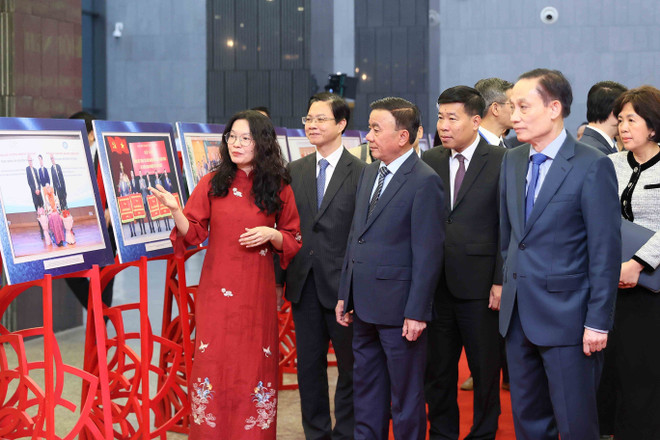
To further enhance the role of people-to-people diplomacy in the new period, Tu called on the entire political system to raise awareness and thoroughly grasp the requirements of this work. He stressed that people-to-people diplomacy must be implemented consistently, proactively, and actively, while expanding new opportunities and spaces for cooperation.
First and foremost, the Party’s leadership and the State’s management of people-to-people diplomacy must be ensured, with a unified understanding across the political system of its position, role, and importance, he said, adding that people-to-people diplomacy is not a supplementary activity but a strategic pillar that helps build a broad social foundation, enhance understanding, strengthen trust, and garner support from people of other countries.
He underlined the need to strengthen the role of the VFF in leading, guiding, and organising people-to-people diplomacy activities; promptly translate the Party’s regulations and the State’s laws into action; and resolve obstacles, simplify administrative procedures, and promote the delegation of authority while enhancing the responsibility of all levels, sectors, localities, and agencies.
Tu asked for stronger international integration, effective mobilisation of external resources to serve sustainable development goals; improving the effectiveness of foreign non-governmental activities; expanding cooperation with potential partners, especially in priority areas such as training human resources, innovation, digital transformation, green growth, and addressing non-traditional security challenges
He also stressed the need to enhance research and forecasting, leverage the expertise of foreign affairs specialists in policy advising, innovate the content and methods of external communications, apply technology, promote the image of Vietnam and its people, and popularise the Party’s and State’s policies, and counter false or hostile viewpoints.
At the same time, attention should be given to investing in financial and human resources, streamlining organisational structures for efficiency, and building a people-to-people diplomacy workforce with strong political integrity, professional skills, ethical standards, foreign language proficiency, and expertise in science, technology, and digital transformation, he said.
He assigned the Ministry of Foreign Affairs, in coordination with other agencies and localities, to assess five years of implementing Directive No.12 of the 13th Party Central Committee’s Secretariat and based on the findings, propose a people-to-people diplomacy strategy through 2045.
Chairing the event, which was held in a hybrid format, connecting over 100 sites across localities and Vietnamese representative agencies abroad, Secretary of the Party Committee of the Ministry of Foreign Affairs and Minister of Foreign Affairs Le Hoai Trung affirmed that developing a people-to-people diplomacy strategy with a vision to 2045 will be a key task in 2026.
The ministry will continue to strengthen regular exchanges and coordination with ministries, localities, mass organisations, and people’s organisations, working closely with relevant agencies to support and facilitate their diplomatic activities in line with the requirements and tasks in the new context, he stated.
The conference agreed that, amid a rapidly changing global and regional context, people-to-people diplomacy has proactively adapted, innovating in both mindset and approach, while continuing to serve as a key pillar of the country’s foreign relations, helping to create a positive social foundation and deepen friendship with peoples of other countries, especially neighbouring and important partner nations.
Delegates’ presentations at the conference also proposed innovative and effective approaches to promote people-to-people diplomacy, making it more practical and impactful while directly serving the country’s strategic priorities .
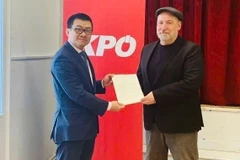
On the occasion, the Party Committee of the Ministry of Foreign Affairs presented 39 certificates of merit to collectives and individuals in recognition of their outstanding achievements in people-to-people diplomacy in 2025./.