Public-private partnerships form sustainable path for Vietnam’s tourism

Tourism is not merely a business activity; it is a socio-economic endeavour that affects communities and the environment.

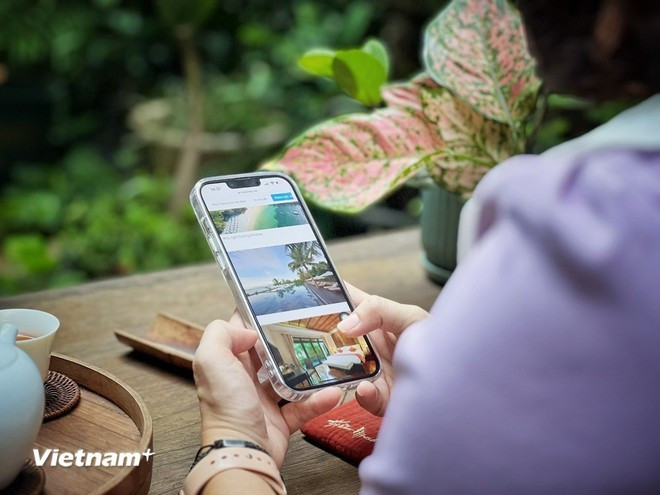
Travellers now enjoy richer experiences with diverse destination options available right at their fingertips via online platforms. (Illustrative photo: VietnamPlus)

Hanoi (VNA) – Public-private partnerships (PPP) in tourism mean harnessing collective resources, boosting destination competitiveness, and promoting sustainable growth through shared benefits and risk management. Such cooperation not only alleviates pressure on the State budget but also encourages community and business engagement, driving innovation and improving service quality.

According to Nguyen Thi Hoa Mai, Deputy Director of the Vietnam National Authority of Tourism (VNAT), recent years have seen a wave of tourism stimulus events, international fairs, and digital media campaigns – all marked by the imprint of PPP collaboration.

“This coordination and mutual support have helped expand markets, increase visitor numbers, and elevate Vietnam’s global profile,” she said. These partnerships play a vital role in strengthening the country’s image worldwide.

Tourism, she explained, is not merely a business activity; it is a socio-economic endeavour that affects communities and the environment. The State’s role is to safeguard public interests, while enterprises contribute creativity and economic efficiency.

“With PPP, the companionship between businesses and local authorities has given new momentum to destinations and enhanced the overall competitiveness of Vietnam’s tourism sector,” Mai emphasised.

Beyond the Government’s strategic direction, tourism development requires collective efforts from local communities, authorities, and especially travel agencies, accommodation providers, and distribution agents. Mai highlighted that the PPP model is now being robustly rolled out across Vietnam.

For example, the central city of Da Nang partnered with Traveloka from 2024 to early 2025, attracting 5.8 million international visitors as a result. Domestic tourism also surged through online promotional campaigns launched on the Traveloka platform. Similarly, Hue city, also in the central region, has joined hands with private enterprises, while Hanoi has cooperated with airlines to promote destinations. Ho Chi Minh City, meanwhile, has leveraged digital technology to issue e-vouchers for tourists.

“Through online platforms, people can now easily find suitable promotional programmes, register directly, and enjoy new travel experiences,” she added.

2.jpg
Nguyen Thi Hoa Mai, Deputy Director of the Vietnam National Authority of Tourism. (Photo: VietnamPlus)

Apart from the major cities, smaller localities are also showing interest in expanding their digital outreach through tourism platforms like Agoda, Traveloka, and Booking.com.

Looking ahead, the tourism authority plans to further strengthen PPP initiatives, creating a collaborative framework that balances the interests of businesses, the State, and the public.

With a national target of welcoming 25 million international arrivals, Hoa revealed that a long-term tourism development strategy is being finalised for submission to the Government and the Prime Minister. In the shorter term, acceleration plans will be rolled out to boost tourism performance during the final quarter of the year.

“Beyond stimulus programmes and international platform partnerships that connect localities and businesses, we are also working on policy reforms to create a more open legal framework and facilitate travel to Vietnam,” Mai noted. “This includes further easing of visa policies and improving service infrastructure.”

She added that the authority will intensify promotion campaigns in key and emerging markets to achieve double-digit growth, returning to pre-pandemic levels. For high-spending and long-stay markets, special promotional initiatives are already in the pipeline.

Mai also mentioned a recent business mission to India, where Vietnamese travel companies engaged in B2B meetings and connected with local authorities to promote tourism through film cooperation, a creative and modern approach to marketing Vietnamese destinations in the years ahead./.


VNA

See more

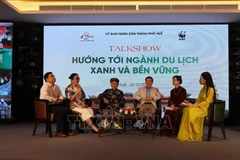
A view of the talkshow within the conference in Hue on December 12 to review and discuss strategic orientations for the 2023-2025 roadmap to reduce plastic waste in the local tourism sector. (Photo: VNA)

Hue accelerates shift toward green, low-plastic tourism models

Over the past three years, Hue tourism authorities have strengthened communication and advocacy for plastic waste reduction through 10 training sessions with 690 participants, “Coffee Talk” events, professional Zalo groups, and direct engagement with businesses. As a result, 102 enterprises and business households have signed commitments to reduce plastics, and 12 hotels have pioneered plastic-reduction practices.

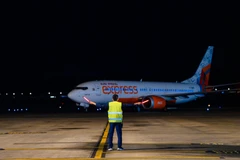
The inaugural flight from New Delhi lands at Phu Quoc International Airport (Photo: Sun Group)

Phu Quoc welcomes new direct flights from India

Phu Quoc International Airport welcomed over 180 Indian travellers on a new direct flight from New Delhi on December 10, marking the start of a month-long flight series that will link the two destinations and bring a fresh wave of visitors to Vietnam’s pristine island.

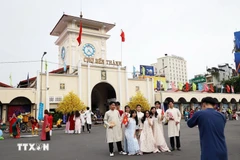
Visitors pose for a photo at Ben Thanh Market in HCM City (Photo: VNA)

HCM City speeds up digital tourism to draw more travellers

Following its goal of building a friendly destination, the Ho Chi Minh City Department of Tourism is rolling out a range of local stimulus programmes, with a focus on bringing the city’s signature attractions closer to domestic and international visitors through digital platforms.

Foreign visitors are touched to receive meaningful gifts from their Vietnamese friends (Photo: VietnamPlus)

Vietnam welcomes more than 19 million international visitors in 11 months

A UN Tourism report highlighted Vietnam’s performance as one of the most notable recoveries worldwide. While tourism across the Asia–Pacific has rebounded to only around 90% of pre-COVID levels, Vietnam is among a select group of destinations, alongside Japan, recording rapid and sustained growth, it said.

Foreign visitors explore Hanoi’s old quarters by cyclo, admiring the city’s timeless beauty. (Photo: VNA)

Vietnam draws French holidaymakers during Christmas, New Year

Patrice Caradec, President of the Syndicate of French Tour-Operators (SETO), said the country has not attracted as many French tourists since COVID-19. As Vietnam reopened later than several Asian destinations, pent-up demand has surged with the full recovery of tourism. The “S-shaped” nation has now returned to pre-pandemic levels of French arrivals.

Tourists enjoy leisure activities around the Hoan Kiem Lake pedestrian zone. (Photo: VNA)

Hanoi posts sharp rise in visitors, revenue

In December, the Hanoi tourism sector will focus on completing a project to reform the management, conservation and promotion of the Huong Son (Perfume Pagoda) Special National Relic Site; continue surveys on community-based, agricultural and night-time tourism offerings; and host the 2025 Hanoi Craft Village and Craft Street Cuisine and Tourism Festival. Preparations are also under way for participation in the National Green Tourism Forum in Lam Dong.

In November alone, the capital city receives 2.5 million visitors, an increase of 14.7% year-on-year (Photo: hanoimoi.vn)

Hanoi attracts nearly 31 million visitors in January-November

The city received 2.5 million visitors in November alone, up 14.7% from the same period in 2024. Of these, foreign tourist arrivals reached 851,100, rising 25%, while domestic tourists totalled 1.65 million, up 10%. Tourism revenue in November was estimated at 11.36 trillion VND, up 18.4%.