Hanoi (VNA) – The issuance of Resolution No. 80-NQ/TW on the development of Vietnamese culture in the new era has generated widespread excitement and high expectations among cultural regulators, artists and writers nationwide.
Coming at a pivotal moment as Vietnam enters a new stage of development and looks ahead to the centenary of the Communist Party of Vietnam and the 100th founding anniversary of the nation, the resolution is widely seen as a strong political commitment to turning culture into a true cornerstone, an important internal resources, a great driver, and a pillar of fast and sustainable national growth.
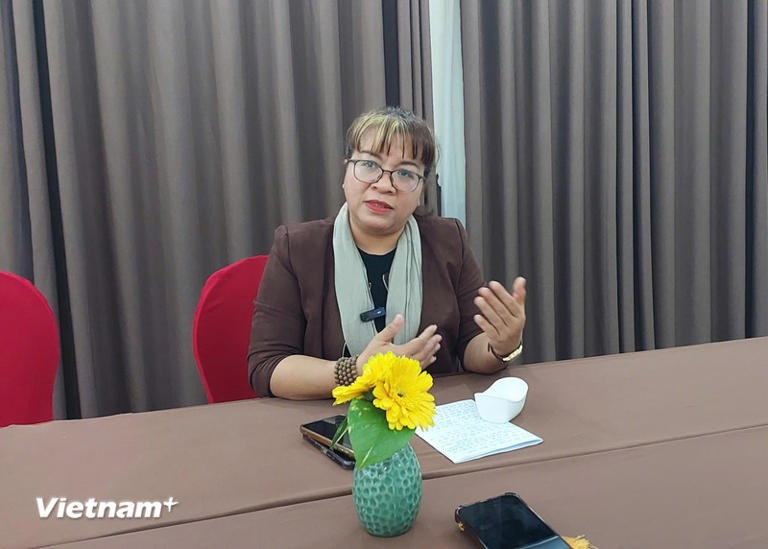
For writer Nie Thanh Mai, Chairwoman of the Dak Lak provincial Association of Literature and Arts and Vice Chairwoman of the Vietnam Association of Ethnic Minority Literature and Arts, Resolution 80 represents more than a policy document.
She said it is a long-awaited “boost” that affirms the role, mission and dignity of those working in literature and the arts.
“The resolution came at a time when artists have been hoping for clearer mechanisms and stronger encouragement,” Mai said. “It brings about a whole chain of conditions and opportunities for writers and artists to bring into full play their role to contribute more effectively to Vietnamese literature and arts.”
She believes the resolution will not only encourage creativity but also lead to an increase in both the number of authors and the quality and depth of artistic works.
By clearly defining culture as a foundational value, an endogenous resource and a major driving force for development, the Politburo has sent a powerful signal that creative work matters in the country’s long-term vision.
Mai pointed out that even before Resolution 80 was issued, Dak Lak province had already implemented programmes to promote culture and cultural industries, including bringing cultural content onto digital platforms. These efforts, she said, had already energised local artists.
With Resolution 80 now in place, she expects broader and more systematic progress, particularly in expanding public access to literature and arts.
“Literature and the arts should not be limited to educated audiences or those who actively seek cultural enjoyment,” she stressed. “Residents in remote and disadvantaged areas should also have the opportunity to access and benefit from cultural values.”
She also highlighted the importance of aesthetic education, arguing that cultural development should go beyond teaching technical skills such as playing musical instruments, to nurturing appreciation, awareness and the ability to enjoy literature and arts.
Resolution 80, she believes, creates the policy foundation for such long-term educational goals.
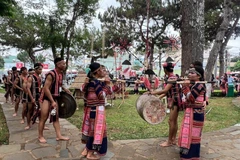
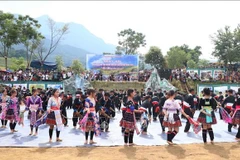
One aspect of the resolution that particularly resonates with the official is its focus on ethnic minority literature and arts. She sees strong potential for development in both depth and breadth in this field if there is sustained investment, careful planning and close coordination between central and local cultural organisations.
Alongside nurturing young talent and encouraging the use of technology and innovation in creative works, she emphasised the need to continue commissioning and supporting veteran artists.
“Only by doing both can we maintain a high-quality artistic tradition with real depth, while also encouraging youthful, contemporary voices,” she said.
In the new era, artists are called upon to go beyond purely personal expression. Creative works, in her view, should be closely aligned with the demands and aspirations of the times.
In Dak Lak, for example, artists have contributed to culture-related exhibitions and displays during all-level Party congresses, reflecting social change, economic development, ethnic unity and the province’s evolving identity.
When artists link their creative mission with broader political tasks, their confidence is strengthened to write about what is beautiful and meaningful, rather than focusing only on individual concerns, Mai noted.
Resolution 80 also sets ambitious targets, including placing Vietnam among the top three in ASEAN in terms of cultural industries and raising the contribution of culture to 9% of GDP by 2045.
Mai described these goals as both inspiring and achievable, noting how countries such as the Republic of Korea and China have successfully promoted their cultures globally through film and literature.
“Vietnamese literature and arts can absolutely do the same,” she said. “We want our art and literature to cross borders, attract visitors and draw people who love culture to our regions.”
Mentioning the 14th National Party Congress, Mai expressed confidence that continued political attention to culture will further motivate the artistic community. With supportive policies already in place, she hopes the next phase will focus on ensuring that valuable works reach the public and generate positive social impact.
“Only then, can Vietnamese literature and arts truly flourish in this new chapter of national development,” she added./.