Hanoi (VNA) – As domestic travel takes centre stage during the Lunar New Year (Tet) 2026, experts have suggested lesser-known ways to experience the holiday that are deeply imbued with Vietnam’s cultural identity — from southern pilgrimages to visiting a 1,200-year-old stone village in the northern highlands.
Recently, Branavan Aruljothi, Country Director of Booking.com Vietnam, recommended seven distinctive ways to explore Tet in Vietnam, offering insights that even seasoned travellers may find new.
A silent New Year vigil on Con Dao
While fireworks and countdown celebrations light up much of the country, New Year’s Eve on Con Dao is markedly subdued. At midnight, the island becomes an “island of candles” as locals gather at Hang Duong Cemetery to pay tribute to national heroes.
From around 10 p.m. until the early hours of the morning, travellers join a silent procession through incense smoke and flickering candlelight, a solemn and moving ritual grounded in gratitude rather than festivity.
Charcoal Tet of Gie Trieng people (Quang Ngai)
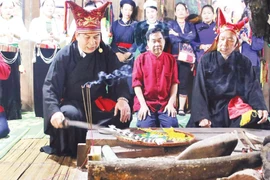
In the Central Highlands, the Gie Trieng ethnic group welcomes the New Year by covering one another in charcoal. Young men venture into the forest to burn wood into charcoal, carry it back to the village, and then mix and playfully throw it over fellow villagers.
The belief is simple: the more charcoal on one’s body, the greater the good luck in the year ahead. The ritual is joyful and deeply communal.
Royal splendour at the Neu Pole-erecting ceremony in Hue
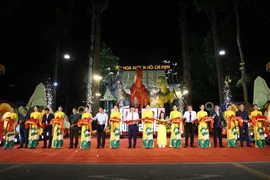
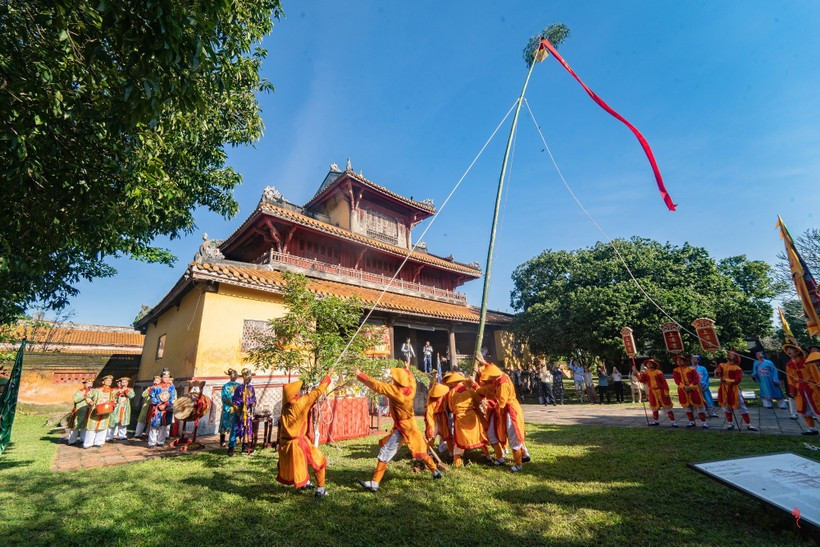
In the ancient capital of Hue, Tet begins with the traditional Neu Pole-erecting ceremony, recreated according to the Nguyen Dynasty’s court rites. Inside the Imperial Citadel, guards dressed in 19th-century royal attire erect Cay Neu, a tall bamboo pole believed to ward off evil spirits.
The ceremony marks the official start of the Tet holiday for the royal court and offers visitors a rare glimpse into historic palace rituals. The reenactment is staged exclusively during Tet.
Five-fruit trays and floating flower boats in Can Tho
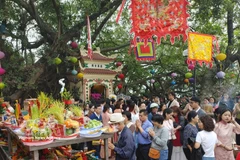
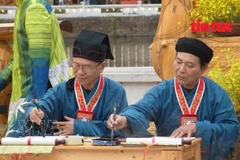
In southern Vietnam, Tet unfolds amid river life and creative calligraphy. Families prepare the traditional five-fruit tray — custard apple, coconut, papaya and mango — symbolising hopes for a prosperous and fulfilled year.
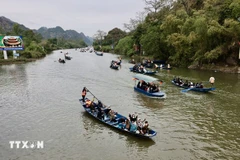
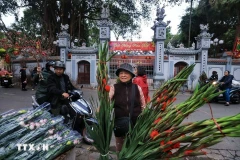
At dawn, Cai Rang Floating Market comes alive with boats laden with Tet flowers, transforming the river into a vibrant floating garden. This is how many Mekong Delta communities welcome the New Year.
Timeless heritage in Cao Bang’s stone village
In Vietnam’s northeastern border region, Tet arrives against a backdrop of dramatic mountains. In Khuoi Ky village, Tay ethnic people live in stone stilt houses dating back more than 1,200 years.
Their Tet is marked by folk singing and quiet spring excursions to Ban Gioc Waterfall, creating an atmosphere that is simple and serene, far removed from the noise and bustle of urban life.
Lion dances on ancient streets of Hoi An
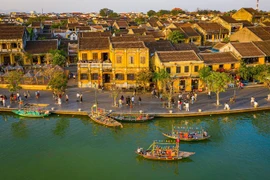
Lion dances are common during Tet, but few settings are as evocative as Hoi An. The beat of drums echoes through narrow alleys, weaving past centuries-old yellow-walled houses.
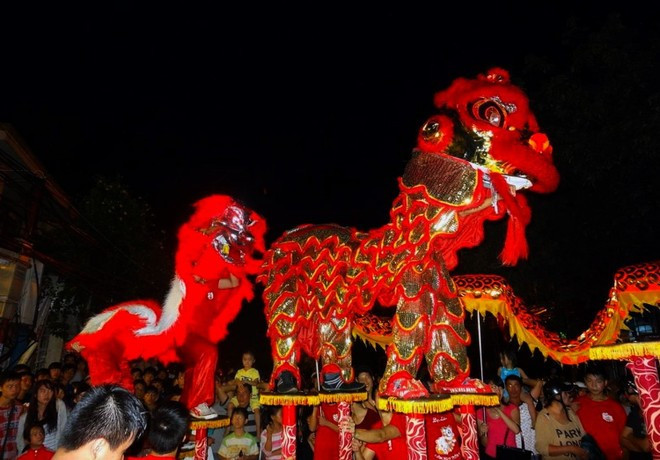
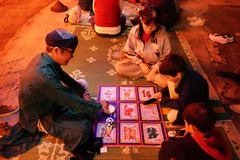
Between performances, locals and visitors gather for Bai Choi, a unique form of folk art practiced in Vietnam’s central region and performed right on the streets.
A taste of old-style northern Tet in Duong Lam ancient village
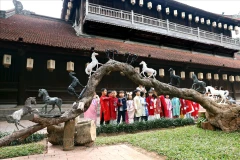
Just 50 kilometres from downtown Hanoi, Duong Lam preserves the rhythms of an older northern Tet. The village’s laterite houses, communal gates and calligraphy scrolls create the feeling of stepping back in time.
Village elders gather to drink tea and perform ancestral rites, creating a tranquil scene that contrasts sharply with the fast-paced atmosphere of the capital./.