Hanoi (VNS/VNA) - The "online grocery shopping" market has emerged as one of the hottest growth sectors in Vietnam's e-commerce landscape. Platforms including Shopee, Grab, TikTok, and Be Group are racing to capture consumer shopping baskets and reshape digital spending habits across the nation.
Online grocery shopping has become a habit for millions of Vietnamese families, particularly in major urban centres.
Rise of smart baskets
According to a report regarding retail sales via online platforms conducted by Metric in 2024, the combined sales of Vietnam’s top five e-commerce platforms, namely Shopee, Lazada, TikTok Shop, Tiki, and Sendo, reached 318.9 trillion VND (12.17 billion USD) last year, a 37.36% jump from 2023. Product volume surged by over 50% to hit 3.42 million items, reflecting the surging appetite for digital consumption.
Examining the sector breakdown, while traditional bestsellers like beauty products, home goods, and women’s fashion still dominate sales, the standout performer was groceries and food, which saw a record growth of 76.3%, outpacing all others. It signals a fundamental shift in consumer behaviour as Vietnamese shoppers are increasingly turning to apps instead of markets and supermarkets for their daily needs.
Industry experts identify multiple factors driving online grocery shopping into a billion-dollar battleground for app developers. High purchase frequency stands as the crucial element. Meanwhile, fresh foods including vegetables, meat, and fish remain essential consumer goods purchased daily or weekly, helping platforms maintain continuous presence and strengthen customer loyalty.
E-commerce has been driven by convenience factors, rapid delivery, and time savings for consumers. Additionally, the rise of imported goods alongside evolving consumption demands creates both opportunities and challenges for domestic enterprises. This requires retailers to enhance product quality, increase competitiveness, and adapt flexibly to new trends to avoid being left behind in a volatile market, according to insiders.
Apps' infrastructure advantages
When customers shop for food, they often add fast-moving consumer goods (FMCG) to their carts, significantly boosting order value. These platforms can also cross-sell related services like e-payments or ride-booking.
With Gen Z and millennials familiar with technology and demanding convenience-focused and personalised experiences, apps, which are able to offer a seamless and fast service, are finding fertile ground.
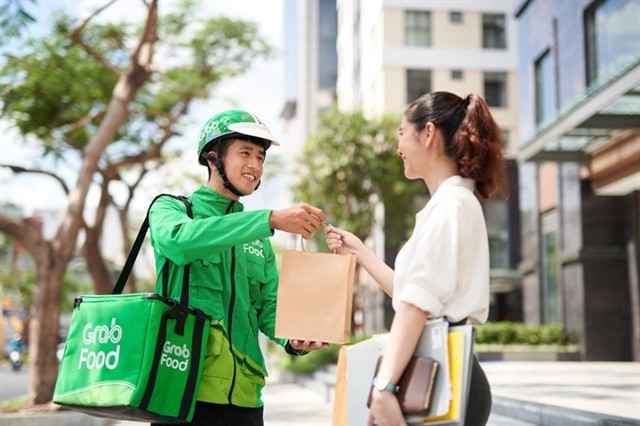
Leading this battle is GrabMart, Grab's online grocery platform, positioning itself as an express shopping assistant. With delivery times of just 15-30 minutes, GrabMart serves diverse needs, from family meals and snacks to mini cosmetics and emergency products.
GrabMart extends beyond fresh food sales, expanding its categories to include health and beauty, convenience stores, mother and baby products, electronic accessories, and even pet care items. Partnerships with Pharmacity, Guardian, WinMart, and local vendors help GrabMart address urgent needs while tapping into diverse customer segments.
According to Grab’s data, its average order value last year rose over 25%, with non-food items comprising an increasingly larger proportion, demonstrating that users see GrabMart as a convenience store in their pocket.
Meanwhile, Shopee is leveraging its massive ecosystem with ShopeeFood and ShopeeMart. ShopeeFood now leads Vietnam’s food delivery market with a 42.94% market share, edging past GrabFood with 40.61%. ShopeeMart, in the meantime, connects seamlessly with ShopeePay and ShopeePayLater, offering grocery delivery, return policies within 15 days, and even free return shipping, which are rare in the FMCG sector.
Be Group, owner of BE app, is developing a made-in-Vietnam ecosystem, providing multiple services from ride-hailing to insurance and food delivery.
BeFood, launched in 2022, has seen impressive growth, with orders up 390%, number of customers up 250%, and partners increasing sevenfold in just two years. BeMart, its online grocery arm, is still in trial, but the company’s local roots and scalability give it hopes of reclaiming the home ground from foreign rivals.
Several platforms like TikTok, MoMo and ZaloPay are morphing into digital markets themselves.
Artificial intelligence and big data are poised to take the game to the next level, automating meal suggestions, bundling vegetable-meat-fish combos, and even scheduling reorders. Supply source diversification through direct connections with farms and manufacturers helps reduce intermediaries and improve quality. Meanwhile, digital financial services promise explosive growth through grocery installments, cashback point accumulation, and bundled payments with ride-hailing and food delivery services.
Despite huge potential, online shopping is facing formidable challenges such as high operating costs, customers’ preference for brick-and-mortar shopping, fierce competition through vouchers and free delivery. In this game, GrabMart bets on speed and "urgent" categories. ShopeeMart/ShopeeFood leverages scale and integrated ecosystems. Be Group plays the "home field" card with ambitions to serve 20 million Vietnamese users while TikTok Shop capitalises on its shoppertainment./.
VNA