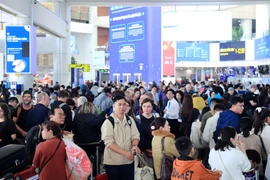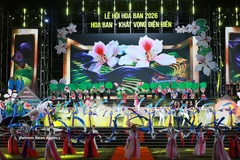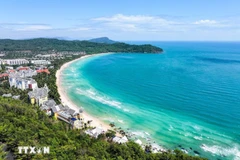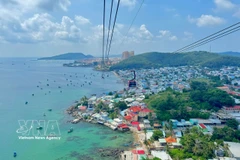
Hanoi (VNA) – Vietnam’s tourism sector recorded strong momentum during the New Year 2026 holiday from January 1–4, welcoming an estimated 3.5 million visitors nationwide, according to the Vietnam National Authority of Tourism (VNAT).
Average room occupancy at tourist accommodation facilities reached about 51% nationwide, while several key destinations reported higher rates of around 65%.
Favourable weather throughout the holiday fuelled lively tourism activities across the northern, central and southern regions. Phu Quoc, Da Lat, Mang Den, Ho Chi Minh City, Hanoi, Da Nang, Nha Trang, Vung Tau and Mui Ne were among the most popular destinations.
HCM City topped the list with approximately 1.24 million visitors, marking a 65% year-on-year increase. International arrivals to the city were estimated at more than 75,700, up 83%. Room occupancy stood at around 75%, and tourism revenue was estimated at 2.63 trillion VND (about 100 million USD).
Ninh Binh served over 723,000 visitors, including nearly 178,000 international arrivals, generating an estimated 795 billion VND in tourism revenue. Quang Ninh welcomed around 657,000 visitors, including about 70,500 international arrivals and some 218,000 overnight guests, with tourism revenue estimated at 1.62 trillion VND.
Lam Dong province received about 650,000 visitors, with room occupancy ranging from 70% to 80% and tourism revenue estimated at roughly 1.2 trillion VND. Hanoi welcomed approximately 560,000 visitors, up about 250% year on year. International arrivals to the capital were estimated at around 110,000, a rise of roughly 287%. Room occupancy reached about 73%, while tourism revenue was estimated at around 2.1 trillion VND, up 254% compared to the same period last year.
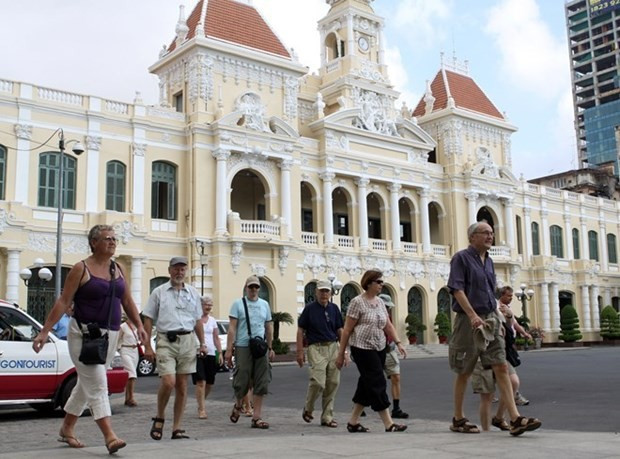
The New Year holiday remains a traditional high season for international travel to Vietnam. This year, inbound tourism from markets such as China, the Republic of Korea, the US, Thailand, Malaysia and Singapore continued to grow, offering positive signals for the sector.
VNAT noted that the four-day break provided favourable conditions for a strong surge in domestic tourism, allowing travellers to enjoy longer stays and higher spending on services. Domestic tourism continues to serve as the backbone of the market, while international travel shows a more selective pattern, focusing on nearby and short-haul markets. At the same time, demand for personalised travel experiences is increasingly replacing mass-market tours.
Seen as an important run-up to the peak tourism season in early 2026, the New Year holiday results underscore the positive impact of visa facilitation and promotion efforts, helping lay the groundwork for the 2026 targets of welcoming 25 million international arrivals and serving 150 million domestic tourists./.