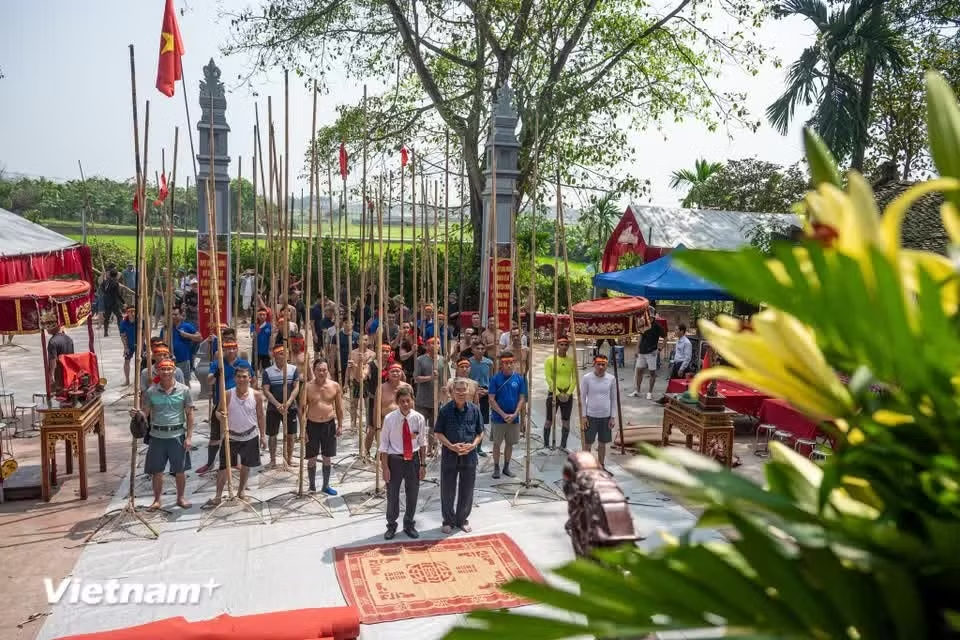
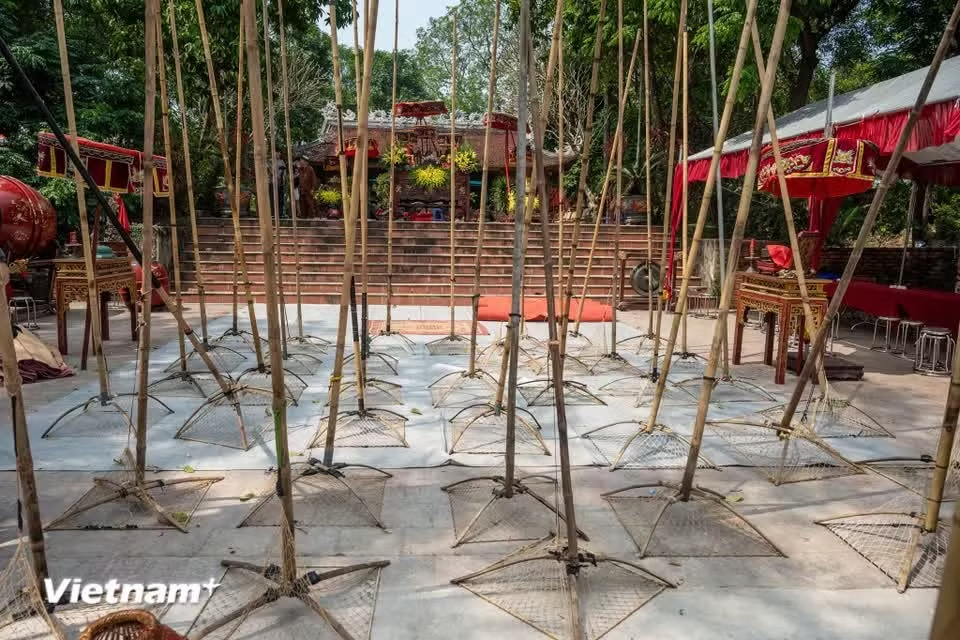









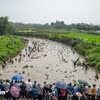

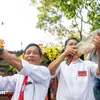
More than a fishing activity, the practice has evolved into a distinctive ritual embedded in the traditional festival of Tuong Phieu communal house, now recognised as part of the locality’s intangible cultural heritage. (Photo: VietnamPlus)
Although “dap sao” typically peaks during the low-water season from late autumn to early winter, in Tuong Phieu, the fish-catching ritual has been incorporated into the spring festival programme. (Photo: VietnamPlus)
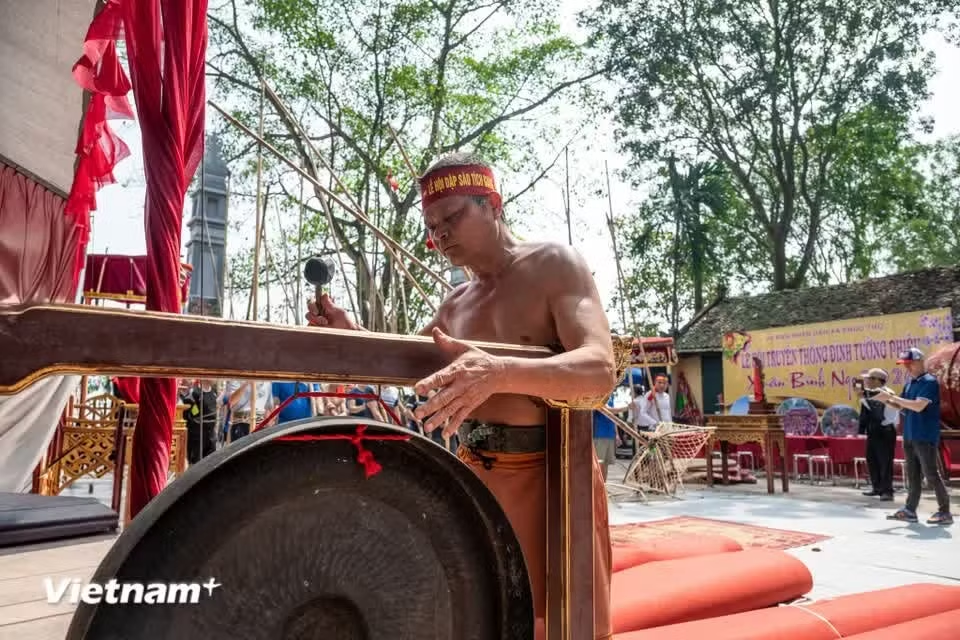
Nguyen Duc Ky, a 70-year-old chief officiant of Tuong Phieu communal house, noted that while the festival’s origin is unknown, it is held every three years - in the years of the Rat, Horse, Cat and Rooster - to preserve long-standing traditions. (Photo: VietnamPlus)
During the main festival days (around the 14th–16th days of the first lunar month), the community organises processions, incense offerings and rituals in honour of Saint Tan Vien, a figure closely associated with Ba Vi and folk legends of flood control and livelihood guidance. (Photo: VietnamPlus)
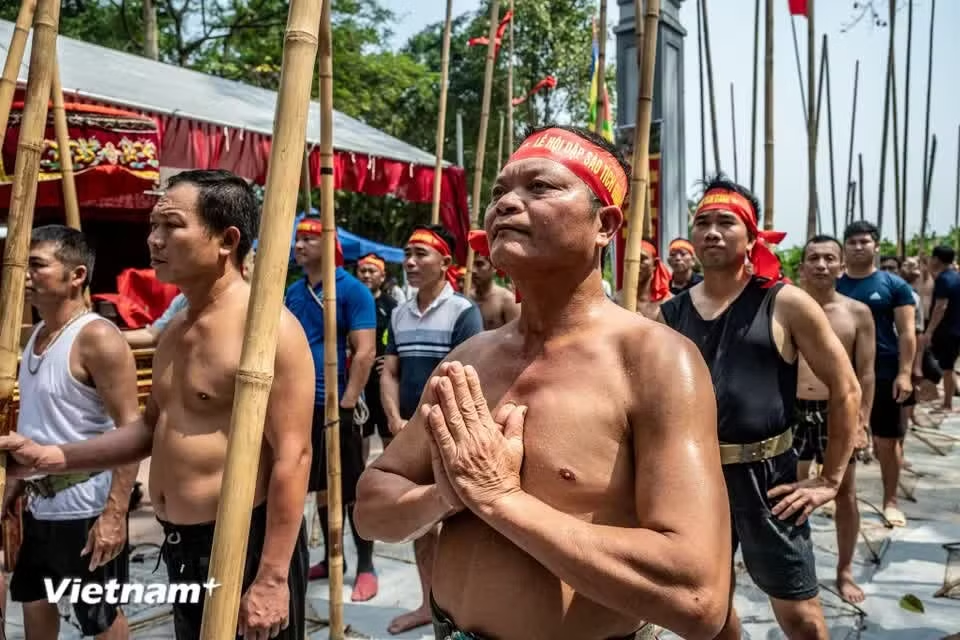
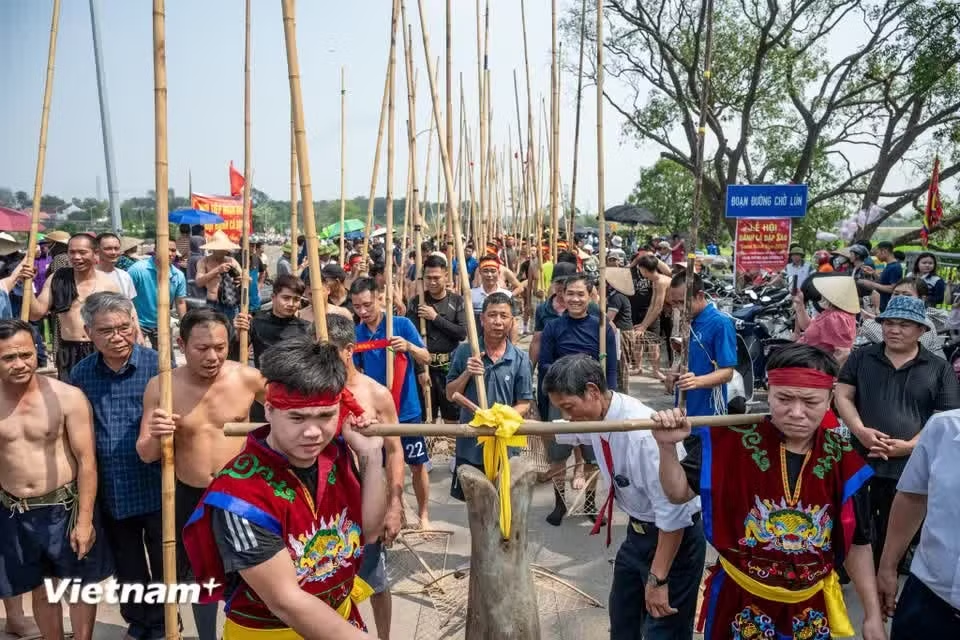
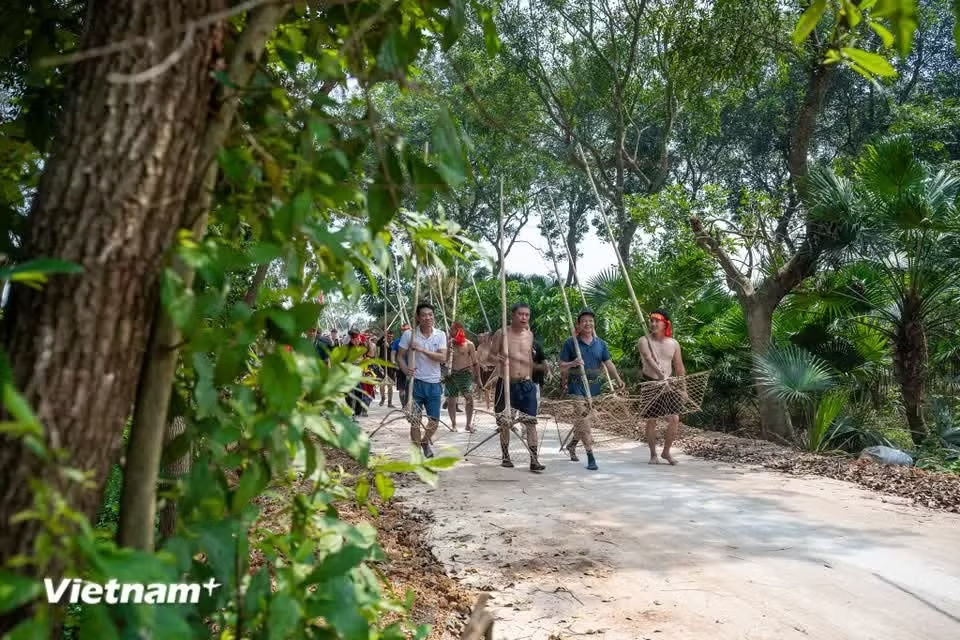
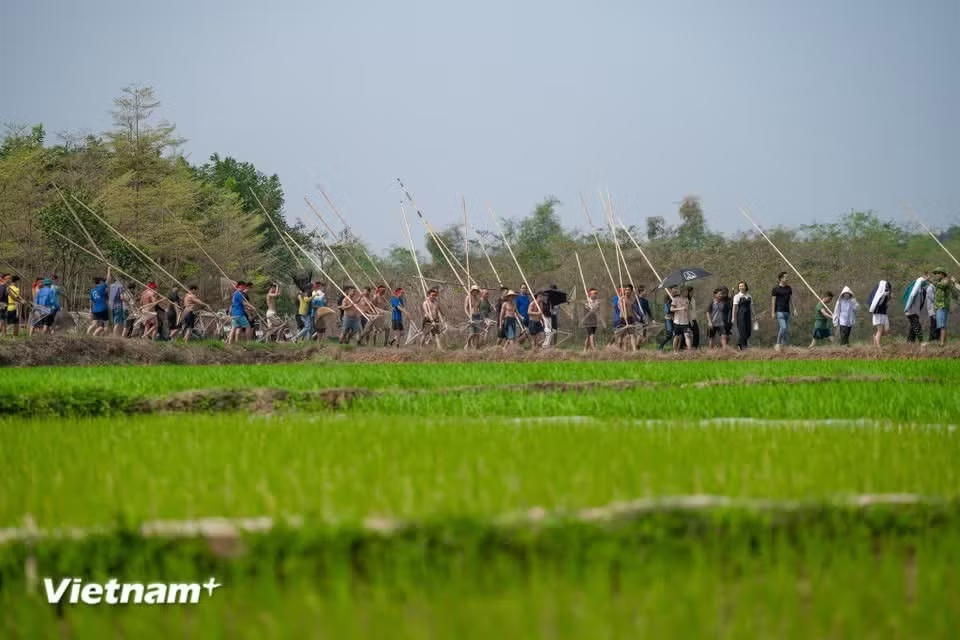
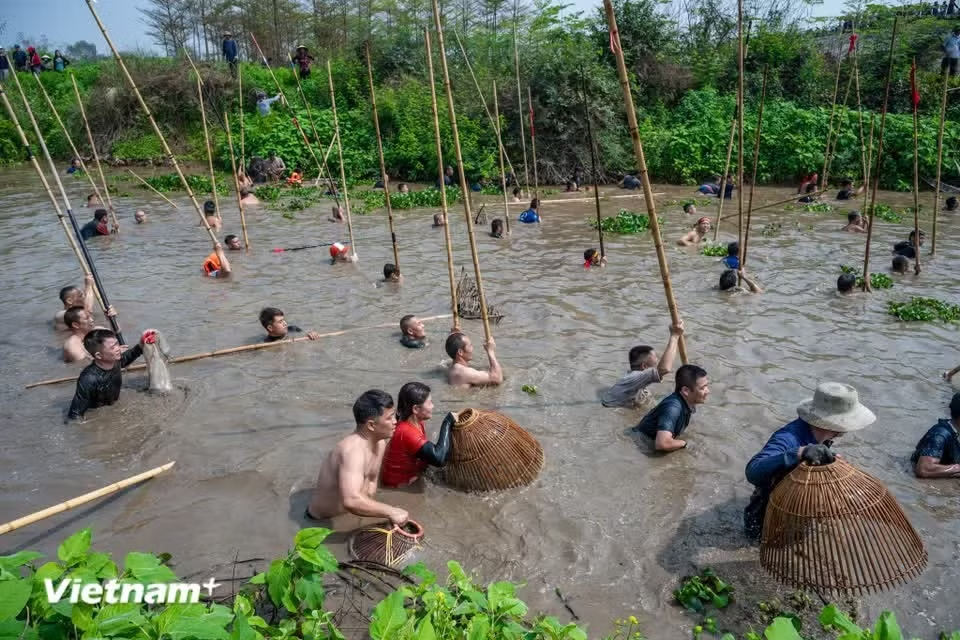
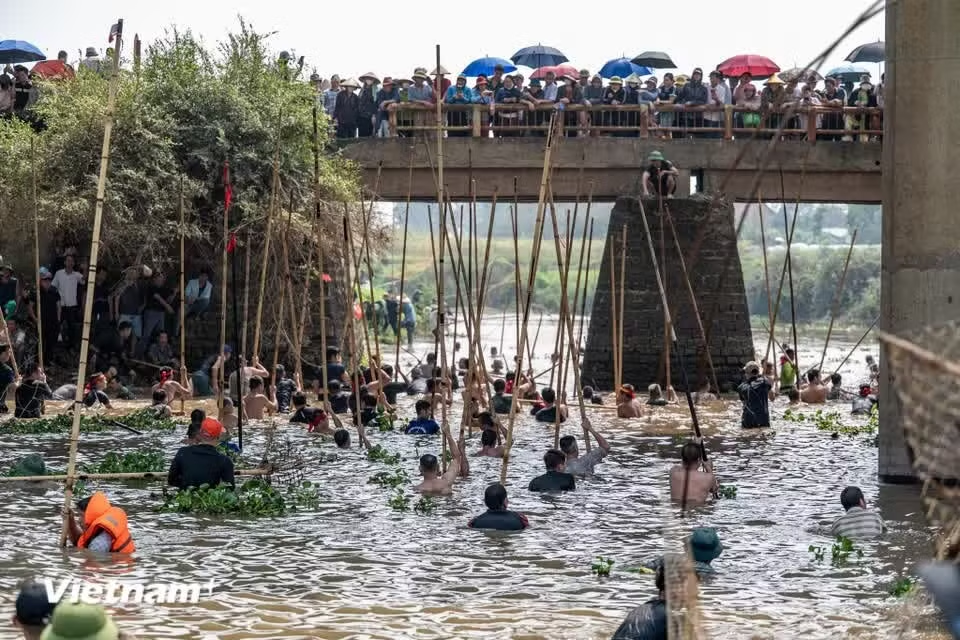
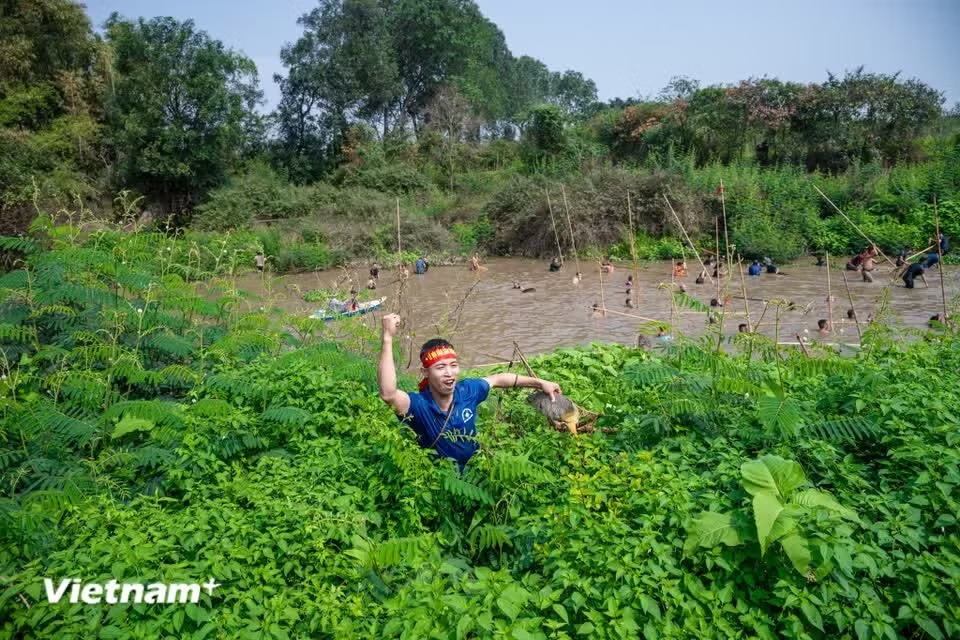
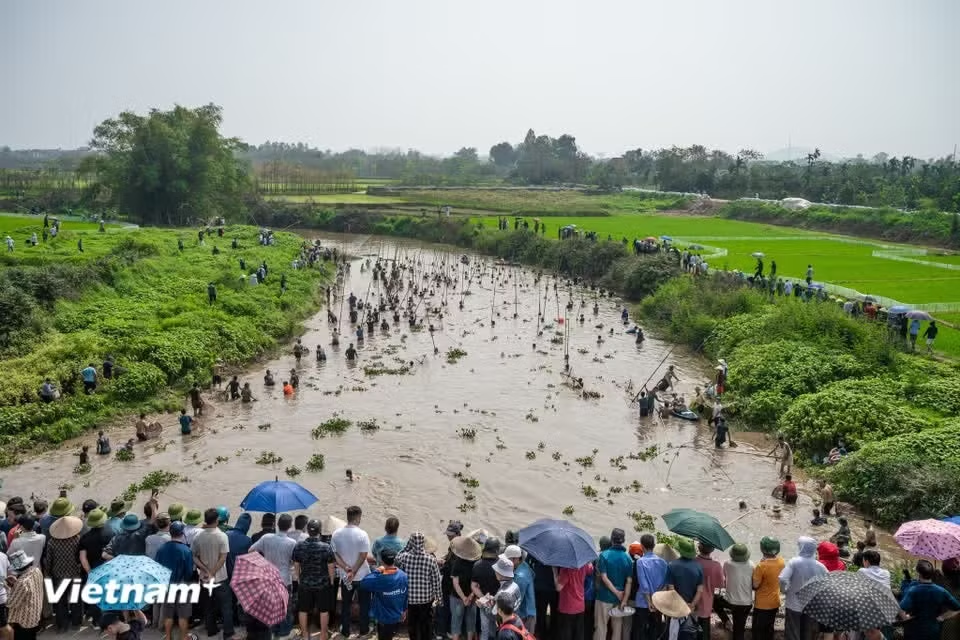
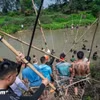
On the afternoon of March 2 (the 14th day of the first lunar month), hundreds of men - known as “dap thu” - gathered along the Tich River in Tuong Phieu, ready for a productive festival season. (Photo: VietnamPlus)
The traditional fish-catching festival in Phuc Tho commune of Hanoi centres on the “dap sao bat ca” ritual on the Tich River, closely linked to the nationally recognised Tuong Phieu communal house. (Photo: VietnamPlus)
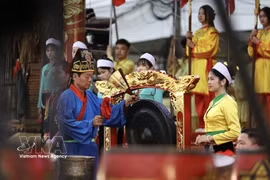
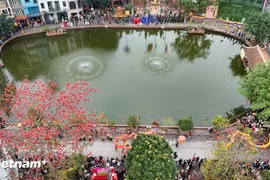
While the activity often peaks during the low-water months, often in late autumn and early winter in Tuong Phieu, the fish-catching ritual remains an integral part of the spring festival. (Photo: VietnamPlus)
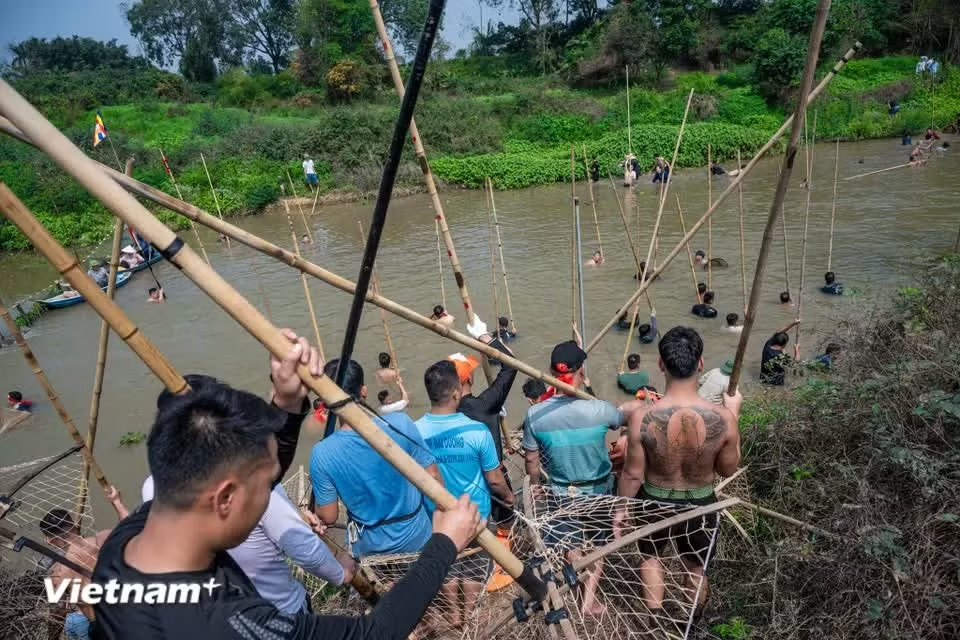
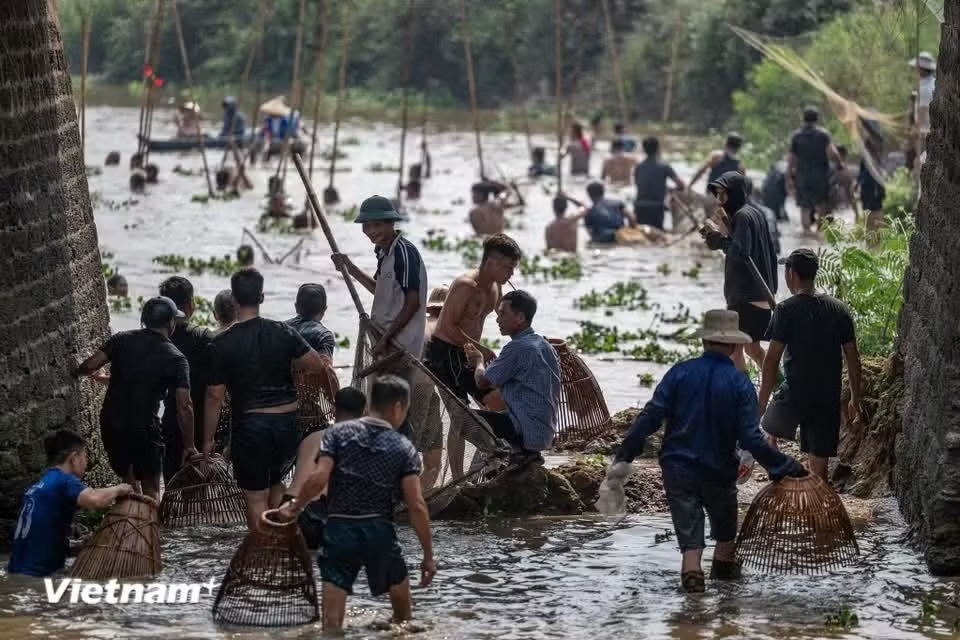
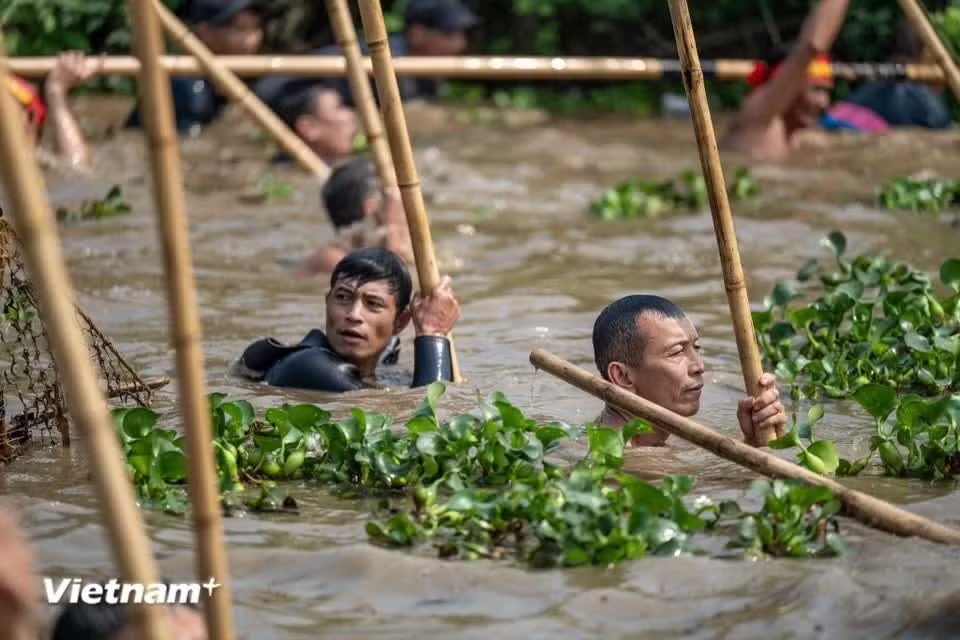
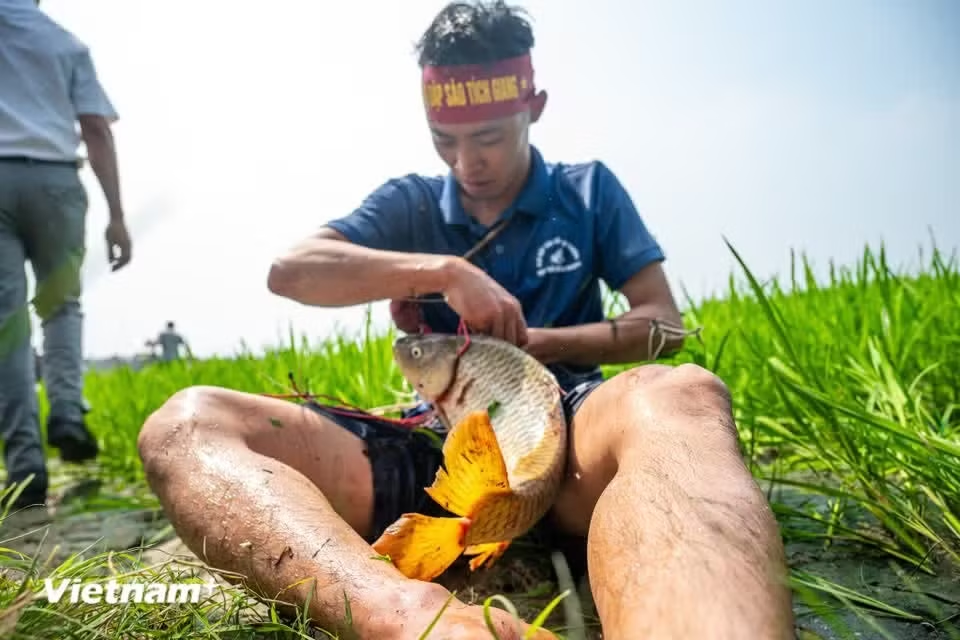
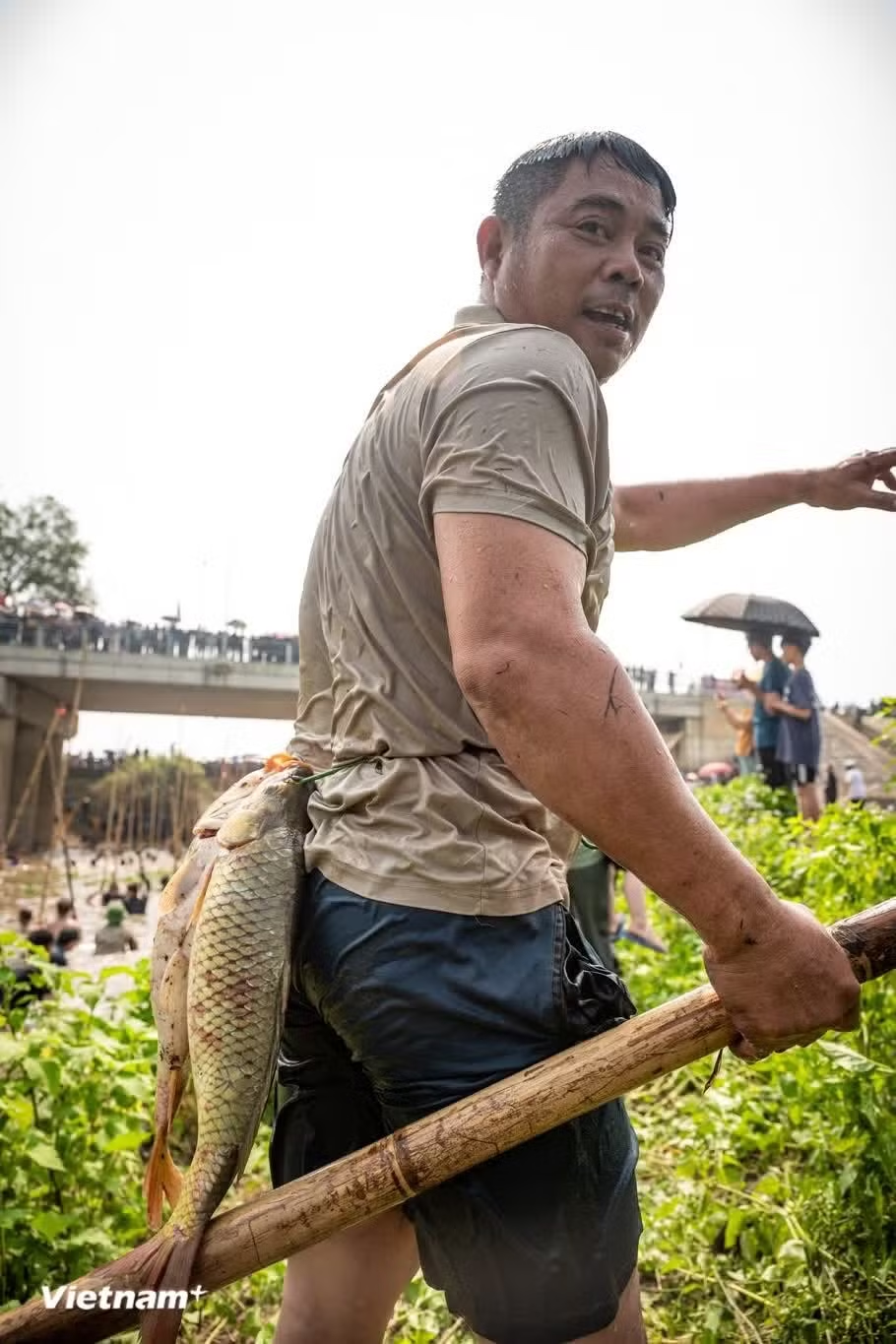
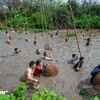
Standing shoulder to shoulder in the river, participants strike the water with bamboo poles; fish trapped within nets or startled into shallow areas are swiftly caught by hand or retrieved by diving. (Photo: VietnamPlus)
The festival serves both as a tribute to Saint Tan Vien for his contributions to flood control and fishing practices, and as a vibrant communal gathering. (Photo: VietnamPlus)
The “dap sao bat ca” festival at Tuong Phieu vividly reflects how riverine agricultural communities intertwine livelihoods with spiritual beliefs, forming a “living heritage” expressed through sound, movement and ritual offerings. (Photo: VietnamPlus)
Preserving the festival requires both respect for tradition and adaptive approaches, maintaining core rituals while creating space for younger generations to engage, learn and appreciate its deeper cultural values. (Photo: VietnamPlus)
The festival highlights the distinctive cultural identity of Xu Doai, a historical-cultural region known for its unique village traditions and social organisation in Phuc Tho. (Photo: VietnamPlus)
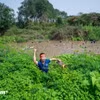
Vuong Duc Du, 29, from Lai Thuong commune (Thach That commune, Hanoi), expressed his excitement after being among the first to catch a big fish. (Photo: VietnamPlus)
Du said that although it was his first time participating, he found the experience both enjoyable and exhilarating. (Photo: VietnamPlus)
The festival honours long-standing cultural traditions, while also expressing hopes for favourable weather and abundant harvests, embodying the rich folk heritage of Xu Doai. (Photo: VietnamPlus)
The sharp sounds of bamboo poles striking the water, combined with lively calls and cheers, create a vivid picture of rural life along the river. (Photo: VietnamPlus)
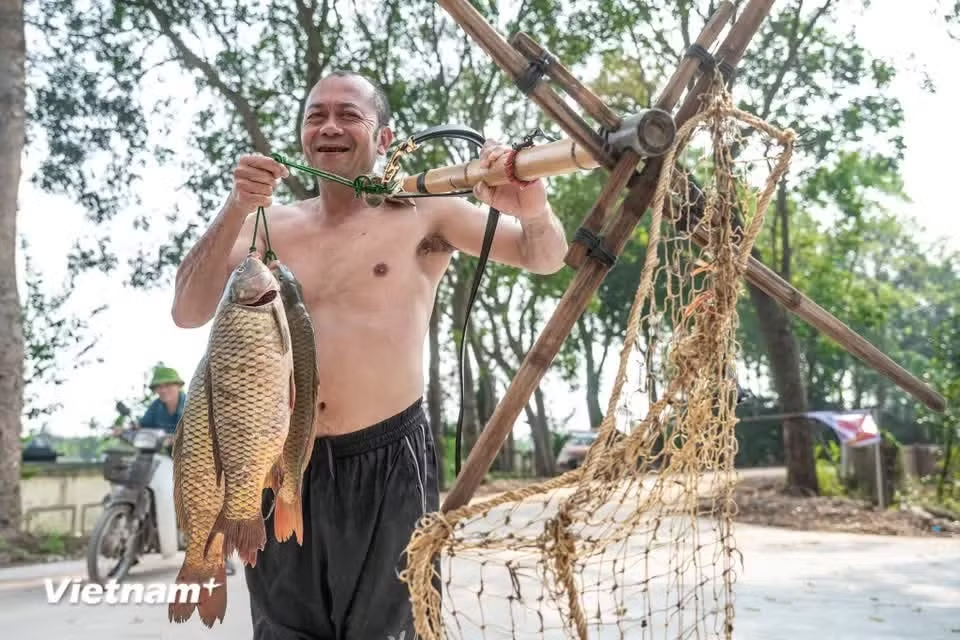
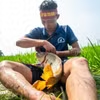
1By the end of a session, most participants carry home strings of freshly caught fish. (Photo: VietnamPlus)
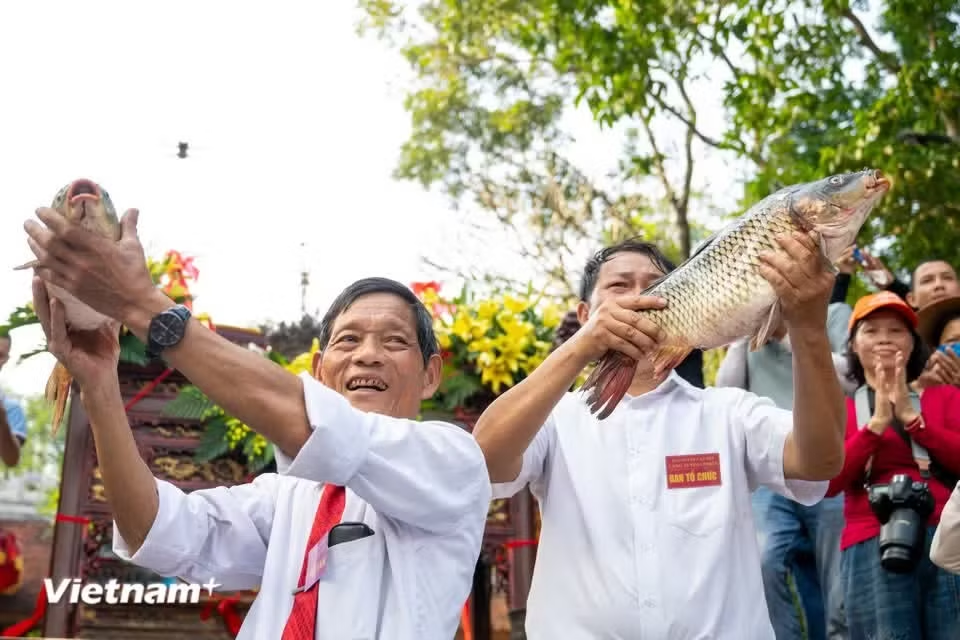
In the ceremonial offering, the biggest fish is carefully selected and presented at the altar as a symbol of gratitude and prayers for peace, prosperity and a bountiful season, reflecting the deep connection between river-based livelihoods and spiritual beliefs. (Photo: VietnamPlus)
0
1
2
3
4
5
6
7
8
9
10
11
12
13
14
15
16
17

Traditional fish-catching festival brings river culture to life

Held along the Tich River in Phuc Tho commune of Hanoi, the centuries-old “dap sao bat ca” (bamboo pole fish-catching) ritual remains one of the most distinctive folk festivals of former Xu Doai – an area covering the western part of Hanoi - closely associated with the nationally recognised Tuong Phieu communal house.