Hanoi (VNA) - Experts have suggested that businesses should maximise the benefits of existing free trade agreements (FTAs) to reduce overdependence on a single market, thereby avoiding potential reliance on one market, and "trade shock" caused by shifts in trade policies.
The new tariffs imposed by US President Donald Trump on certain countries are expected to significantly impact imports into the US. As a result, experts have emphasised that in addition to meeting the high standards of foreign markets, effectively leveraging signed FTAs is a sustainable strategy to boost exports and minimise risks amid ongoing global trade disputes.
Proactive strategies to seize opportunities
Each year, Lam Viet JSC generates approximately 30 million USD in export revenue from wood and furniture products. CEO Nguyen Thanh Lam attributed this success to the company’s ability to meet stringent market standards, including raw material traceability, origin certification, and adherence to sustainability criteria.
Currently, Lam Viet’s products are primarily exported to the US, EU, and the UK. The company is also striving to be more flexible in seeking new orders and customers, Lam said.
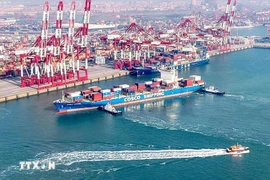
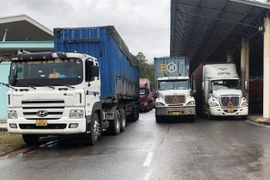
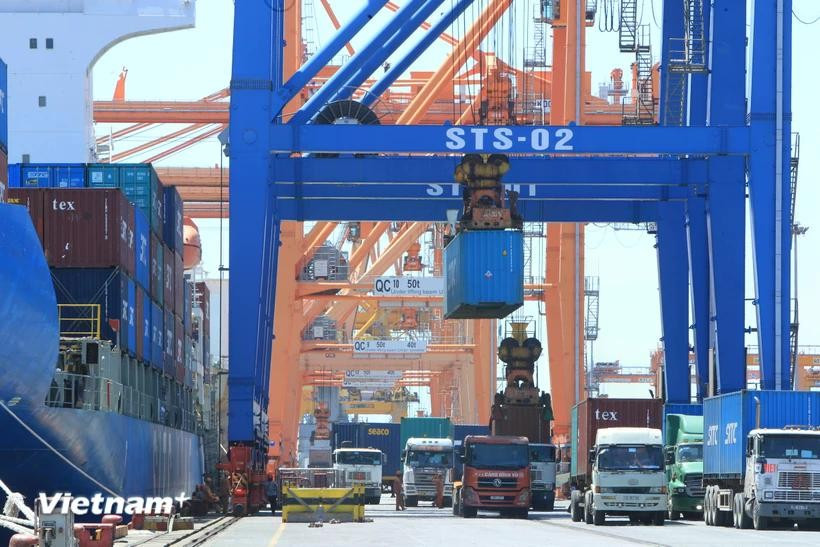
According to the General Department of Customs, in 2024, two-way trade between Vietnam and the US exceeded 132 billion USD. Vietnam’s exports to the US neared 119 billion USD, marking a 23.3% increase from 2023, while imports from the US reached 13 billion USD, up 7.3%. Vietnam is now the US’s eighth-largest trading partner and fourth-largest export market within ASEAN. Meanwhile, the US remains Vietnam’s second-largest trading partner and top export market. Key Vietnamese exports to the US include footwear, wooden furniture, and machinery.
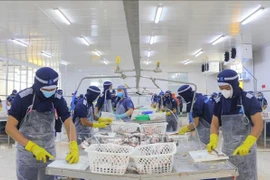
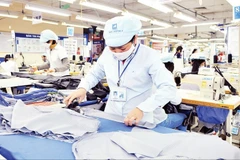
Experts have predicted that in 2025, Vietnam’s major export industries, such as garment-textiles, wood and wooden furniture, electronic machinery, and agricultural products, will have significant opportunities in the US market. The textile industry currently accounts for 40% of its total export revenue to the US. In 2025, it aims to earn more than 20 billion USD in exports, driven by rising demand for high-quality, eco-friendly products.
Similarly, the wood and wooden furniture sector, poised for strong growth, is expected to reach approximately 10 billion USD in 2025, marking a 20% increase from 2024. The growing consumer preference for sustainable and recycled furniture in the US remains a key driver. Additionally, high-tech products, such as electronic components and telecommunications equipment, are projected to contribute significantly to Vietnam’s total export revenue, with an estimated growth rate of 15-18%, fueled by production expansions by companies like Samsung, Intel, and LG.
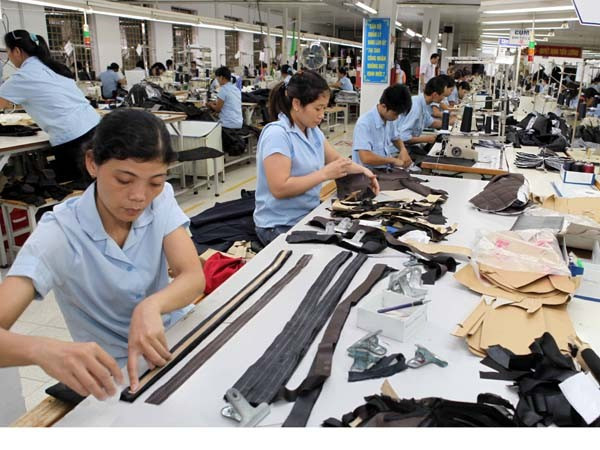
Pham Xuan Hong, Chairman of the Ho Chi Minh City Association of Garments, Embroidery, and Knitting, has seen promising prospects for Vietnam’s textile industry in 2025, especially with long-term orders secured through the second quarter. While US tariff policies on certain countries have disrupted global trade, they also present opportunities.
Demand for garments continues to rise. With positive achievements in the first quarter, the textile industry could see double-digit export growth this year, said Hong. However, he cautioned that to maintain sustainable exports, authorities and businesses must closely monitor supply chains to prevent foreign goods from transiting through Vietnam to avoid tariffs, which could jeopardise the credibility of "Made in Vietnam" products.
For the steel industry, the General Department of Vietnam Customs reported that Vietnam exported over 12.6 million tonnes of steel in 2024, generating more than 9 billion USD in revenue. The US accounted for 13.2% of the total volume and 14.5% of the value, reaching 1.67 million tonnes. Given the recent US tariff measures, the Vietnam Steel Corporation (VNSteel) has anticipated heightened competition from low-cost imports, while export constraints due to rising protectionist policies.
It is crucial to capitalise on multilateral and bilateral trade agreements to boost exports and alleviate domestic market pressures, a VNSteel representative said, suggesting the government strengthening diplomatic relations and trade negotiations with key partners to mitigate adverse tariff policies and market protectionism against Vietnamese goods.
Reducing overreliance on a single market
While Vietnam’s export potential to the US in 2025 remains substantial, Do Ngoc Hung, Head of Vietnam’s Trade Office in the US, warned that President Donald Trump’s new administration is expected to introduce significant political, economic, and financial shifts that could impact global and regional trade.
Achieving a balanced and mutually beneficial trade relationship is increasingly urgent. Vietnam must continue its efforts to fulfill market access commitments, address concerns raised by US businesses, and demonstrate its commitment to sustaining trade and investment ties between the two nations, Hung noted.
Economic expert Quang San noted that President Trump’s tariff policies focus on increasing import duties. In his first term, he imposed tariffs on certain countries, and his second term is likely to see even stronger tariff measures.
He also highlighted the increasing number of US anti-circumvention investigations. If Vietnam fails to rigorously control foreign goods from rerouting through its supply chains, San said, the consequences could be severe, not just in terms of punitive tariffs but also damage to the credibility and brand of Vietnamese exports.
San urged businesses to comply with the quality and standards of importers while enhancing competitiveness. He also called on competent agencies to pay more attention to investment to strengthen bilateral economic ties.
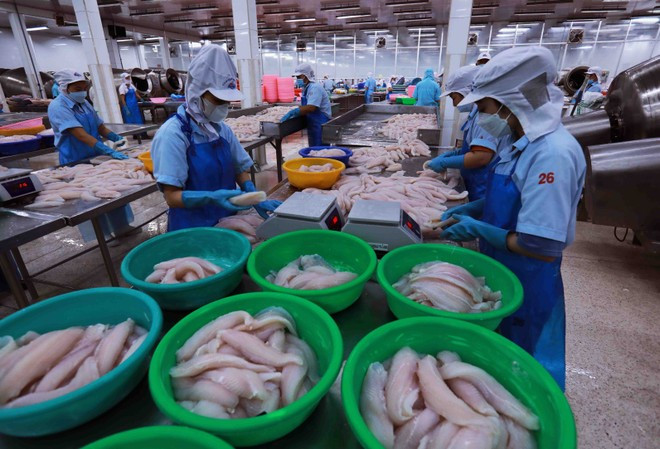
According to economist Dinh Trong Thinh, the US remains Vietnam’s largest export market, accounting for 30% of the country’s total exports. Any changes in US trade policies regarding Vietnamese imports could have significant repercussions.
To maintain export momentum, Thinh suggested diversifying export markets by leveraging 16 FTAs to which Vietnam is a signatory, in order to enhance export value and explore new markets. Reducing overreliance on a single country will help mitigate risks associated with trade policy shifts. He also urged relevant agencies to consider increasing imports of US machinery, advanced technology, and consumer goods, including aircraft and civilian vehicles, to balance trade relations.
In the current global landscape, economic experts believe that with a solid foundation from the Comprehensive Strategic Partnership and opportunities from global trade trends, Vietnam’s exports to the US in 2025 will not only generate substantial economic benefits but also reinforce the country's role in global supply chains. By effectively capitalising on opportunities and addressing challenges, Vietnamese businesses can achieve significant progress in Vietnam-US trade cooperation./.