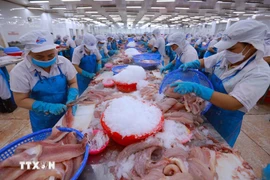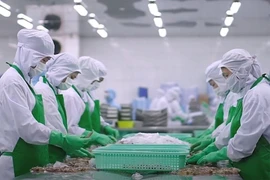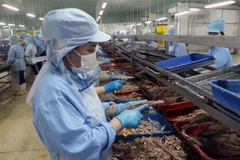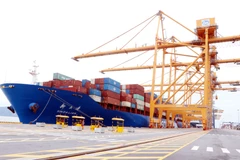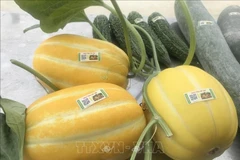
HCM City (VNA) – Building on strong growth in recent years, especially this year’s solid rebound, the agricultural sector has targeted 70 billion USD in agro-forestry-aquatic exports for 2025, an ambitious goal underpinned by not only the large shipment volume but also the strategic shift to a quality, technology, and deep processing-based growth model.
Measures sought to better value, quality of Vietnamese farm produce
With exports projected to reach 70 billion USD by the end of 2025, the year is set to be a breakthrough for the sector, highlighting its impressive progress driven by improved quality, standardisation, and sci-tech application.
Nguyen Van Toan Co, founder and CEO of Felix Technology Solutions JSC (FELIXTECH), attributed this success to decisive efforts by the Government and ministries to explore markets and remove barriers, robust technological adoption in production, processing, traceability, and logistics, and the proactive engagement of businesses and farmers in improving quality and strengthening supply chain links. All these factors have formed the foundation for the sector to reach a new export record this year.
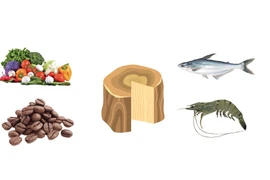
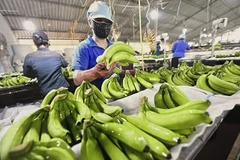
Vietnam has recorded growth across both traditional and emerging sectors — from wood, coffee, fruit and vegetables to rice, shrimp, and cashew nuts. Rising export prices show that Vietnamese farm produce are no longer "low-priced and volume-driven" but are shifting toward "high value and high standards", Co noted.
The European Union (EU) is viewed as the "highest-standard market" with stringent requirements for food safety, traceability, pesticide residues, and carbon emissions. The increased export value to the EU demonstrates that Vietnamese businesses have proactively developed production unit codes, strengthened traceability, invested strongly in deep processing, and met sustainability standards.
Le Chau Hai Vu, Director of the business consulting company ConsulTech, noted Vietnam’s agricultural export markets are shifting clearly toward Europe and Africa, with strong gains in both volume and quality, reflecting greater efforts made to diversify markets and enhance the global standing of Vietnamese farm produce.
Echoing the view, Dr. Phan Tan Luc, head of the E-commerce Training Programme at Thu Dau Mot University in Ho Chi Minh City, added that this marks a strategic pivot for Vietnam, moving beyond traditional markets to regions with higher standards and greater potential. The robust growth of Vietnamese agricultural exports to the EU, which has stringent requirements on quality, safety, and sustainability, underscores the sector’s growing ability to upgrade and modernise its value chains.
The expansion to African also shows the long-term vision in market diversification, an important step to reinforce the foothold in the global market and minimise risks posed by market volatility, he continued.
Agro-forestry-aquatic exports hoped to surpass 70 billion USD
According to Deputy Minister of Agriculture and Environment Phung Duc Tien, full-year exports are forecast to hit a record of 70 billion USD, surpassing the target of 65–67 billion USD for the year.
Luc stressed that achieving this target requires both immediate and long-term measures. Focus should first be put on stepping up deep processing, aligning quality with international standards, and exploring markets in the EU, the Middle East, and Africa, and helping businesses meet green, traceability, and emission-reduction requirements.
He added longer-term solutions include developing large material zones linked to value chains, investing more in digital technology and cold-chain logistics, promoting circular agriculture, and building national brands for Vietnamese agricultural products.
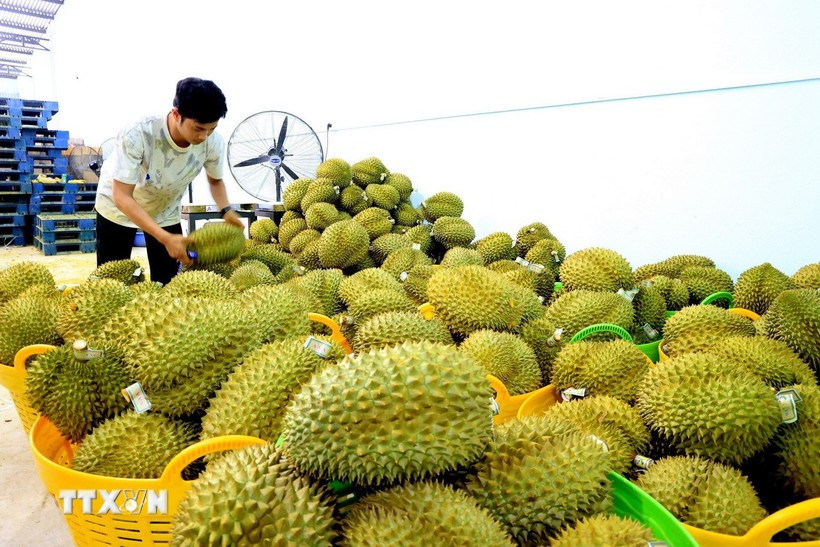
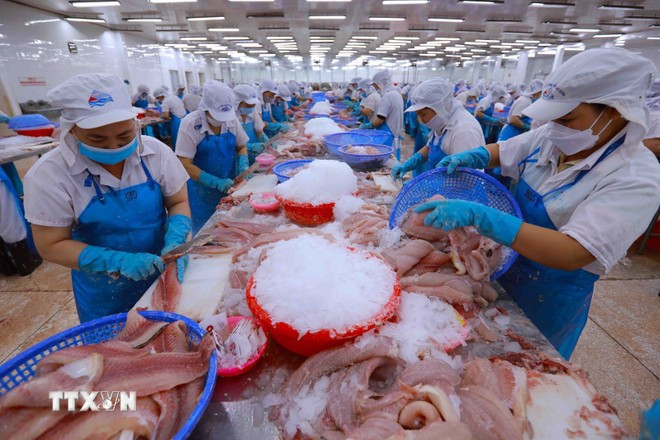
Meanwhile, Co proposed such key measures as accelerating digital transformation, standardising production unit codes, ensuring full traceability, integrating e-commerce, logistics, payment and finance, and supporting farmers and businesses in accessing markets more efficiently. He also stressed the importance of boosting post-harvest technology and building national brands to enhance the value and global standing of sectors like rice, timber, coffee, durian, pepper, cashew, and tra fish.
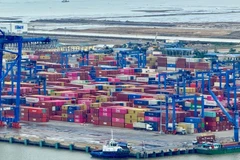
He also stressed improving logistics to cut supply chain costs, expanding cold storage and agri-logistics hubs, and integrating multimodal transport to boost competitiveness, while expanding markets across the EU, Africa, and the Middle East, fully tapping free trade agreements (FTAs), and modernising the trade promotion system.
Vu showed optimism that export earnings could reach or even surpass70 billion USD this year. However, he noted that farmers and businesses must prioritise their credibility with partners to maintain long-term relationships, especially in export markets that strictly monitor pesticide residues.
Sharing his view, Luc perceived that the outlook hinges on maintaining growth through the second half of 2025, mitigating risks related to market fluctuations, meeting international standards, and reducing logistics expenses. With efficient use of emerging opportunities and timely removal of bottlenecks, Vietnam’s agriculture could mark an unprecedented breakthrough in 2025./.