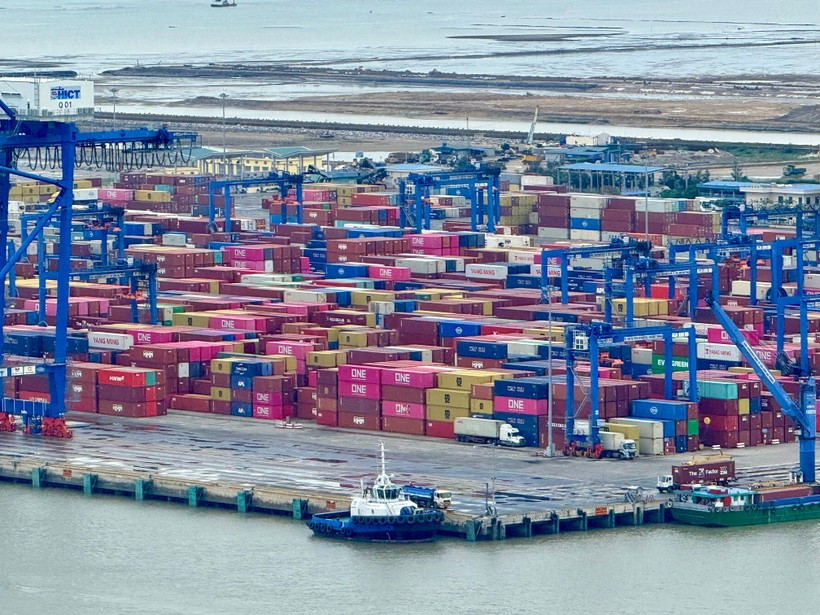
Hanoi (VNA) – To maintain sustainable export growth, associations and sectors are making strong efforts to diversify markets, reduce dependence on major trading partners, and adapt to changes in international trade policies.
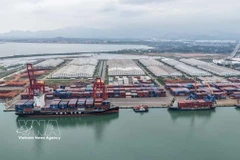
Amid a highly uncertain global economic landscape, Vietnam's exports still made a strong impression, with turnover reaching nearly 305 billion USD in the first eight months of 2025, marking a 14.4% increase over the same period last year.
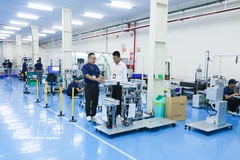
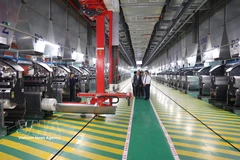
The electronics industry achieved earned 100 billion USD during the period, up 25% year-on-year, accounting for over 30% of the country’s total shipments.
Do Thi Thu Huong, a representative of the Vietnam Electronics Industries Association, shared that the sector is actively boosting exports to India, Singapore, and other Southeast Asian countries. India is considered a potential market with less competition from China and can become a “new launchpad” for Vietnamese electronics businesses.
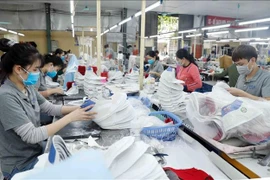
As of the end of August, the textile and garment sector recorded an export turnover of 30.8 billion USD, a year-on-year increase of 7%, with a trade surplus reaching 14 billion USD. Notably, European markets such as Germany, the Netherlands, and Spain saw impressive growth rates of 20.9%, 12.2%, and 10.4%, respectively.
Truong Van Cam, Vice Chairman of the Vietnam Textile and Apparel Association (VITAS), suggested the Ministry of Industry and Trade develop a concentrated raw material supply centre for the textile, footwear, and wood industries, aiming to reduce dependence on imports and increase product value.
Meanwhile, the wood industry brought home 11.2 billion USD after eight months, marking a 7% rise compared to the same period last year. However, the sector faces a significant challenge as 90% of its export value comes from just five key markets.
Ngo Sy Hoai, Vice Chairman and General Secretary of the Vietnam Timber and Forest Product Association, noted that the US remains the largest market, accounting for 56% of total export turnover, but the sector cannot continue to rely on just a few markets.
To break free from this "dependency trap", it is implementing a strategy to refresh its approach to traditional markets while simultaneously expanding into niche markets such as Spain, the Netherlands, and others, he added.
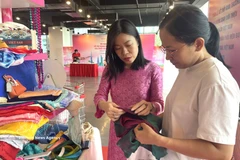
All associations unanimously agree that diversifying markets and developing supporting industries are sustainable directions. Strong investing in the domestic production of raw materials and accessories such as fabrics, components, and materials is necessary. At the same time, grasping information from Vietnam’s trade offices abroad is crucial to catch up with new trends and regulations, especially the EU’s sustainability rules. Participating in trade fairs and international business matching events is also an effective way for firms to advertise products and find partners.
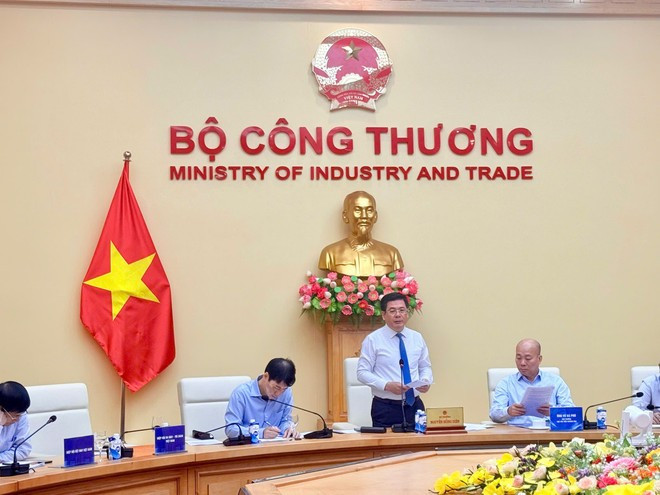
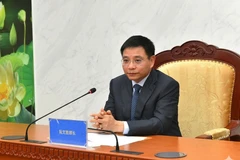
Facing intertwined challenges and opportunities, the Minister of Industry and Trade, Nguyen Hong Dien, emphasised the role of industry associations as important “bridges” in helping Vietnamese goods further stretch their reach to global markets. He made the comments at a conference with Vietnam’s trade offices abroad in August.
With the goal of achieving 12% export growth in 2025, the minister advised businesses and industry associations develop trade promotion plans aligned with enterprise capacities. He also advised them to prioritise tapping the markets with which Vietnam has an FTA, and expand to potential regions such as Eastern Europe, Africa, and South Asia.
Regularly monitoring and sharing information on markets, trade policies, tariffs, and technical standards of key markets is essential for enterprises to promptly adjust strategies, he stressed.
In addition, Dien asked relevant units to strengthen early warning capacity regarding international trade risks, from policy changes to technical barriers, to help businesses better prepare for trade defence measures.
To achieve the set targets, the official called on overseas trade offices, ministries, sectors, localities, and businesses to work together on solutions, turning challenges into opportunities so that Vietnamese goods gain a stronger foothold on global markets./.