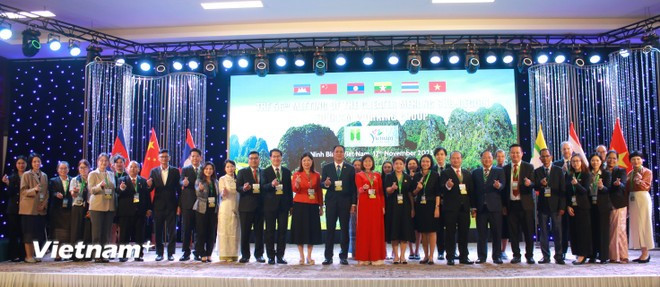
Hanoi (VNA) – As many as 70 international delegates from national tourism agencies across the Greater Mekong Subregion (GMS), together with the Asian Development Bank (ADB) and international partner organisations, convened in the northern province of Ninh Binh to develop and implement the GMS Tourism Marketing Action Plan for the 2026-2030 period.
Speaking at the 56th Meeting of the GMS Tourism Working Group on November 17, Nguyen Thi Hoa Mai, Deputy Director of the Vietnam National Authority of Tourism (VNAT), said that international tourism worldwide and within the GMS had rebounded strongly in the first half of 2025. However, she noted that the recovery was accompanied by pressures arising from geopolitical tensions, economic uncertainties, the impacts of global climate change, rising operational costs, and several other challenges.
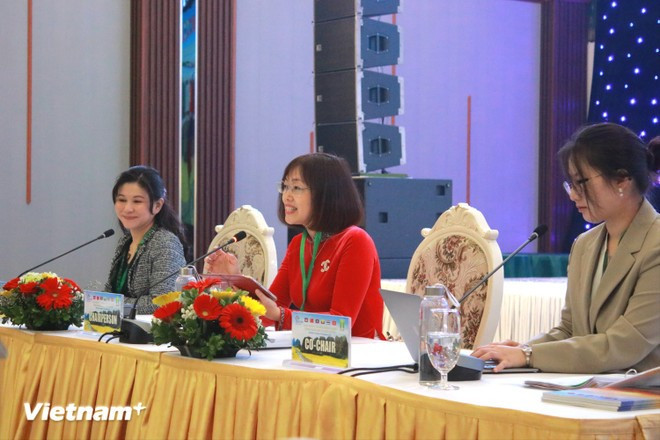
Mai said these factors require countries to adapt and strengthen community resilience, particularly in destinations heavily dependent on tourism. Alongside the adoption of the GMS Tourism Strategy 2030, the group is now focusing on developing and implementing a practical, data-driven and collaborative GMS Tourism Marketing Action Plan for the 2026–2030 period.
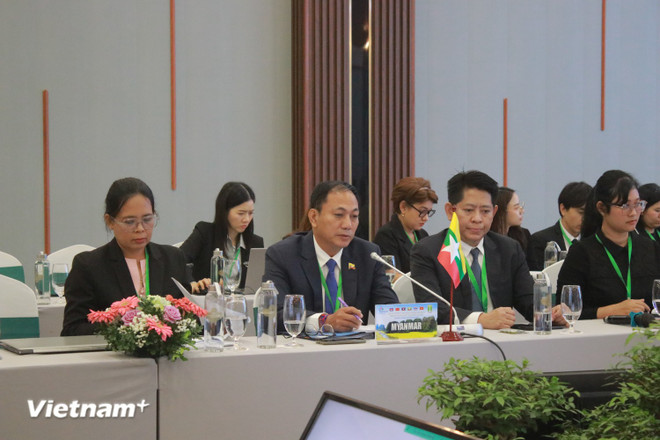
The plan comprises four main action areas: developing and promoting cross-border tourism routes, fostering sustainable tourism and responsible visitor experiences, enhancing data sharing, statistics and market intelligence, and strengthening the role of the Mekong Tourism Forum (MTF) as a public–private cooperation platform.
Tourism cooperation
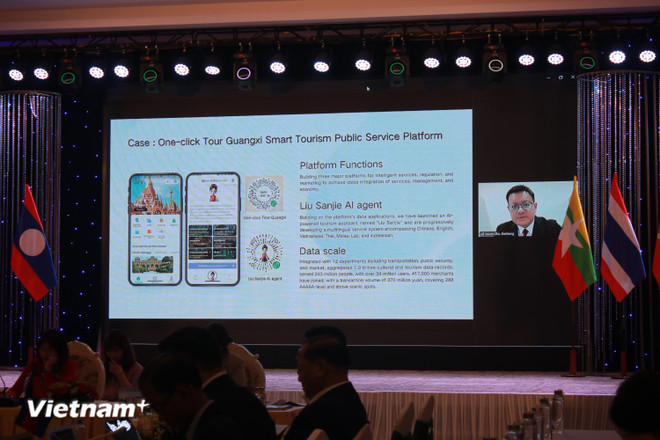
At the meeting, representatives from the six member countries shared key digital datasets that could make significant contributions to a common regional database. In subsequent sessions, discussions included mechanisms for level support of GMS tourism cooperation, the GMS marketing action plan, and digital communications and promotional content. Further discussions included a GMS tourism super-app for smartphones, capacity-building programmes in partnership with Agoda, partnership development plans, and policy advocacy mechanisms.
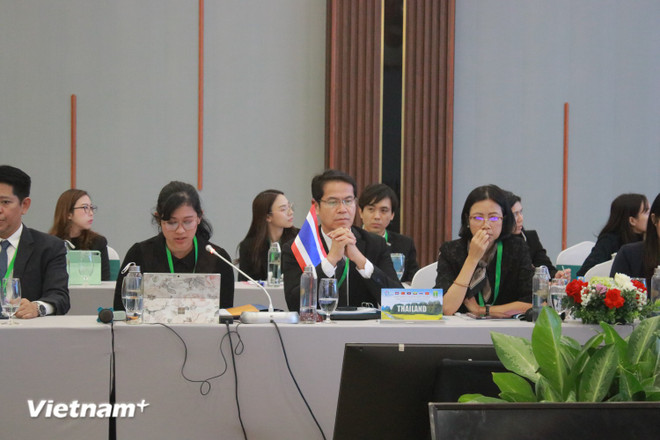
The delegates also discussed the tourism situation in 2025 and forecast trends in 2026, updated Mekong Tourism Coordinating Office (MTCO) activities, and shared national reports on tourism recovery, tourist markets, and industry support policies.
Another major highlight was the commitment to strengthening the role of the private sector in shaping and implementing joint marketing initiatives, particularly in digital communications, new product development and cross-border tourism promotion.
These outcomes not only contribute to greater connectivity across the subregion, but also reaffirm Vietnam’s active role in coordinating and advancing GMS tourism cooperation.
A representative of the Mekong Tourism Coordinating Office (MTCO) said that, beyond Agoda, the group intends to deepen collaboration with the Pacific Asia Travel Association (PATA), AirAsia Move, the Extraordinary Travel Festival, and the Institute Tourism platform (institutetourism.com), among others.
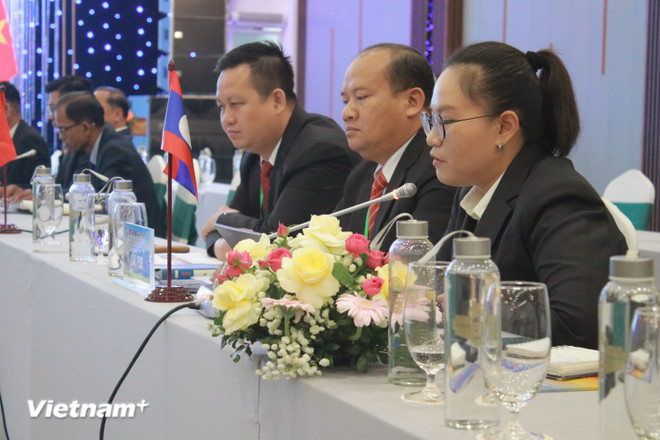
Elizabeth Jung, an urban development specialist at the Asian Development Bank, said the meeting marked an important milestone for the subregion, reflecting a shared commitment to a more sustainable, competitive and inclusive Mekong tourism industry.
She noted that recent developments across the GMS underline the timeliness of the new strategy. With both significant opportunities and risks emerging, the need for data-driven and sustainable destination management and marketing remains pressing.
These challenges are precisely what the GMS digital tourism action plan and related initiatives are designed to address, she emphasised./.