Vietnam urges deeper, more substantive ASEAN–China collaboration

Addressing the High-Level Thematic Dialogue at ASEAN–China Week 2025 in Fujian on November 17, Vietnamese Ambassador to China Pham Thanh Binh stressed that the ASEAN–China Comprehensive Strategic Partnership has continued to expand in recent years, contributing to regional peace and stability.

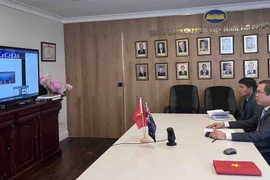
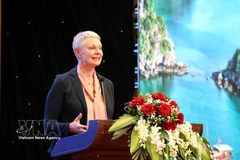
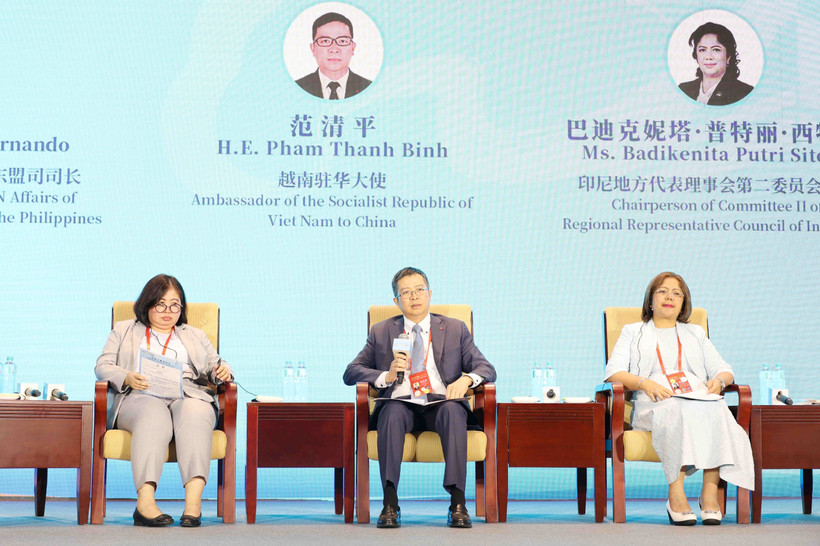
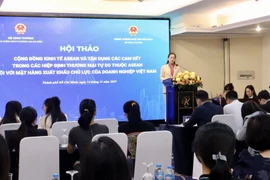
Vietnamese Ambassador to China Pham Thanh Binh (centre) speaks at the high-level thematic dialogue of ASEAN–China Week 2025 (Photo: VNA)

Beijing (VNA) – ASEAN–China relations remain among the bloc’s most dynamic and comprehensive partnerships, and amid rising risks and uncertainties, both sides must work to maintain the positive trajectory of cooperation, Vietnamese Ambassador to China Pham Thanh Binh has said.

Addressing the High-Level Thematic Dialogue at ASEAN–China Week 2025 in Fujian on November 17, Ambassador Binh stressed that the ASEAN–China Comprehensive Strategic Partnership has continued to expand in recent years, contributing to regional peace and stability.

He highlighted several priorities for the next phase of cooperation, urging both sides to translate high-level decisions and agreements into concrete, substantive actions; and step up joint responses to cybercrime, transnational crime and climate change. The diplomat called for China’s continued active participation in ASEAN-led mechanisms as well as efforts to promote rules-based behaviour.

The Ambassador also underscored the need to deepen cooperation in trade, investment, the digital and green economies, science and technology, innovation, human resources development, tourism and people-to-people exchanges, while ensuring the effective implementation of the ASEAN–China Free Trade Area (ACFTA) 3.0 Upgrade Protocol.

He proposed strengthening strategic connectivity, beginning with soft connectivity aligned with the ASEAN Community Vision 2045 and China’s long-term development goals; upgrading transport infrastructure, especially rail and road links; establishing innovation networks and joint research facilities; and expanding cooperation on green technology and digital transformation.

Binh emphasised the importance of sustaining dialogue, building trust and realising the shared vision of peace, security and development; fully and effectively implementing the Declaration on the Conduct of Parties in the East Sea (DOC); and working towards an effective, substantive Code of Conduct (COC) in line with international law, including the 1982 UN Convention on the Law of the Sea (UNCLOS).

He also outlined Vietnam’s policies in the face of complex global developments, reaffirming the country’s consistent foreign policy of independence, peace, self-reliance, multilateralisation and diversification, comprehensive and extensive international integration, and being active, responsible member of the international community.

Vietnam is advancing major institutional reforms, including streamlining the administrative apparatus and piloting a two-tier local government model, to generate momentum for a new stage of rapid and sustainable development. The country continues to push reforms, expand openness, and build an independent, self-reliant economy.

The country aims to become a nation with modern industry and upper-middle income by 2030, and a developed, high-income country by 2045, with science and technology, innovation, digital transformation and the knowledge economy as key drivers. People remain at the centre of development efforts, with a focus on improving living standards, strengthening social welfare and developing high-quality human capital.

ASEAN–China Week 2025 spotlights key milestones in the ASEAN–China Comprehensive Strategic Partnership, serving as a platform for policy dialogue, practical cooperation and cultural exchange, while mobilising collective efforts toward a more cohesive ASEAN–China community.

At the opening ceremony, Shi Zhongjun, Secretary-General of the ASEAN–China Centre (ACC), said China and ASEAN should prioritise strategic alignment in development planning; uphold openness and integration for mutually beneficial cooperation; foster innovation-driven development and share scientific and technological gains; enhance policy coordination and mutual learning in governance; and utilise people-to-people exchanges to strengthen bonds between the two sides./.

VNA

See more

Illustrative Image (Photo: Bangkokpost)

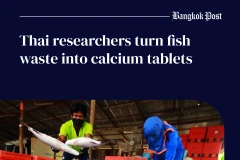
Thailand extracts bio-calcium from fish waste

Researchers at Rajamangala University of Technology, Thanyaburi (Thailand) developed a method to extract calcium from discarded parts of blackchin tilapia, including heads, bones, scales and tails - materials typically treated as waste and a source of pollution.

Philippines receives first Russian oil shipment in five years

Philippines receives first Russian oil shipment in five years

On March 24, Philippine President Ferdinand Marcos Jr. declared a national energy emergency through an executive order, allowing the government to fast-track fuel procurement, make advance payments for fuel contracts, and ensure the availability of fuel and other essential goods amid rising prices.

Philippines declares energy emergency over Middle East tension (Photo: BBC)

Philippines declares energy emergency

The Philippine Government on March 24 announced an "imminent danger of a critically low energy supply" as tensions in the Middle East threaten fuel supplies and the stability of the country’s power system.

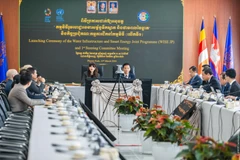
Delegates at the event (Photo: cambodia.un.org)

Cambodia accelerates access to climate-resilient water services

Funded by the UN Joint Sustainable Development Goals (SDG) Fund, the Water Infrastructure & Smart Energy Joint Programme (WISE JP) introduces a pioneering financial model that combines commercial and low-interest capital - a revolving blended‑finance facility - dedicated to ensuring climate‑smart water systems.

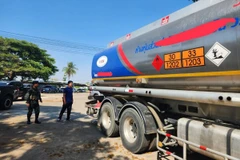
Officials inspect the 10-wheel tanker found smuggling fuel to Myanmar in Mae Sot border district on Sunday. (Photo:bangkokpost.com)

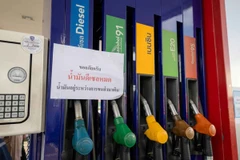
Thailand seizes 20,000 litres of diesel bound for Myanmar

Authorities of Thailand's Tak province have ordered intensified patrols and stricter inspections to prevent fuel stockpiling and illegal cross-border exports. They also called on local residents to report any suspicious signs related to fuel hoarding or smuggling.

Illustrative image (Photo: Internet)

Wildfires surge to 96 hotspots in Thailand

According to the provincial forest fire and haze prevention centre, satellite data from the Suomi NPP VIIRS system recorded the hotspots at 02:13. The fires were spread across multiple districts though firefighting teams have been working around the clock to contain the blazes.

In major cities such as Hanoi and Ho Chi Minh City, demand for pet-related services is surging. (Photo: VNA)

Vietnamese pet market attractive to RoK businesses

RoK pet food companies are increasingly targeting Vietnam as a key growth market, leveraging the country’s rapidly developing pet economy and rising demand for premium pet care products in Southeast Asia.

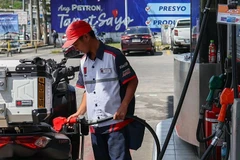
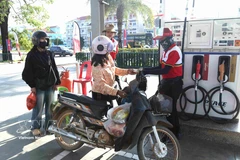
Residents refuel at a petrol station in Stung Treng province, north-eastern Cambodia. (Photo: VNA)

Cambodia introduces energy-saving measures amid Middle East conflict

Despite these challenges, the government noted that Cambodia’s fuel and electricity supply remains stable, supporting economic activities and public service delivery, based on assessments conducted with the Ministry of Mines and Energy, Electricité du Cambodge (EDC), and fuel import companies.

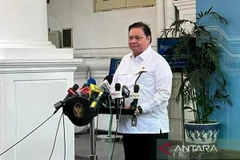
Coordinating Minister for Economic Affairs Airlangga Hartarto in a press statement at the Presidential Palace Complex, Jakarta on March 19. (Photo: ANTARA)

Indonesia pushes sustainable energy transition

Diesel plants remain widely used but should gradually be replaced by renewable energy sources, particularly solar power, due to their economic and environmental advantages, said an Indonesian minister.