Hanoi (VNA) – Vietnamese exporters are actively monitoring market developments, adjusting shipping strategies, expanding into nearby markets, and strengthening negotiations with partners to minimise risks and maintain stable export amid global logistics disruptions.
Volatility across international shipping routes has increased pressure on exporters as delivery times lengthen and logistics costs rise sharply. Instead of reacting passively, many businesses have developed contingency plans, flexibly make market adjustments and change transport methods to sustain trade flows.
Businesses turn challenges into opportunities
Geopolitical instability, particularly in the Middle East, continues to challenge global trade. However, Ha Quang Vu, a representative of the Ha Quang Import–Export Company Limited, said disruptions can also create opportunities for adaptable firms.
He noted that despite the prolonged Russia – Ukraine conflict, reconstruction demand, especially for wood products, has surged, enabling Vietnam’s wood sector to recover quickly and maintain growth amid strong global consumption.
Similarly, the Red Sea tensions in 2024 raised concerns over supply chain disruptions, yet exports in several sectors continued to expand. Even after changes in some US trade and tax policies in 2025, Vietnam’s exports to this North American market still sustained positive growth, highlighting the resilience and competitiveness of Vietnamese enterprises.
Volatility presents difficulties, but for businesses that adapt quickly, it also promises new markets and more orders, Vu said, adding that Vietnam’s advantages include its strategic position along major shipping routes and an extensive network of free trade agreements spanning Europe, Asia and the Middle East, helping domestic goods access global markets more deeply.
Vu forecast that import demand could rebound from mid-2026 following the current Middle East conflict cycle, particularly for consumer and reconstruction-related goods, offering export opportunities for well-prepared businesses.
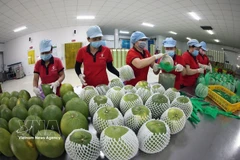
Positive signals are already emerging. Tran Binh Minh of the Dawnsky company said overseas demand for agricultural products has surged after recent geopolitical tensions, with export orders increasing roughly tenfold, especially from Middle Eastern and European markets.
Logistics disruptions previously reduced agricultural supply to Gulf countries, pushing prices higher and prompting importers to increase purchases — creating opportunities for new suppliers. Dawnsky now exports farm produce to about 16 countries, with Vietnamese coffee maintaining strong competitiveness internationally.
Minh said Vietnam is emerging as a stable source of supply thanks to steady economic growth, abudant goods, and businesses' flexible order fulfilment capacity.
He suggested businesses must actively promote products, maintain customer connections, and prepare supply chains in advance so contracts can be finalised quickly when logistics conditions improve.
Strengthening logistics risk management
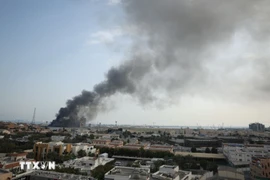
As geopolitical tensions continue to affect global supply chains, exporters and logistics firms are urged to closely monitor market developments, build response plans, and strengthen risk management capacity.
Nguyen Tuan Viet, CEO of trade consultancy VIETGO, said early preparation helps businesses minimise losses and sustain operational stability during market fluctuations.
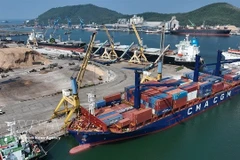
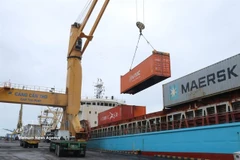
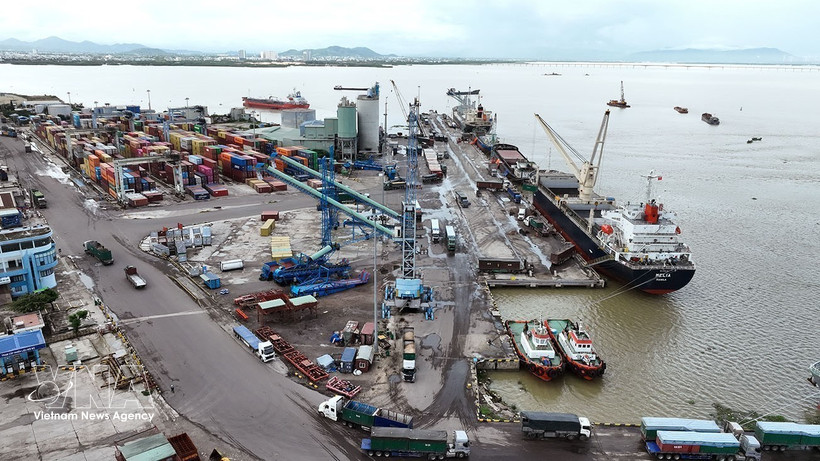
Conflict in the Middle East has disrupted shipping through the Suez Canal – a key Asia – Europe trade route, forcing many carriers to reroute vessels around the Cape of Good Hope, significantly extending transit times. Shipments from Vietnam to Europe that once took about 25 days may now require nearly 50 days, while freight rates have doubled or tripled due to heightened risks and fuel costs.
The situation is particularly challenging for fresh agricultural exports as longer transit times threaten product quality. Businesses may need to temporarily redirect certain goods to nearer markets such as Eastern Europe to reduce risks.
Despite rising costs, Viet noted that some vessels remain underloaded due to declining cargo volumes, creating room for exporters to renegotiate freight rates.
Freight rates do not always rise in one direction, he said, adding that proactive engagement with partners allows businesses to secure more suitable pricing./.
Middle East tension upheaval jolts shipping fuel suppliers in Singapore
Bunker distributors typically buy large volumes of fuel oil and marine gasoil that they then resell to vessels calling at Singapore for refuelling. However, several people directly involved in the trade said they had been holding off bigger orders since last week, citing extreme price fluctuations.