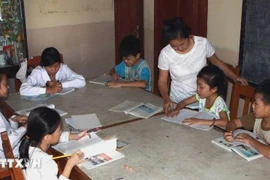
Hanoi (VNA) - Over the past 25 years, Vietnam has made substantial and sustained progress in preventing and eliminating child labour, including its worst forms, underscoring the country’s strong commitment to protecting children’s rights and promoting inclusive and sustainable development.
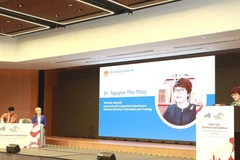
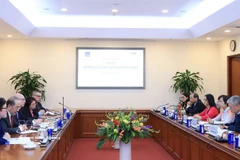
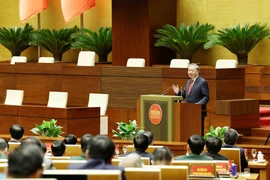
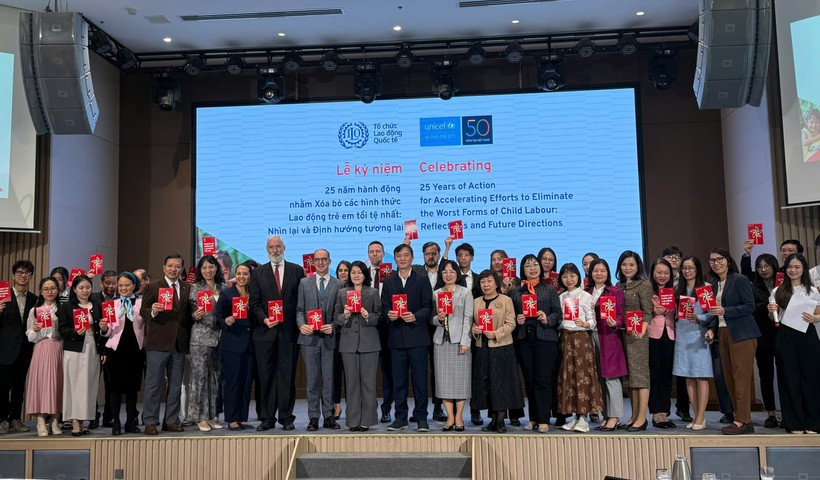
The International Labour Organisation (ILO) in Vietnam, in coordination with the United Nations Children’s Fund (UNICEF), held a ceremony in Hanoi on December 17 to mark the 25th anniversary of Vietnam’s ratification of ILO Convention No. 182 on the Worst Forms of Child Labour. The event highlighted a significant milestone in Vietnam’s long-term efforts to safeguard children from exploitation and to align national policies with international labour standards.
Strong progress since ratification
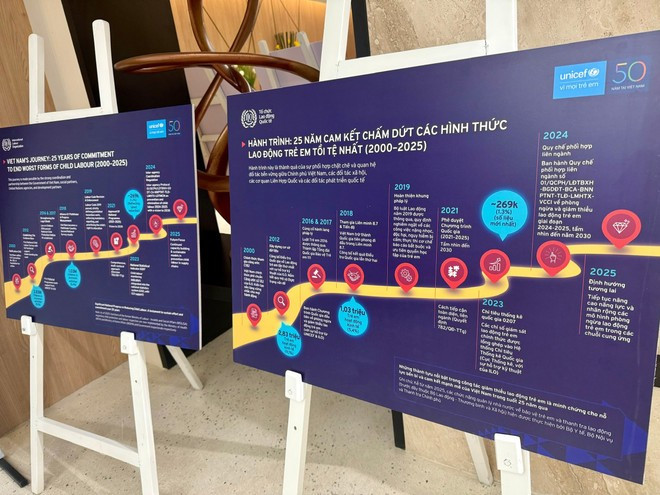
Since ratifying Convention No. 182 in 2000, Vietnam has achieved notable results in preventing, detecting and reducing child labour, particularly hazardous and exploitative forms. These achievements have been driven by continuous improvements to the legal and policy framework, the implementation of targeted national programmes, and strengthened coordination among ministries, sectors and local authorities.
Vietnam has progressively reinforced its child protection system by expanding access to education, improving social protection for vulnerable families, and enhancing mechanisms to monitor and respond to child labour risks.
As a pathfinder country of Alliance 8.7, Vietnam has demonstrated leadership and responsibility in contributing to global efforts to eliminate child labour, forced labour and human trafficking.
A key policy instrument underpinning recent progress is the National Programme on the Prevention and Reduction of Child Labour for the 2021–2025 period, with a vision to 2030. The programme prioritises prevention, early identification of risks, and long-term solutions for children in vulnerable circumstances, while promoting closer links between child protection, education and employment policies.
Significant improvements have also been recorded in evidence-based policymaking. According to national surveys conducted by the National Statistics Office with technical support from the ILO, the proportion of children engaged in economic activities declined sharply from 9.1% in 2018 to 3.5% in 2023.
However, challenges remain. An estimated 94,300 children are still involved in hazardous work, and nearly 12 out of every 100 child labourers face serious health and safety risks, highlighting the need for continued and targeted interventions.
ILO Country Director in Vietnam Sinwon Park emphasised that ending child labour is closely linked to long-term inclusive economic growth. She noted that when children are able to attend school and develop skills, and when adults have access to decent and productive employment, the positive impacts extend to families, enterprises and the wider economy. In this sense, eliminating child labour represents a strategic investment in Vietnam’s future growth and competitiveness.
Inter-agency coordination has played a central role in advancing child labour prevention efforts. Strengthened mechanisms among ministries, sectors and local governments have enhanced labour inspection, law enforcement and referral services for children at risk or affected by child labour.
Capacity-building initiatives have improved awareness and understanding among labour inspectors, local officials, employers and communities regarding legal obligations and the importance of child protection. These efforts have contributed to more effective identification of violations and better support for affected children and families.
New challenge in digital era
Looking ahead, stakeholders stressed that eliminating child labour requires sustained attention, particularly as Vietnam becomes more deeply integrated into global supply chains. Children from vulnerable households that are affected by poverty, migration, climate change, informal employment and limited access to services will continue to be a priority group.
Representatives from the Department of Maternal Health and Children under the Ministry of Health underscored that child protection is a shared responsibility involving families, communities, state agencies, workers, employers and businesses. Ending child labour, they noted, requires coordinated action ranging from stronger social protection policies and effective law enforcement to increased corporate responsibility.
In the context of rapid digital transformation, new risks are also emerging. Online child exploitation and abuse are becoming more prevalent, adding to existing vulnerabilities linked to poverty and informal work. This trend requires child protection systems that are capable of responding effectively in both online and offline environments, with an emphasis on prevention, education and legal compliance.
UNICEF Representative in Vietnam Ly Phat Viet Linh affirmed that every child has the right to a safe childhood, education and opportunities to develop. He stressed that preventing child labour begins with protecting children from harm, ensuring universal access to education and social services, and providing timely support to vulnerable families to help break the cycle of poverty.
At the event, the ILO, UNICEF and the United Nations in Vietnam reiterated their commitment to supporting Vietnam in implementing national programmes and strengthening labour and social law enforcement. As Vietnam prepares to develop the National Programme on the Prevention and Reduction of Child Labour for the 2026–2030 period, the 25-year anniversary of Convention No. 182 serves as an important opportunity to accelerate progress towards Sustainable Development Goal 8.7 - ending child labour in all its forms./.