Hanoi (VNA) - Vietnam's economy delivered its strongest first-half performance in over a decade, with GDP surging 7.52%, the highest since 2011. However, in order to deliver on the full-year growth target of 8%, the economy will need to expand 8.42% in the remaining months of the year, according to the National Statistics Office of Vietnam (NSO).
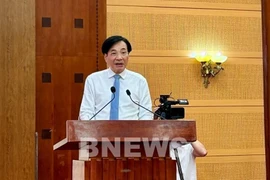
Director of the System of National Accounts Department under the NSO Nguyen Thi Mai Hanh highlighted that the impressive result in January – June was driven by stable macroeconomic policy, public investment flows, FDI, recovery of domestic demand, and international economic integration advantages.
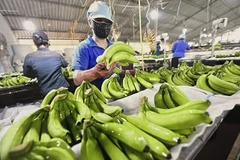
The agro-forestry-fisheries sector contributed 0.43 percentage points to overall growth with a 3.84% expansion. Industry and construction provided the largest boost, contributing 3.26 percentage points through 8.33% growth. Services rounded out the picture with 4.04 percentage points from 8.14% growth.
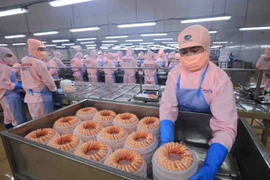
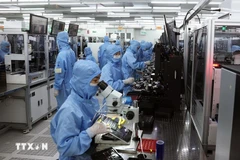
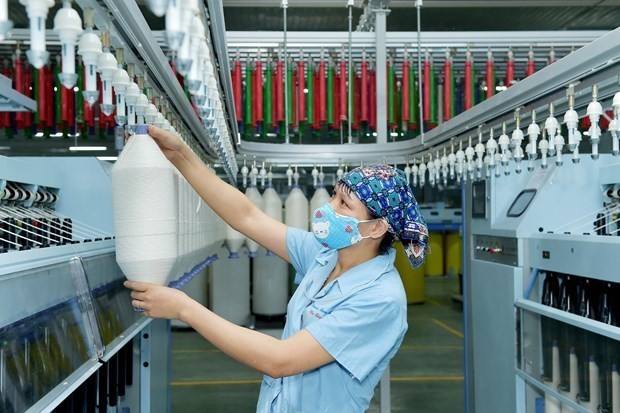
In particular, industrial production saw served as a key driver, led by manufacturing and processing, which grew by 10.1%. Major industries such as apparel, leather products, rubber, plastics, and motor vehicles experienced strong growth, while the construction sector expanded 9.62%, benefitting from public investment in major infrastructure projects, including roads, power plants, and industrial parks.

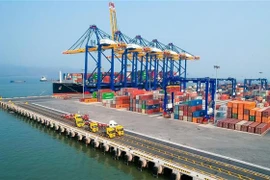
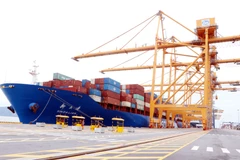
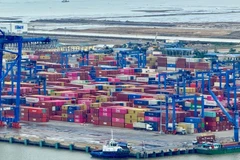
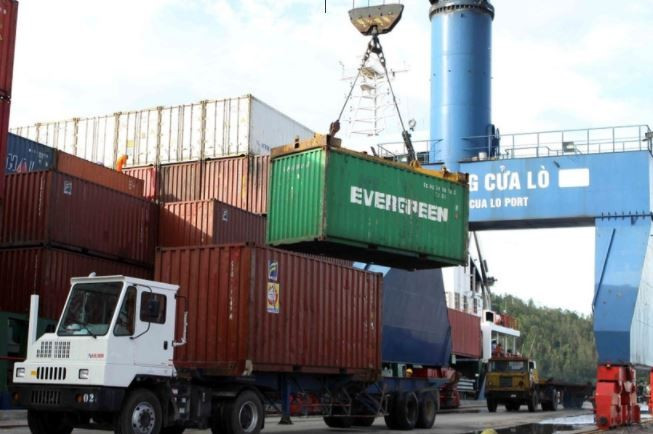
On the demand side, growth was bolstered by both domestic and external factors. Final consumption increased substantially, driven by stable household consumption and sharply higher government spending. Tourism continued its explosive recovery, with international visitor arrivals jumping 20.7% in the first half compared to the same period last year. External trade remained dynamic, with total export turnover reaching 219.8 billion USD in the first six months, up 14.4% year-on-year.
Mounting pressure for second half
Despite the strong foundation, Hanh acknowledged that the 7.52% first-half growth rate, while close to the projected 7.58% target, represents only the necessary condition for achieving the 8% annual goal. Maximising all available growth drivers in the remaining months is the pathway to actually hitting the target.
She identified public investment as the most crucial driver for the second half, with the Government taking drastic actions towards 100% disbursement of the funds, particularly for key infrastructure projects. Other critical factors include accelerated science – technology development, digital transformation, and innovation, the areas where AI and digitalisation are expected to help businesses reduce costs and enhance productivity and competitiveness. Regarding credit growth, the 16% expansion target for the year will provide abundant capital for business, production, investment, and consumption. Additionally, domestic consumption is expected to benefit from a 2% VAT reduction effective from July 1 and many other support initiatives.
However, significant challenges could threaten the economic growth trajectory, Hanh said, stating external risks include escalating geopolitical tensions, investment, and supply chains. International organisations have downgraded global growth forecasts, and weak commodity demand could impact Vietnam's key export industries including textiles, wood products, and electronics. Furthermore, reciprocal tariffs from major partners could exert pressure on exports. Domestically, industrial production recovery remains fragile, with some key sectors showing signs of fatigue due to stagnant orders and intense competition. Public investment disbursement has been hammered on account of land clearance issues and legal procedures. Domestic purchasing power has yet to recover strongly as consumers remain cautious about spending amidst inflation concerns.
Solutions for year-end sprint
To overcome these obstacles, Vietnam must maintain macroeconomic stability and carefully manage inflation. Hanh laid stress on the need for cautious and flexible management of monetary and exchange rate policies to maintain market confidence. A key strategy moving forward is the acceleration of technological innovation, digital transformation, and R&D investment, she said, promoting disbursement of public capital through removing all bottlenecks is crucial.
In terms of exports, she highlighted the need to fully capitalise on the benefits of FTAs. Trade promotion efforts must be ramped up, with an emphasis on diversifying both markets and products to sustain export growth. This will also require improvements in the investment environment, including simplifying administrative procedures and prioritising high-quality FDI projects that can connect with local businesses. Additionally, market purchasing power must be strengthened through enhanced consumer stimulus programmes and robust development of tourism and services.
The country must also proactively respond to global volatility by enhancing analytical and forecasting capabilities and building flexible response scenarios to minimise negative external impact, she added./.