Hanoi (VNA) – Nestled in the heart of Vietnam’s Central Highlands, Gia Lai aspires to become a must-visit spot on the regional tourism map. With its majestic natural landscapes, distinctive indigenous cultural heritage and friendly people, the province is striving towards sustainable tourism development, offering visitors unique and emotionally enriching experiences.
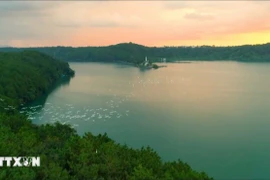
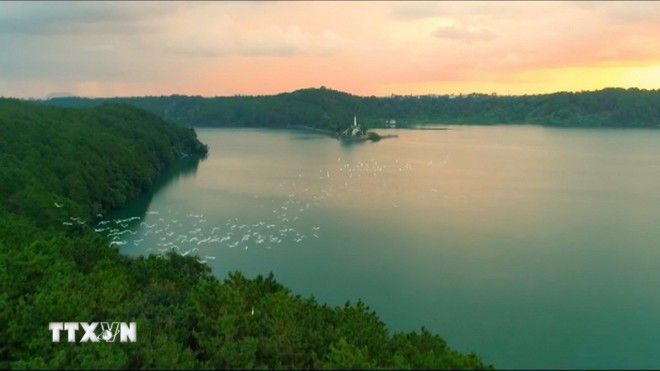
Gia Lai is endowed with both grand and poetic scenery. T’Nung Lake – often referred to as the “eyes of Pleiku” and one of the province’s most recognisable symbols, the spectacular Phu Cuong Waterfall cascading in white foam amid forested mountains, and Chu Dang Ya volcano, which attracts visitors during the wild sunflower season each November and December, together with the vast green tea hills atop Bien Ho Che, all combine to create a captivating natural panorama.
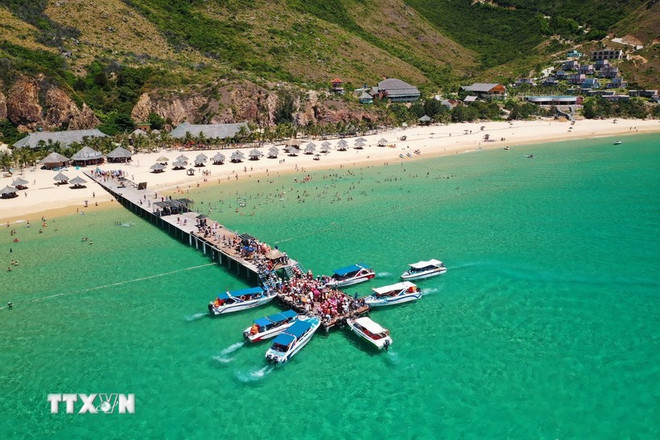
In November 2025, Quy Nhon was named among the Top 25 destinations in the world for 2026 by the Australian travel magazine Lonely Planet. At the end of January, during the 45th ASEAN Tourism Forum, Quy Nhon was also honoured with the ASEAN Clean Tourist City Award 2026, marking the third time it has received the title.
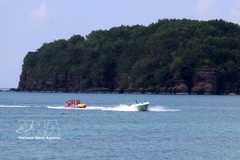
Regarded as a “muse” of the province, Quy Nhon boasts long, gently curving coastlines, fine golden sand and crystal-clear waters. Its tranquil and unspoilt beauty gives Quy Nhon a distinctive appeal among travellers.
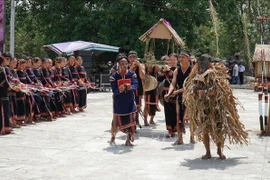
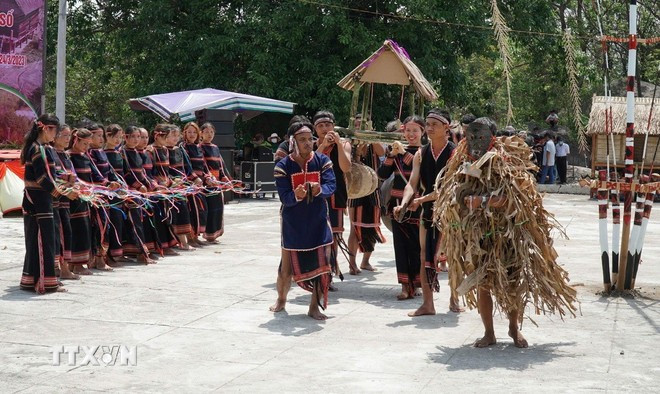
Beyond its natural attractions, Gia Lai preserves long-standing cultural traditions of indigenous ethnic groups such as the Jrai and Bahnar. The Central Highlands gong cultural space, recognised by UNESCO as an intangible cultural heritage of humanity, remains a source of pride for the region.
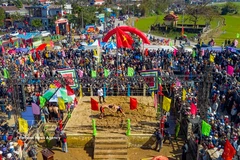
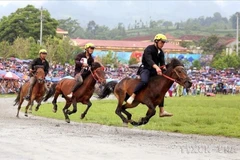
Traditional festivals, including new rice celebrations and rain-praying ceremonies associated with gong culture, contribute to Gia Lai’s raw charm and strong Central Highlands identity.
Visit Vietnam Year 2026 themed “Gia Lai – Mountains embrace the sea”, holds special significance for the province’s sustainable development, built upon the preservation and promotion of cultural identity, heritage, ecological values and landscapes, alongside environmentally friendly and smart tourism initiatives.
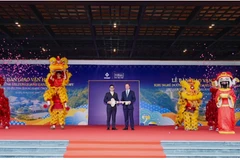
The year-long programme is scheduled to open in Quy Nhon ward in March, with a lineup of 244 tourism, cultural, and sports activities. Of these, 18 events will be led by the Ministry of Culture, Sports and Tourism, 109 hosted by Gia Lai, and 117 contributed as supporting activities by other provinces and cities. The closing ceremony is planned for late December in Pleiku ward.
A wide range of activities, including festivals, cultural and sporting events, promotional campaigns, market linkages, investment promotion, community-based, creative, and experiential activities, will be structured around quarterly themes to maintain momentum and broad appeal.
The event is expected to promote Gia Lai’s tourism products, as well as Vietnam’s tourism image to international audiences, attracting more visitors for sightseeing and cultural experiences. It is also anticipated to drive growth in Vietnam’s tourism sector, particularly in Gia Lai, in terms of scale, service quality and the expansion of both domestic and international visitor markets.
Riding strong momentum from last year, Vietnam aims for 25 million foreign tourist arrivals and 150 million domestic visitors in 2026./.