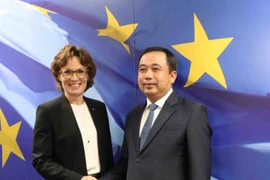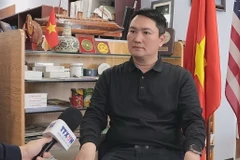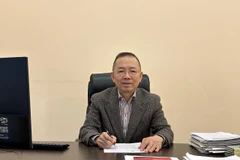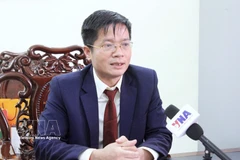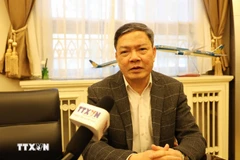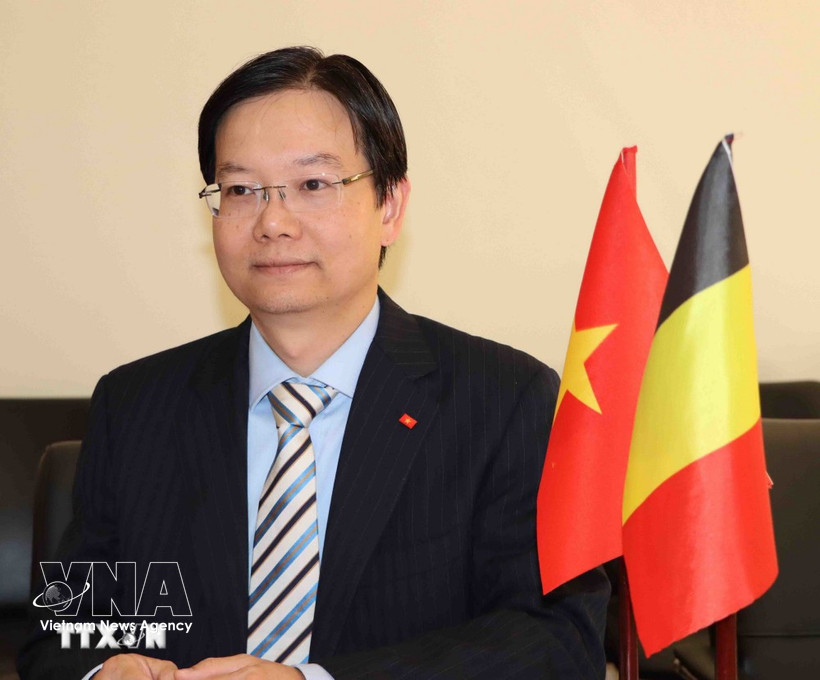
Brussels (VNA) – Belgian enterprises need to strengthen their on-the-ground presence and engage more actively in major trade fairs in Vietnam to bring their products closer to local businesses and consumers, Tran Ngoc Quan, Trade Counsellor and head of the Vietnam Trade Office in Belgium and the EU has said.
Speaking to the Vietnam News Agency (VNA)’s correspondent in Brussels, Quan said that in addition to seeking supply partners in Vietnam and optimising production costs, Belgian firms should enhance customer care activities in the Southeast Asian country to improve competitiveness.
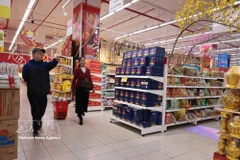
Several of Belgium’s key export items, notably chocolate and processed potato snacks, have gained popularity among Vietnamese consumers. It also boasts strong advantages in hi-tech agriculture and environmentally friendly products, which match the trend of sustainable consumption and Vietnam's development orientation for the years ahead.
However, he pointed out, high prices remain the biggest barrier. Transportation costs from Europe to Vietnam and other related expenses often make Belgian goods less competitive compared to products from other markets, especially given Vietnam’s income average.
Vietnam is also a highly open and competitive market, offering consumers easy access to goods from various countries, he added.
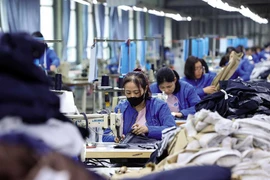
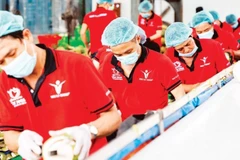
In contrast, Vietnamese goods enjoy considerable advantages in the Belgian market. With a strong export orientation, many Vietnamese products meet local consumer demand. Fresh agricultural produce, seasonal fruits and industrial goods have received positive feedback from Belgian partners when introduced.
A key factor underpinning this advantage is the EU – Vietnam Free Trade Agreement (EVFTA), now in its sixth year of implementation. Most Vietnamese exports to Belgium and the EU are subject to zero import tariffs, creating an increasingly clear competitive edge in Europe, according to the Trade Counsellor.
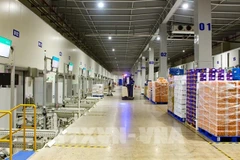
Nevertheless, the path to the Belgian market and the wider EU remains challenging. Distribution is largely dominated by major retail chains, requiring Vietnamese enterprises to access these systems and comply strictly with quality, technical, environmental and sustainability standards.
Emerging regulations on product life-cycle monitoring, “product passports” and recycling criteria will further raise requirements. Businesses must prepare thoroughly to secure a long-term foothold in Europe, he stated.
Overall, Quan noted that the economic structures of Vietnam and Belgium, as well as the EU, are complementary, providing a favourable basis for expanding cooperation. Strong political will from both sides and the gradual elimination of most tariff lines under the EVFTA offer additional momentum.
However, deeper and more sustainable market penetration hinges on improved access to importers and large distribution networks. As other countries may finalise free trade agreements with the EU in the coming years, Vietnam needs to act proactively by increasing participation in international trade fairs, stepping up trade promotion and organising product and regional festivals in key markets to enhance brand recognition.
Beyond meeting current standards, Vietnamese enterprises should embrace green, clean and efficient production models, with greater attention to recycling and product life-cycle management. Strengthening science and technology cooperation with the EU, a global leader in these fields, would also help improve product quality and increase added value, he suggested.
Entering 2026 – the first year of implementing the Vietnam – EU Comprehensive Strategic Partnership, the Vietnam Trade Office in Belgium and the EU views this as a pivotal time to inject new momentum into trade ties, Quan said.
He further shared that the office plans to build a database of EU food enterprises, coordinate in organising Vietnam Day and ASEAN Day events, enhance business connectivity, promote culture and tourism, and foster cooperation in green sectors such as ports, energy transition and hydrogen. It will continue supporting enterprises in partner search, verification and transaction facilitation while addressing any issues emerging to safeguard legitimate interests of relevant parties.
These efforts are expected to help Vietnam's trade relations with Belgium and the EU to develop more substantively, effectively, and sustainably in the coming time./.