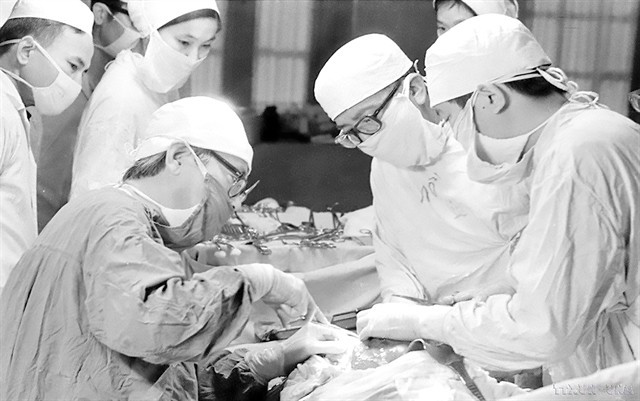
Hanoi (VNS/VNA) - The August Revolution of 1945 not only gave birth to a new nation but also marked the beginning of Vietnam’s health sector.
On September 2, President Ho Chi Minh declared independence at Ba Dinh Square, Hanoi, and introduced the Provisional Government, which included the Ministry of Health, affirming the role of healthcare in nation-building from the very start.
Medicine in wartime
From its earliest days, the health sector faced the dual challenge of combating disease while supporting the armed struggle. During the resistance wars against the French colonialists and later American forces, doctors, nurses and pharmacists embraced the motto: 'Everything for the front, everything for victory.'
Medical workers set up makeshift field hospitals in jungles and mountains, carried surgical kits on their backs, and braved bombing raids to reach the wounded. Many were both doctors and fighters, simultaneously treating patients and taking up arms.
Despite scarce resources, Vietnamese doctors pioneered innovations suited to the battlefield. Mobile surgical units, the development of antimalarial drugs and field blood transfusions saved tens of thousands of lives. These efforts helped reduce mortality rates on the front lines and sustained the fighting capacity of revolutionary forces until the nation’s final victory in 1975.
Building a health system
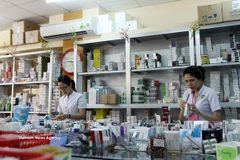
With reunification, the health sector faced a new mission of nationwide healthcare provision. Step by step, a network of facilities took shape – from central hospitals in Hanoi and Ho Chi Minh City to provincial and district hospitals, down to commune and village health stations.
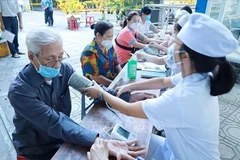
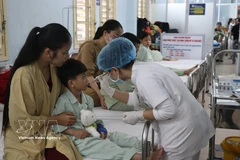
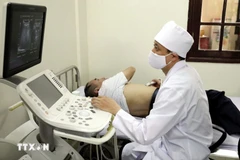
Prioritising preventive medicine, mass vaccination campaigns against smallpox, polio and other infectious diseases were launched, while health education promoted hygiene and nutrition. These measures laid the foundation for a robust primary care system, ensuring even remote communities gained access to basic services.
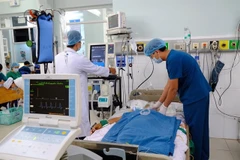
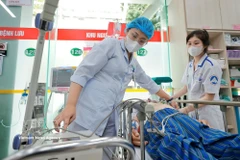
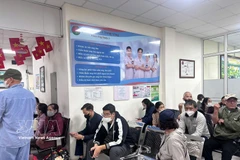
The hospital system has also expanded dramatically. From a handful of institutions in the 1950s, the network has grown to 1,718 hospitals by October 2024, including 384 private facilities. Every year, they provide outpatient services for more than 170 million visits and inpatient treatment for over 17 million patients.
Digital technology is transforming care by linking top hospitals with over 1,500 facilities nationwide, including remote highlands and islands.
Patients in mountainous provinces can now receive consultations from leading specialists in Hanoi or HCM City without leaving their homeland. Traditional medicine, deeply rooted in Vietnamese culture, has also been incorporated into the formal health system, complementing modern practice.
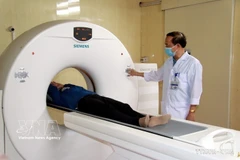
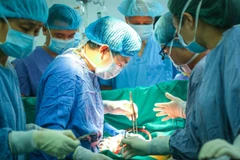
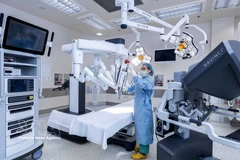
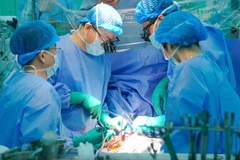
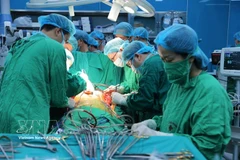
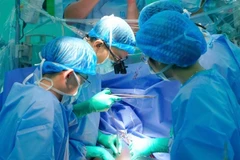
From once-limited beginnings, Vietnamese medicine now commands world-class techniques. Surgeons have successfully performed liver, kidney, heart and lung transplants, robotic-assisted spinal and orthopaedic surgeries, artificial heart implantation and stem cell therapies.
In vitro fertilisation centres in Vietnam boast success rates comparable to international benchmarks. Where once Vietnam sent doctors abroad to learn, its specialists now share expertise with peers from other countries.
Confronting epidemics
In 2003, Vietnam became the first nation declared by the World Health Organisation to have successfully contained SARS, after 45 harrowing days of battling the epidemic.
Progress in HIV/AIDS prevention has been equally significant. Since the early 1990s, Vietnam has averted nearly one million infections and reduced AIDS-related deaths by around 200,000. In 2023, it became the Asia-Pacific leader in pre-exposure prophylaxis (PrEP) use, with more than 123,000 people accessing the service – 80% of them men who have sex with men.
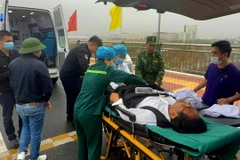
The COVID-19 pandemic presented an unprecedented challenge. Mobilising the entire political system, businesses, communities and international partners, Vietnam implemented strict quarantine, mass testing, rapid vaccination and innovative treatment protocols.
Through sustained efforts, with preventive medicine at the forefront, Vietnam has made remarkable progress in disease control.
The country has eradicated smallpox (1978), vitamin A deficiency-related blindness (1995), poliomyelitis (2000), neonatal tetanus (2005), lymphatic filariasis (2018) and, most recently, trachoma (2024).
Diseases that once spread widely, such as plague and cholera, have disappeared from national reports for many years. Other potentially devastating epidemics, including malaria, typhoid, acute diarrhoea, viral encephalitis, diphtheria, whooping cough and anthrax, have been kept firmly under control, preventing any major outbreaks.
Life expectancy has risen dramatically, from 40 years in 1960 to nearly 74 in 2020.
Child malnutrition rates have dropped, maternal mortality has been sharply reduced and the average height of young Vietnamese has risen steadily in recent decades.
Expanding health insurance
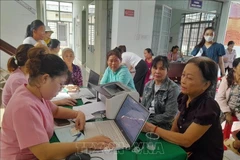
Access to care has widened alongside health insurance. In 2009, coverage stood at just 58% of the population. By 2023, this had risen to 93.35%, equivalent to more than 93 million people.
The number of insured medical visits has surged, from 88.6 million in 2009 to 174 million in 2023.
More than 12,800 facilities nationwide are contracted to provide services, including an increasing number of private hospitals and clinics. This expansion has helped ease the pressure on public facilities while giving patients more choice.
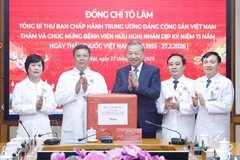
Party General Secretary To Lam has emphasised that healthcare is both a goal and a driving force for sustainable development.
The Government has been tasked with drafting a roadmap to gradually reduce patient costs, with the aim of universal free hospital care between 2030 and 2035. From 2026, all citizens will be entitled to annual health check-ups, with priority groups, such as the poor, war veterans, children and the elderly, receiving free treatment first.
Minister of Health Dao Hong Lan emphasised that the Party and State have consistently prioritised public health, making the protection, care and improvement of people’s well-being the foremost goal, with a commitment to ensuring 'no one is left behind.'
Vietnam is also recognised internationally as one of the few countries with a comprehensive healthcare network that extends to villages and hamlets, guaranteeing access to essential medical services for all.
The minister said the healthcare sector will continue to push for innovation and comprehensive development in the coming years, with a stronger focus on training, scientific research, management capacity and service quality.
She stressed that investment will be stepped up in grassroots healthcare and medical infrastructure to ensure equal access to services, particularly in remote and disadvantaged areas.
The ministry will also work to complete the institutional framework, tackling bottlenecks and creating more favourable conditions to better protect, care for and improve public health./.

Forum spotlights AI and digital innovation in healthcare
To achieve its goal of becoming a developed nation by 2045, Vietnam is prioritising the integration of AI and digital tools into the training of future doctors, said Assoc. Prof. Dr. Nguyen Viet Nhung, Dean of Medicine at University of Medicine and Pharmacy, Vietnam National University (VNU) Hanoi.