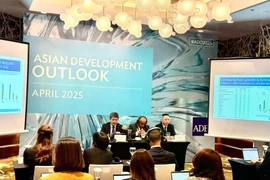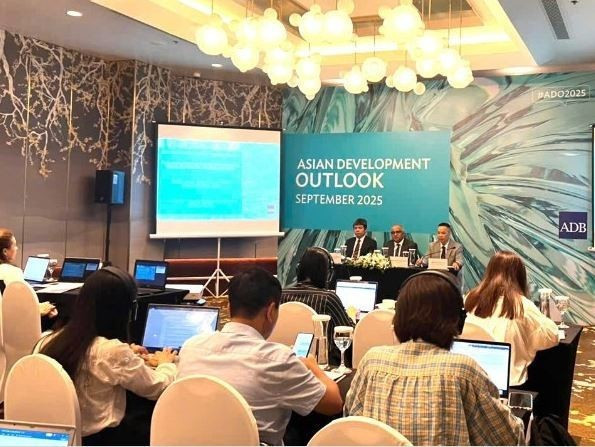
Hanoi (VNA) – Vietnam’s economic outlook for 2025 has been revised upward by the Asian Development Bank (ADB), which now expects the economy to expand by 6.7%, slightly higher than its April forecast of 6.6%.
At the same time, growth for 2026 has been revised down from 6.5% to 6.0%, reflecting a mix of favourable domestic drivers and global headwinds.
Despite challenges in the global environment, Vietnam’s economy has shown robust performance in the first half of 2025. Gross domestic product rose 7.5% year-on-year, the fastest pace for a six-month period since 2010. Industry and construction grew 8.3%, up from 7.5% in the same period last year, driven largely by the rebound of manufacturing and the rollout of major infrastructure projects.
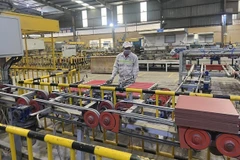
Industrial output is expected to climb 7.7% in 2025, underpinned by rising exports of manufactured goods. Foreign direct investment (FDI) remains a key driver. Disbursements reached 15.4 billion USD in the first eight months of the year, the highest level in five years. This inflow has not only boosted industrial activity but also encouraged domestic enterprises to enhance competitiveness.
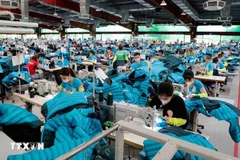
The services sector has also maintained solid growth momentum, with an estimated expansion of 7.4% in 2025. Banking, logistics, transport, communications, retail, and tourism are all contributing positively. Tourism, in particular, is rebounding strongly after the pandemic, fueling consumer demand and lifting related industries.
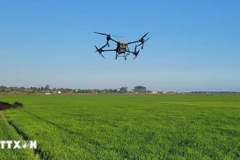
Agriculture, while growing at a more modest pace, is forecast to rise 3.4% this year. Higher demand for sustainable, high-quality food products and advances in smart farming technologies are expected to support both productivity and value creation in the sector.

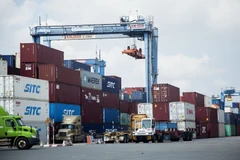
ADB’s outlook highlights that risks remain for Vietnam due to global uncertainty, including trade tensions. One key factor is the impact of 20% on imports and 40% on transshipments of US tariffs which could weigh on Vietnamese exporters in the short term amid ongoing supply chain disruptions.
Even so, ADB Country Director for Vietnam Shantanu Chakraborty noted that the upward revision for 2025 reflects resilient domestic demand and timely economic stimulus measures. Inflation is projected at 3.9% in 2025 and 3.8% in 2026, suggesting that price pressures will remain manageable despite tariff and exchange rate risks.
According to the ADB, Vietnam has room to maneuver. Public debt is currently below 34% of GDP, well under the statutory ceiling of 60%, allowing fiscal and monetary policies to stay supportive. Economists believe effective fiscal policy will be crucial in sustaining growth through 2026, particularly via public investment and social spending aimed at low-income households.
Targeted tax cuts, reduced compliance costs, and institutional reforms are also seen as important steps to enhance investment efficiency. Broader legal and regulatory reforms would not only strengthen Vietnam’s appeal to investors but also spur competitiveness and innovation in the private sector.
ADB analysts argue that Vietnam should move toward a more balanced growth model, with less dependence on exports and foreign investment. At present, domestic enterprises account for only 25–30% of total export turnover, underscoring the need to strengthen local businesses and expand their global footprint.
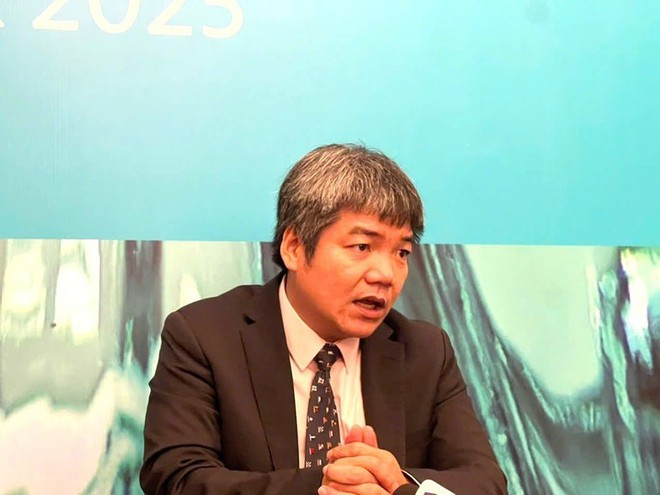
Nguyen Ba Hung, ADB’s chief economist in Vietnam, emphasised that science, technology, and innovation will be decisive in boosting competitiveness. Essential to long-term gains are stronger policies to develop key industries, research and development, and technology transfer.
While the growth outlook for 2025–2026 remains broadly positive, external risks persist. Tariff policies, international market volatility, and global supply chain disruptions all pose potential setbacks. To safeguard against these challenges, Vietnam is encouraged to continue institutional reforms, accelerate public infrastructure investment, and nurture a more competitive domestic private sector.
Analysts conclude that a more balanced growth path where domestic enterprises play a greater role alongside external drivers will help the country mitigate external shocks and lay the groundwork for a resilient and sustainable economy in the years ahead./.