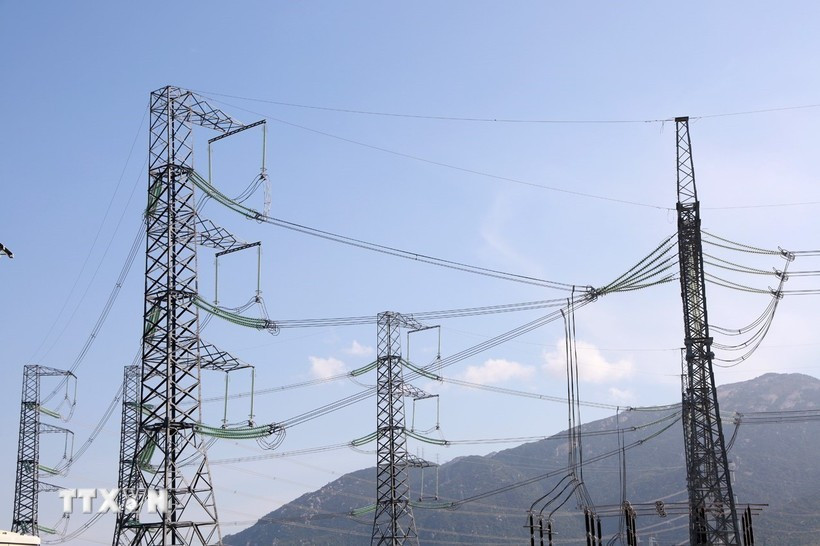
Kuala Lumpur (VNA) – Leaders and energy experts meeting at a forum on Malaysia’s energy transition and sustainability roadmap on February 5 reported tangible progress in developing a more interconnected power grid across Southeast Asia, highlighting Vietnam as a pivotal partner in the effort.
A key outcome was the launch of a power interconnection initiative linking Vietnam with Peninsular Malaysia. Led by Malaysia’s national oil company Petronas and state utility Tenaga Nasional Berhad (TNB), the project is regarded as a cornerstone in advancing the ASEAN Power Grid (APG), a long-term regional drive to bolster energy security while scaling up renewable energy use.
Specialists noted that the Vietnam–Malaysia–Singapore (VMS) offshore wind initiative is projected to deliver up to 2,000 MW of capacity and could come online around 2034, setting a new benchmark for cross-border electricity trade. To move the project forward, partners are undertaking in-depth feasibility studies, examining subsea cable installations as well as land-based routes through Cambodia and Laos to plug into the regional grid. Success, they added, hinges not only on infrastructure but also on close alignment of technical standards, regulatory regimes and business models.
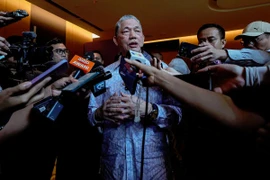
Speaking at the forum, Malaysian Deputy Prime Minister Fadillah Haji Yusof said transmission fees, grid standards and operational rules must be addressed collectively by ASEAN technical bodies and the ASEAN Secretariat to enable a truly integrated regional power market. Such coordination is increasingly urgent as countries like Vietnam and Malaysia grapple with the shared challenge of balancing energy security, affordability and environmental sustainability.
Kim-See Lim of the Asian Infrastructure Investment Bank (AIIB) underscored the role of neutral multilateral institutions in supporting cross-border projects such as the APG, helping convene governments, utilities and technology providers to ensure financial and operational viability. She added that clear policies and credible energy transition roadmaps would be critical in attracting long-term investment.
Beyond grid connectivity, participants said regional cooperation is also expanding to emerging technologies, including green hydrogen and carbon capture.
Experts cautioned that grid upgrades must go beyond adding transmission lines to include smart, flexible systems capable of integrating energy storage and managing the intermittency of renewables. The rapid uptake of electric vehicles is also placing new demands on power distribution networks, calling for strategic planning of charging infrastructure and wider adoption of time-of-use pricing to manage demand.
Although the concept of a unified ASEAN Power Grid dates back to the 1990s, speakers agreed it is now entering a more decisive implementation phase, driven by stronger political consensus and the momentum of the green transition. Regional interconnection, they said, offers not only economic gains through power trading but also deeper diplomatic ties and strategic cooperation within ASEAN.
The forum concluded that delivering this vision will require broad-based participation, from governments to the private sector, to ensure an inclusive energy transition. With coherent policies, advanced technologies and adequate financing in place, ASEAN partners voiced confidence in building a secure, clean and competitive energy future for the region./.