Hanoi (VNA) – The Ministry of Science and Technology’s decision to include blockchain-based origin traceability technology in the list of national strategic technologies is seen as a major step in shaping Vietnam’s digital future, experts have said.
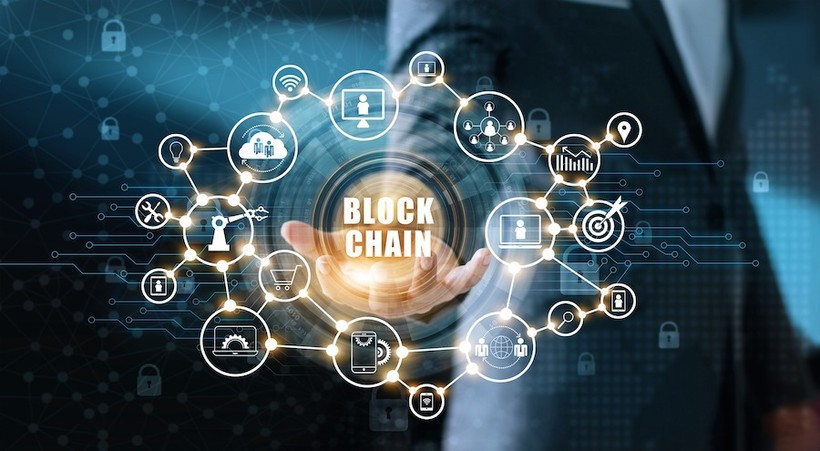
Blockchain is no longer simply a buzzword. Its recognition as strategic infrastructure underscores its growing role in ensuring data integrity, transparency, and trust across production, distribution, and consumption chains.
In the first five months of 2025, authorities handled more than 40,000 cases of smuggling, counterfeiting, and substandard goods, with fines totaling some 6.5 trillion VND (over 246.5 million USD). Food and pharmaceutical counterfeits remain among the most serious issues, threatening public health and undermining consumer confidence.
Against this backdrop, building a transparent, reliable traceability ecosystem is considered an inevitable trend. Such a system would not only protect consumers but also enhance the competitiveness of Vietnamese products in international markets, creating momentum for sustainable economic development.
Vietnamese businesses and localities have applied various tools to verify product origins, from holograms and breakable seals to QR codes, barcodes, SMS verification, and proprietary traceability platforms. However, most solutions remain fragmented, lacking a unified national identification standard.
This fragmentation has created data silos across ministries and sectors, making it difficult to monitor product quality and authenticity, particularly in the fast-growing e-commerce environment, where counterfeit goods can spread quickly.
According to Acting Director of the National Barcode Centre under the Ministry of Science and Technology Bui Ba Chinh, the absence of centralised databases and the weak linkage between traceability and quality inspection systems have left major gaps in market oversight.
Experts believed the blockchain technology can address these weaknesses. With its decentralised structure, blockchain eliminates single points of failure and ensures that every record from production to distribution is verified across multiple nodes, making tampering nearly impossible.
Nguyen Huy, Head of Technology at the National Data Association (NDA), said that blockchain will serve as the backbone connecting the State, businesses, and people in a secure and trusted digital ecosystem.
He stressed that adoption must be a top-down, nationwide policy to ensure interoperability, legal recognition, and broad participation.
At the national level, identifying blockchain as a strategic technology also opens legal corridors for research, mastery, and application across vital industries. This enables Vietnam not only to catch up with global trends but also to actively contribute to shaping international standards on data governance and digital trade.
Vietnam has already made strides. The National Product Traceability Portal went into operation in October 2024, and the NDA launched the National Platform for Identification, Authentication, and Traceability later that year. The NDAChain blockchain solution ensures that each product receives a unique identifier, with transparent and immutable verification processes.
The National Assembly has also approved amendments to the Law on Product and Goods Quality, effective from January 1, 2026, providing stronger legal foundations for risk management and digital transformation in quality control.
Hoang Tuan Anh, Chief Technology Officer of ECO Pharma, said that to maximise efficiency, the government's endorsement is essential, along with standardised codes, integrated databases, and real-time feedback mechanisms between consumers, distributors, and regulators.
Ultimately, blockchain-enabled traceability does more than protect health and safety, it builds consumer trust and elevates the value of Vietnamese goods in global supply chains. In the era of digital transformation, blockchain stands out as a critical tool for creating a transparent, reliable, and sustainable economy where all stakeholders can participate and benefit./.