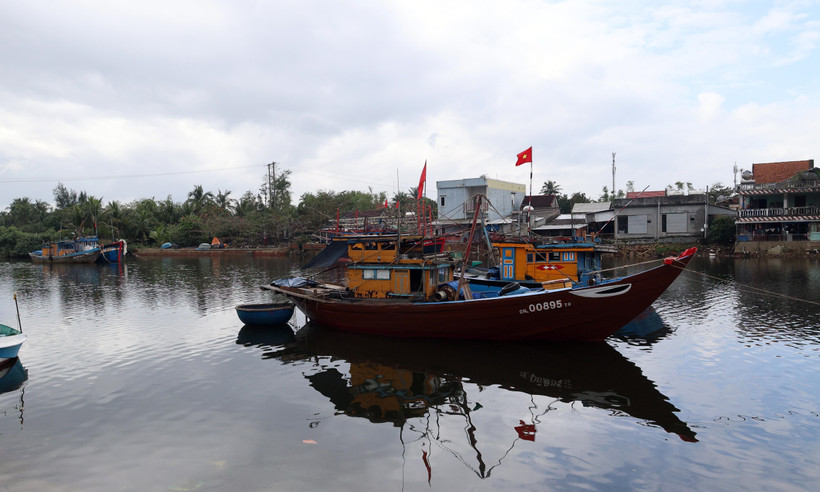
Da Nang (VNA) – In the central city of Da Nang, small fishing boats working in nearshore waters make up about 57% of the local fleet, putting significant strain on coastal resources and biodiversity, necessitating timely policies to support job transitions, remove non-compliant vessels, and encourage deep-sea fishing.
Urgent need for transition
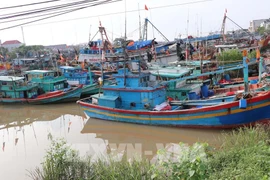
Long Thanh, a coastal village in Tam Xuan commune, relies largely on small nearshore trawlers that operate on day trips and indiscriminately harvest marine species.
Village head Tran Dac Cu said Long Thanh has 30 such vessels operating mainly from Cu Lao Cham Island to the Ky Ha estuary. Although fishermen recognise the destructive nature of this method, many cannot afford to switch jobs as new gear costs tens to hundreds of millions of dong and deep-sea operations require professional certificates.
Tam Xuan commune has more than 280 fishing vessels, including 107 operating nearshore, of which 49 are trawlers.
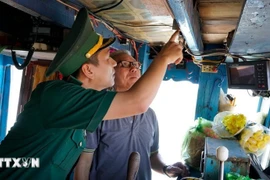
Vice Chairman of the commune People’s Committee Doan Van Linh said fleet restructuring is urgent, noting that many “three-no” vessels – lacking registration, inspection and licences – have been forced to remain idle. With appropriate support, fishermen are willing to dismantle vessels that fail to meet anti-IUU fishing requirements.
Surveys show broad agreement on occupational transition, with some fishermen seeking aquaculture, fisheries logistics or coastal tourism, while older boat owners prefer support for vessel dismantlement and alternative livelihoods, he noted.
Similar challenges exist in Duy Nghia commune, which is near the Cua Dai estuary and has 106 nearshore vessels.
Veteran fisherman Phan Ngoc Nga said nearshore catches have declined sharply due to overfishing and encroachment by larger vessels. He called for flexible policies, particularly training and certification support for younger fishermen to shift towards sustainable deep-sea fishing.
Policy expectations
Da Nang boasts a 228km coastline and diverse marine ecosystems, including coral reefs and seagrass beds habouring over 670 valuable species.
Nguyen Van Vu, Deputy Director of the Cu Lao Cham Marine Protected Area Management Board, stressed that seagrass beds serve as critical spawning and nursery grounds. Excessive nearshore fishing, especially trawling, destroys juvenile marine species before they reach commercial size.
The city currently has 4,043 fishing vessels, including 2,310 vessels between 6 – under 12 metres long (57%) operating nearshore, 543 vessels of 12–under 15 metres (13%) in inshore waters, and 1,190 vessels of 15 metres or longer (29%) working in deep-sea areas.
Vo Van Long, head of the municipal sub-department of seas, islands and fisheries, said the local fleet is unbalanced, with an excess of small nearshore boats and 86 trawlers that could harm the environment.
To address this, the Da Nang People’s Committee is drafting a resolution on fisheries development support for 2026–2030, expected to be submitted to the municipal People’s Council in 2026. With an estimated budget of over 60 billion VND (2.3 million USD), the policy focuses on hull insurance, vessel monitoring systems, dismantling of non-compliant vessels and occupational transition.
Planned measures include additional hull insurance subsidies for vessels, support for installing monitoring equipment, dismantlement assistance of up to 100 million VND per vessel, and financial support for converting from trawling to permitted fishing methods. The policy aims to develop a modern and sustainable fisheries sector that protects marine ecosystems, improves fishermen’s incomes and social welfare, reduces nearshore fishing pressure and promotes responsible deep-sea exploitation.
Coastal communities are hopeful it will be approved and implemented swiftly, contributing to legal and sustainable fisheries development./.
IUU fishing combat: Quang Ninh completes fishing licence issuance ahead of schedule
A local official stressed that fighting against IUU fishing is not merely to meet EC requirements, but a long-term task aimed at protecting aquatic resources and restructuring the fisheries sector towards sustainability and a high sense of responsibility.