VNA



Ben En National Park in the central province of Thanh Hoa has implemented a wide range of scientific studies and conservation projects aimed at safeguarding biodiversity, particularly rare and endangered wildlife species.
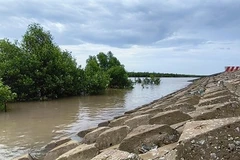
Solutions have been designed to suit local geological and hydrological conditions, combining traditional hard engineering works such as dykes and revetments with soft, nature-based and ecological solutions, including mangrove restoration.

According to the Ta Dung National Park Management Board, the park has for years served as a trusted destination for authorities and residents to hand over and release wildlife. Such actions not only contribute to biodiversity conservation but also help reduce illegal hunting and captivity of wild animals.
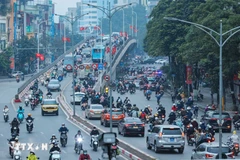
The system can forecast air quality trends over time and across locations, helping authorities guide and implement pollution control measures.
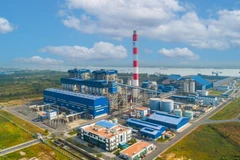
The rate of fly ash utilisation has steadily increased over the years, to 84% in 2021 from 37.5% in 2018. During 2022–2023, many plants managed to consume 100% of the daily fly ash produced while also processing a significant portion of long-stored stockpiles.
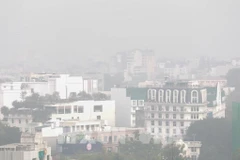
Hanoi has affirmed its commitment not to trade environmental protection for economic growth. The city is moving to establish low-emission zones (LEZs) as a core measure to control emissions and promote green, sustainable urban development.

Localities are requested to encourage the participation of mass organisations, schools, businesses, armed forces and communities, while enhancing public responsibility for caring for and protecting trees after planting.
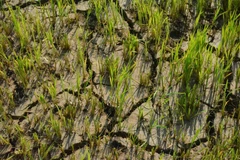
Preventing and combating desertification is identified as a key task, helping with nature and biodiversity conservation, sustainable management of forests, water and land resources, and improvement of people's incomes and life quality.
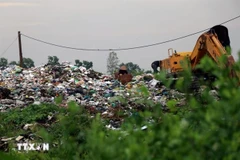
The waste-to-energy plant is planned for construction in Dat Moi commune, covering a total area of about 20 hectares. It will have a waste treatment capacity of approximately 600 tonnes of household waste per day and a power generation capacity of 6MW.
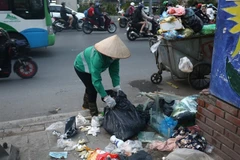
Under the new rules, household waste must be separated at source into recyclable materials, food waste and hazardous waste.
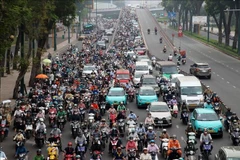
Together with metro expansion, HCM City will continue to enlarge its electric and green bus network, targeting a public transport share of 15–20% of travel demand.
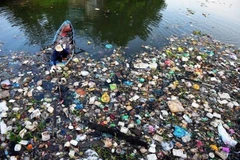
Vietnam produces nearly two million tonnes of plastic waste each year, most of it unrecycled. Interviews with young consumers and environmental experts reveal why regulation alone has struggled to curb a problem rooted in daily habits and low-cost plastic.

With temperatures hovering between 1 and 3 degrees Celsius, frost and ice covered the summit area, creating an ideal condition for tourists eager to admire icy scenery, clouds and experience a Christmas atmosphere amid a sea of cold mist.
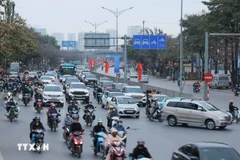
A substantial share of vehicles currently in use, especially motorcycles in use for years without routine checks or upkeep, are aging fleets that rank among the biggest emitters.
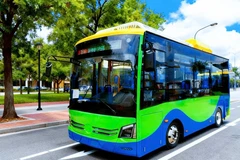
Electric bus Route No. 173 runs through 39 passenger pick-up and drop-off points, directly linking two locations with high travel demand — Con Dao Airport and Con Dao Market.
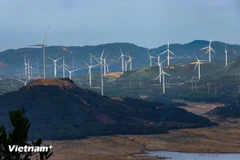
Representatives of energy, coal – mineral, cement, and building materials enterprises said that the implementation of emission quota allocation must strike a balance between emission reduction targets and the maintenance of growth momentum.
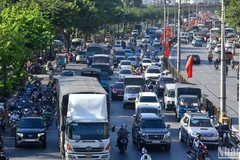
In 2025-2026, the “For a Green National Environment” programme will pivot around six tasks that merge expertise with broad social outreach, including targeted communications, "Journey to Net Zero" conferences and trainings, ESG surveys and announcements, a "National Green Ambassador" contest, a "Green Fashion" design competition, and the rollout of "National Green Station" models focused on zero-waste living.
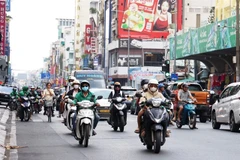
Under the proposed natural resources and environmental monitoring programme for next year, the city would operate 157 air quality monitoring points, 254 surface water monitoring points, 41 groundwater monitoring points, 54 soil monitoring points and 31 seawater quality monitoring points.
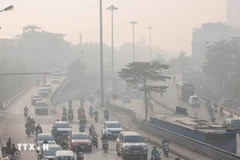
In a move to reduce air pollution and promote green mobility, Hanoi has approved a plan to deploy 5,000 public electric bicycles, alongside restrictions on petrol- and diesel-powered vehicles in the city’s central area.

As of the end of last month, the East Sea had seen 15 typhoons and six tropical depressions, making it the year with the highest number of typhoons and tropical depressions on record, surpassing the previous record of 20 in 2017.