HCM City (VNS/VNA) - Facing mounting pollution pressures as it races towards megacity status, Ho Chi Minh City plans a sweeping expansion of its environmental monitoring network next year, proposing hundreds of additional stations to track air quality, ground subsidence and water conditions across the southern hub.
The plan is outlined in a report by the HCM City Department of Agriculture and Environment, submitted to the municipal People’s Committee. The report reviews this year’s environmental quality monitoring, groundwater resources, and discharge source supervision, and sets out the programme for next year.
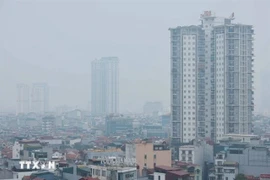
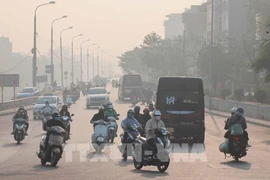
According to the department, pressure on air quality is intensifying. Monitoring results from 2021 to 2025 show that dust pollution and noise frequently exceed regulatory standards.
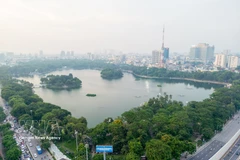
Water quality remains complex and unstable. Organic, nutrient and microbial pollution continues in many locations, particularly along river sections running through urban areas, concentrated industrial zones and sites receiving wastewater discharges.
Canals and creeks throughout the city are described as severely polluted, affecting urban aesthetics, public health and aquatic ecosystems. Coastal waters are also increasingly influenced by maritime transport, tourism and seafood processing activities.
As the city targets megacity status in the 2026–2030 period, officials say ensuring a high quality of life is essential to attracting international financial institutions, major economic groups and high-calibre talent.
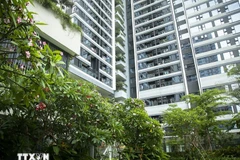
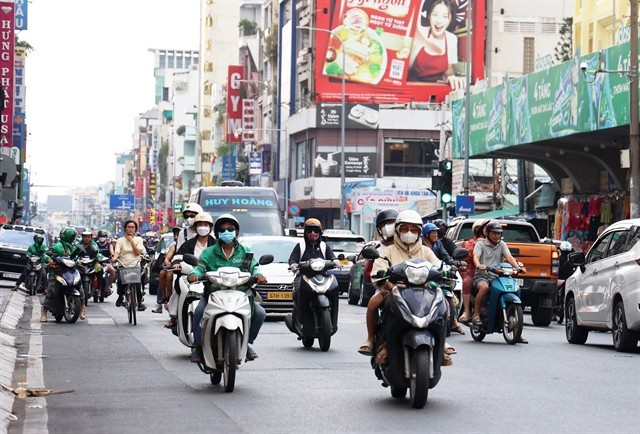
The challenges have been compounded since the merger that brought the city’s population to around 14 million, alongside nearly 12.7 million vehicles, excluding those owned by residents from other provinces. Rapid urbanisation and industrialisation have further intensified environmental pressures.
Under the proposed natural resources and environmental monitoring programme for next year, the city would operate 157 air quality monitoring points, 254 surface water monitoring points, 41 groundwater monitoring points, 54 soil monitoring points and 31 seawater quality monitoring points.
The plan also includes 79 land resource monitoring points, 18 river and canal aquatic biology monitoring points, two ground subsidence monitoring stations and three stations dedicated to managing, operating, maintaining and servicing automatic air quality monitoring systems.
In parallel, the department plans to develop programmes to manage and operate continuous automatic discharge source monitoring stations and online image surveillance systems.
Data from the Southern Ground Resources Planning and Investigation Federation show that between 2005 and 2017, HCM City subsided by more than 23cm, an average of nearly 2cm a year, with many areas exceeding 10cm per decade.
An Lạc ward recorded the most severe subsidence at 81cm, around three times the city average. Numerous structures in the ward have tilted, cracked and sunk over time. /.
Environment ministry, Vingroup shake hands to improve urban air quality
The two sides will collaborate on air quality monitoring and improvement, promoting green growth and sustainable transportation, reducing greenhouse gas emissions, and developing a carbon market.