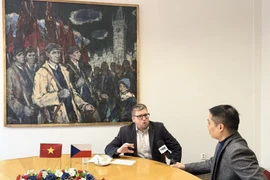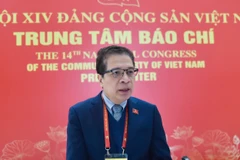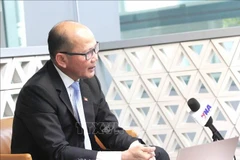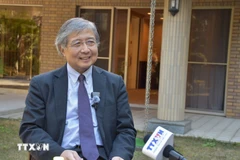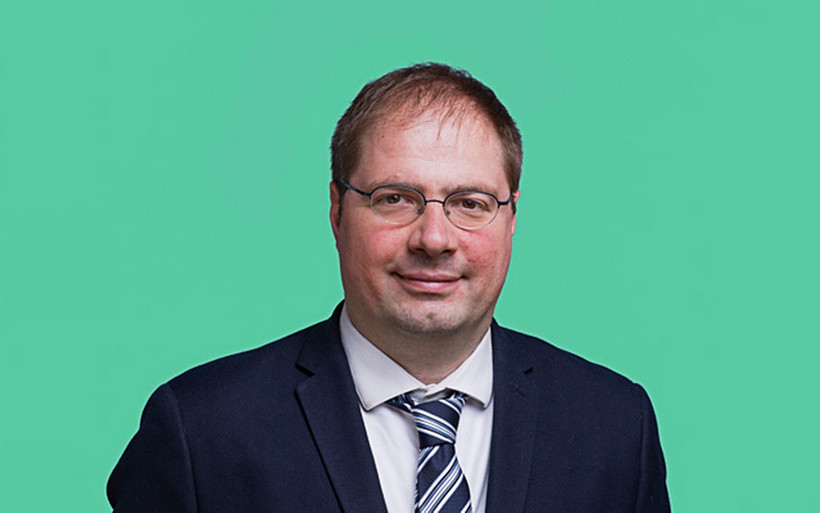
Paris (VNA) – The 14th National Congress of the Communist Party of Vietnam (CPV) is a strategically significant milestone for the Southeast Asian country’s future amid an increasingly volatile international context, Vincent Boulet, head of external relations of the French Communist Party (PCF), told Vietnam News Agency correspondents in Paris.
Boulet said that since gaining independence and under the leadership of the CPV, Vietnam has undergone an exceptionally impressive development journey. The country eradicated extreme poverty as early as the 2010s and is now recognised by international organisations as a model for economic development combined with high human welfare indicators.
The PCF official also expressed particular admiration for Vietnam’s achievements in education, infrastructure modernisation, the building of a modern healthcare system, as well as its well-planned approach to ecological policy, institutional reform and economic modernisation.
He stressed that the PCF highly values these accomplishments, describing them as “truly exemplary and heroic”, and looks forward to the CPV entering a new stage of socio-economic development as it moves towards the centenary milestones of the Party’s founding and the nation’s establishment.
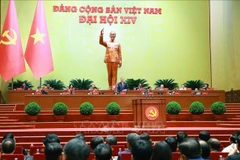
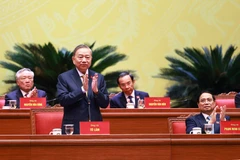
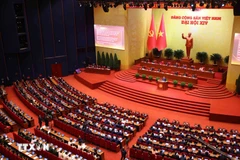
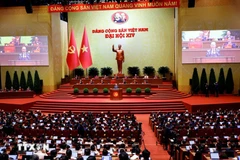
According to Boulet, the participation of 1,586 delegates representing more than 5.6 million Party members at the 14th National Congress is vivid evidence of the strength and unity of the CPV. He voiced confidence that the sound decisions adopted at the congress will practically serve the interests and the lives of the Vietnamese people.
At a time when international law and the United Nations Charter face numerous challenges, he underscored the emphasis on strategic autonomy in the congress documents as the foundation for deeper integration without dependence. This represents a new development in Vietnam’s foreign policy thinking, demonstrating the CPV’s ability to renew its perspectives and propose appropriate solutions in response to global risks and crises.
Touching on relations between the two parties, Boulet affirmed that the PCF has always stood side by side with the CPV in the struggle to gain and safeguard Vietnam’s independence and unity. The two sides share a special history of solidarity forged and strengthened through the fight against colonialism, for peace and for the rights of peoples. Today, this solidarity continues to be reinforced and has become even more meaningful in the new international context, marked by risks and uncertainties facing the Vietnamese people, the French people and nations worldwide.
He noted that the shared commitment of the two parties to peace, collective security and human security, as well as to multilateralism in international relations, was clearly reaffirmed at their theoretical seminar held in October 2024. On that basis, decentralised cooperation will continue to be promoted, alongside efforts to encourage economic cooperation aimed at sustainable development and the effective implementation of the goals of the Vietnam-France comprehensive strategic partnership.
Boulet stressed that theoretical cooperation between the PCF and the CPV plays an important role in identifying requirements and shaping the content of a new model of international cooperation among communist parties. This model, grounded in respect for each Party’s specific characteristics in the current global context, will help enhance the effectiveness of parties’ contributions to the interests of independent, sovereign and united nations./.