Hanoi (VNA) – The industry and trade sector emerged as a central driver of national growth during the 2021–2025 period, delivering robust gains that underscore its pivotal role in the economy, said Deputy Minister of Industry and Trade Phan Thi Thang on the occasion of the 14th National Party Congress.
The performance laid a solid foundation for accelerated progress toward an independent, self-reliant and modern economy with deep integration into the world, enabling Vietnam to move confidently into a new era of development.
A sweeping imprint
Thang affirmed that the sector made highly significant, comprehensive, and foundational contributions to socio-economic development over the past term.
It proactively provided advice on key policies and mechanisms to spur economic, industrial, trade and investment activities, resolved major bottlenecks, and assisted the Party Central Committee, National Assembly and relevant authorities in issuing critical resolutions and conclusions that propelled growth.
The sector remained a primary engine of growth, advancing development goals focused on self-reliance, modernisation, green transition, digital transformation, and broad and effective international integration.
In particular, industry, energy and trade were identified as material pillars of an independent and self-reliant economy deeply embedded in global markets. Legal frameworks were updated for greater coherence, transparency and alignment with international norms, thus improving the business environment and bolstering investor confidence.
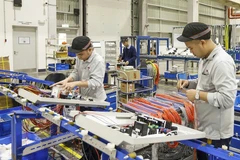
Despite the COVID-19 pandemic and global slowdown, industrial production rebounded strongly, posting average annual growth of more than 6%. The processing and manufacturing segment, the economy's backbone, outperformed the broader average and expanded nearly 1.5 times its size from the term's start.
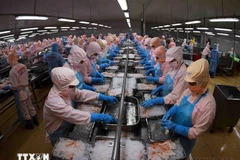
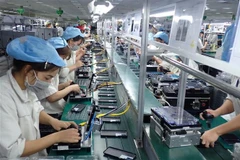
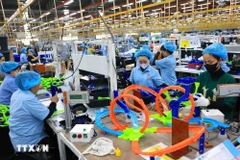
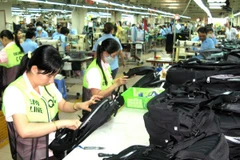
At the same time, the deputy minister said, the industrial structure shifted positively, with less dependence on raw material extraction and greater emphasis on deep processing and higher-value, technology-intensive products. Key industries such as electronics, apparel, footwear, and agro-processing not only retained their dominance but also deepened integration into global value chains, signaling enhanced capabilities among Vietnamese firms.
A key strategic success was maintaining national energy security amid rising demand and the global energy transition. Policies and institutional framework were refined, major projects advanced, and a more diversified and flexible energy system took shape.
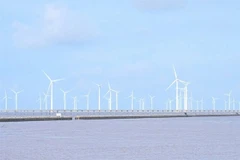
Vietnam's power system now ranks among the global top 20 and leads Southeast Asia in scale. The energy mix has greened rapidly, with renewables gaining share while conventional sources ensure stability and reliability. The enforcement of the revised Electricity Law and the Power Development Plan VIII paved the way for a more competitive and transparent energy market in the coming years.
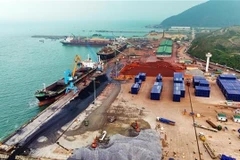
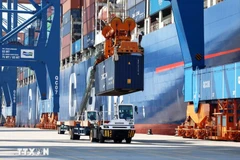
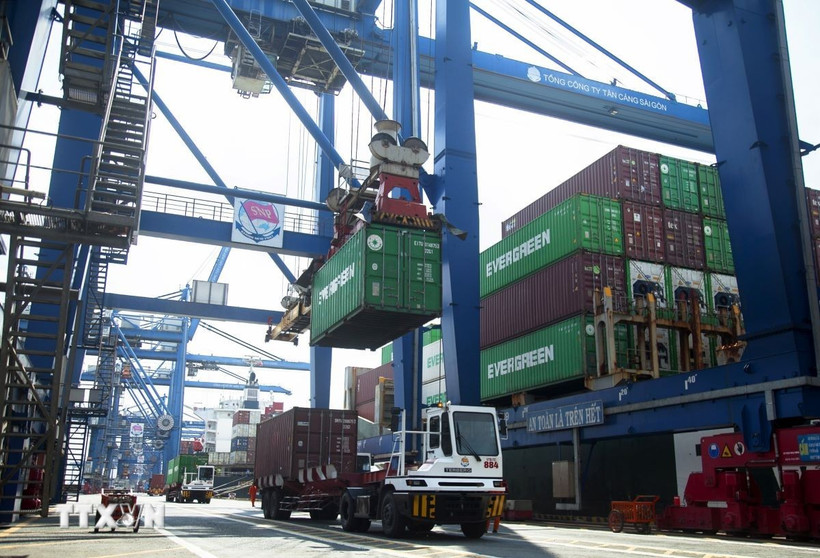
The 2021-2025 period saw Vietnam's foreign trade post record highs, she noted, adding that total turnover in 2025 alone is estimated to surpass 930 billion USD, roughly double the level at the term's outset.
The country has sustained a trade surplus for 10 straight years, bolstering macroeconomic stability, foreign reserves and national credibility. Trade growth quality steadily improved, shifting toward processed, manufactured and high-tech items, while imports supported domestic production.
Notably, Vietnam’s entry into and effective delivery of 17 free trade agreements (FTAs) expanded market access, diversified export destinations, reduced reliance on traditional partners, and strengthened resilience against external shocks.
Domestic retail sales and consumer services grew solidly, averaging over 8% annually despite pandemic fallout and global price volatility.
The sector also secured supplies of essentials and flexibly managed prices for key items like fuel, electricity and food, stabilising lives and supporting production and trade. E-commerce surged with double-digit growth, placing Vietnam among the world's fastest-growing digital retail markets and accelerating digital transformation across businesses, according to Thang.
A strategic shift
Looking ahead, she went on, the sector will focus on thinking renewal and industry – trade restructuring toward higher productivity, quality, value addition, and competitiveness. Science – technology, innovation, digital transformation, green transition, and private sector development will serve as main engines.
Foundational and strategic industries will also move forward, with efforts to master technologies in selected emerging fields and attract investment for modern, green and digital energy, industrial, trade and logistics infrastructure aligned with integration demands.
International economic integration will be enhanced alongside economic restructuring and growth-model reform. FTAs will be leveraged more effectively, legitimate trade defence tools ramped up, markets and supply chains diversified to reduce overdependence, and trade promotion, e-commerce and digital economy initiatives renewed. A shift to post-production inspection, risk-based and standards-driven regulation will create a more transparent and conducive business climate.
The sector will continue pursuing self-reliance, modernisation, green transition, digital transformation and extensive integration into the world while developing flexible policies and sandbox mechanisms to clear obstacles, pool resources and drive coordinated and modern infrastructure development in energy, industry, logistics and trade, Thang added./.