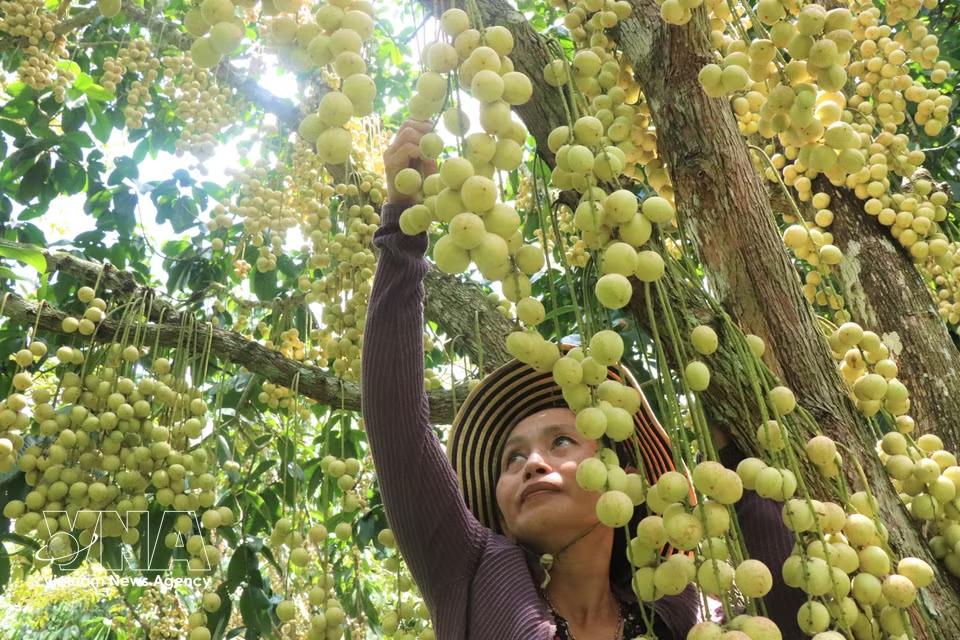
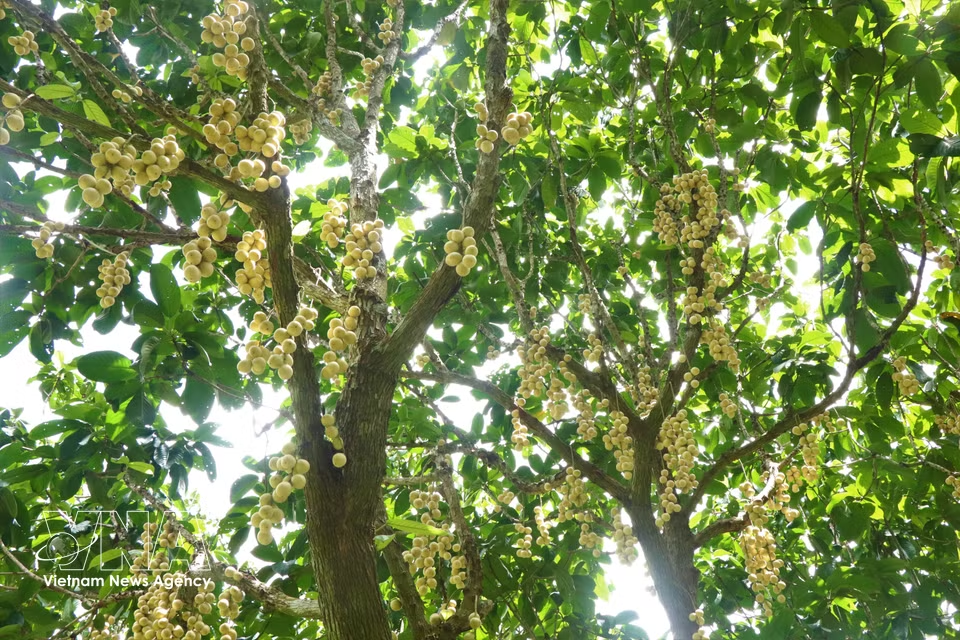
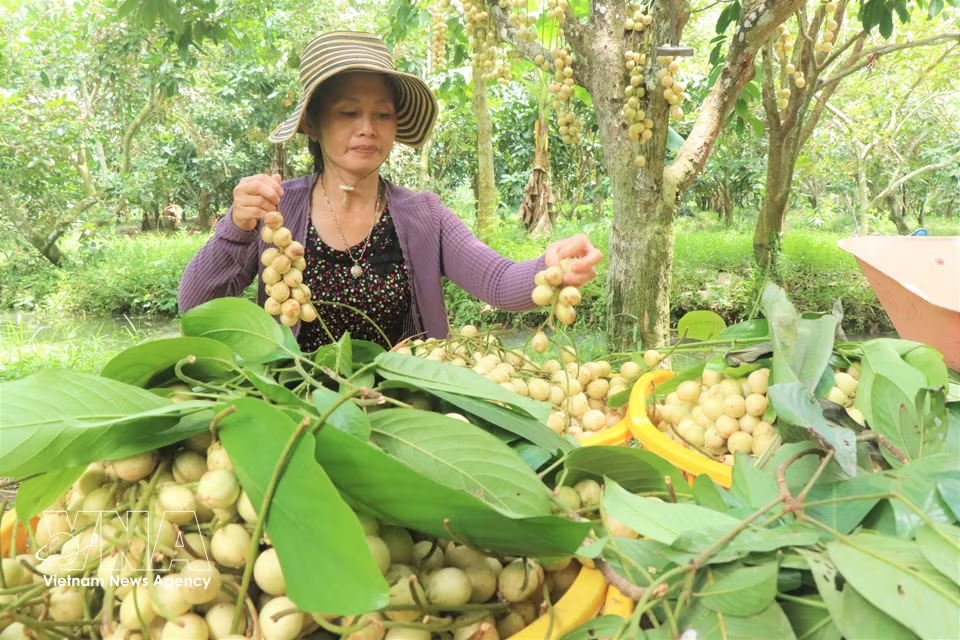
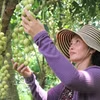
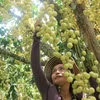
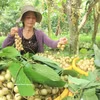
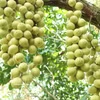
Le Ngoc Bich's family is among the few households still cultivating Ha Chau Burmese grapes in Nhon Ai commune. (Photo: VNA)
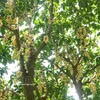
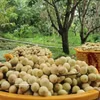
According to local growers, Ha Chau Burmese grapes require relatively little care and low spending on fertilisers and crop protection products, making them a profitable crop. (Photo: VNA)
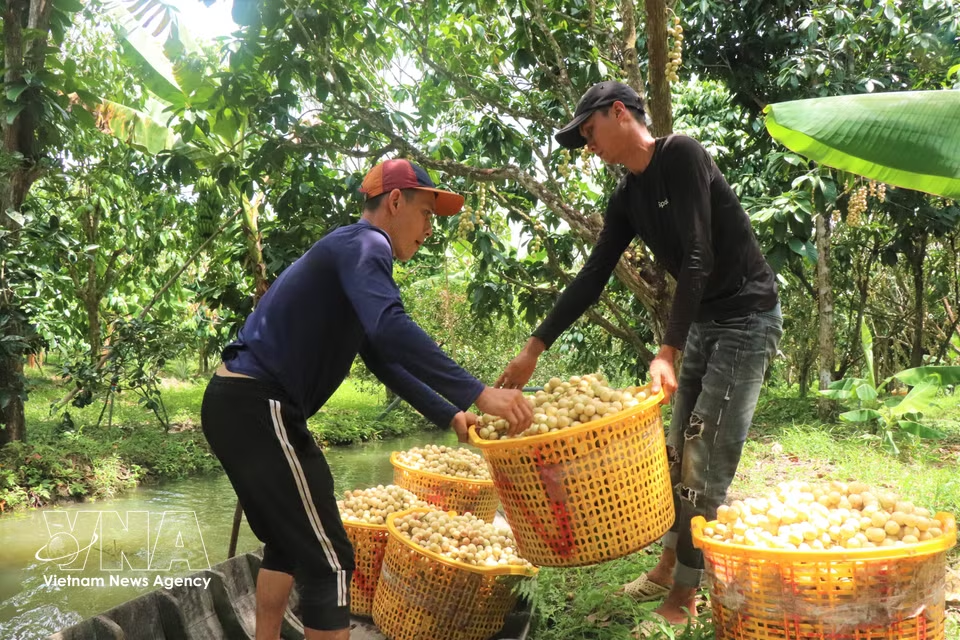
Ha Chau Burmese grapes are harvested annually from May to mid-October on the lunar calendar, with the peak season falling around the seventh and eighth lunar months. (Photo: VNA)
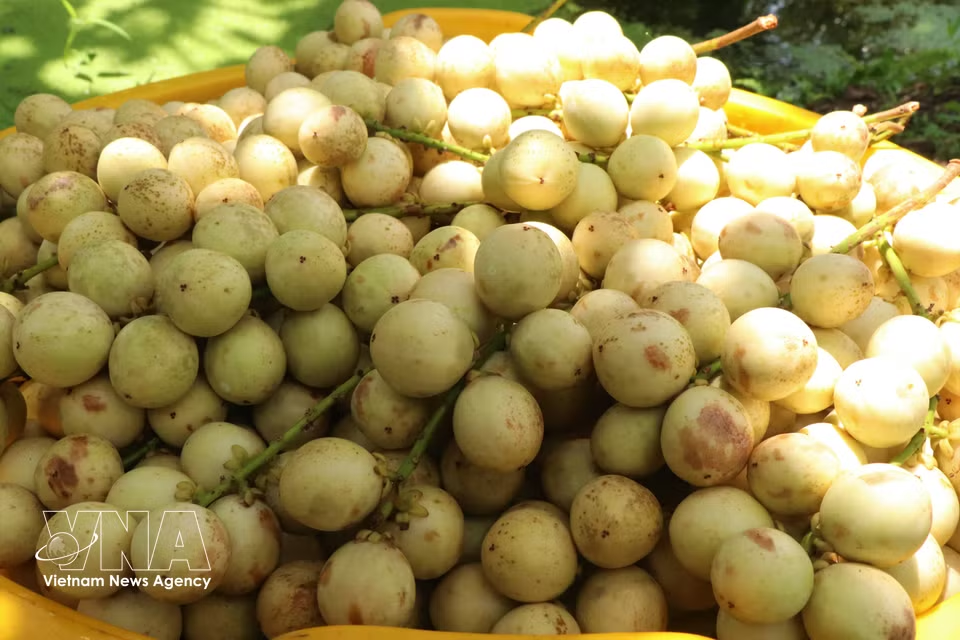
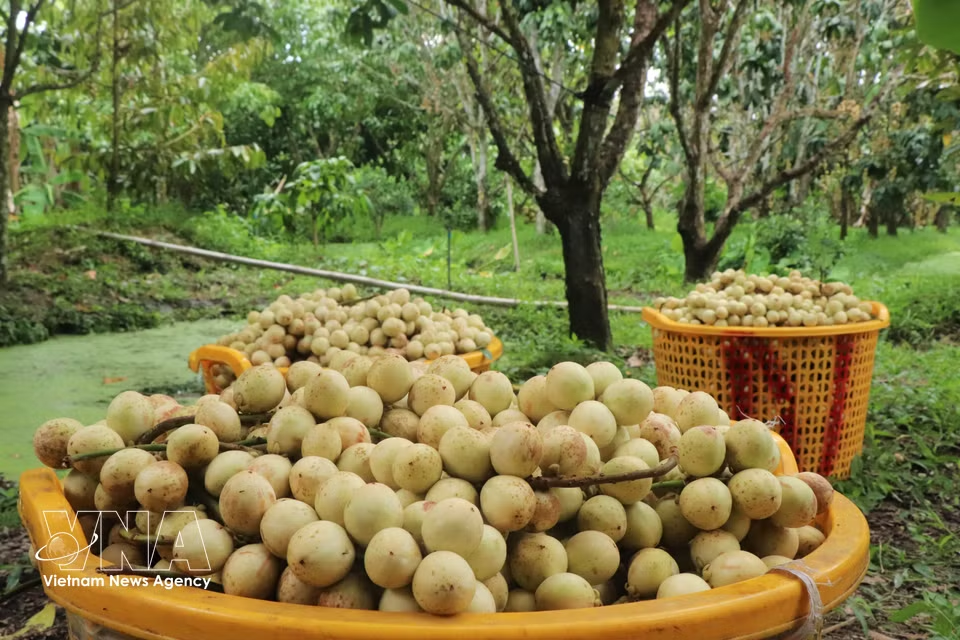
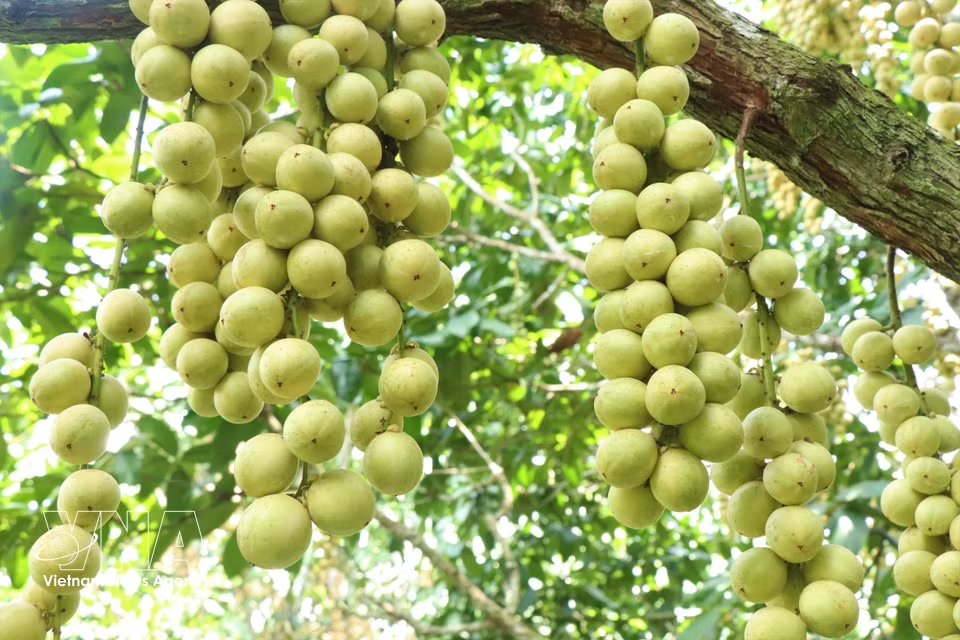
The fruit is highly sought after for its attractive appearance, appealing colour and excellent quality. (Photo: VNA)
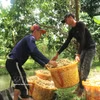
Farmers harvest Ha Chau Burmese grapes at a local orchard. (Photo: VNA)
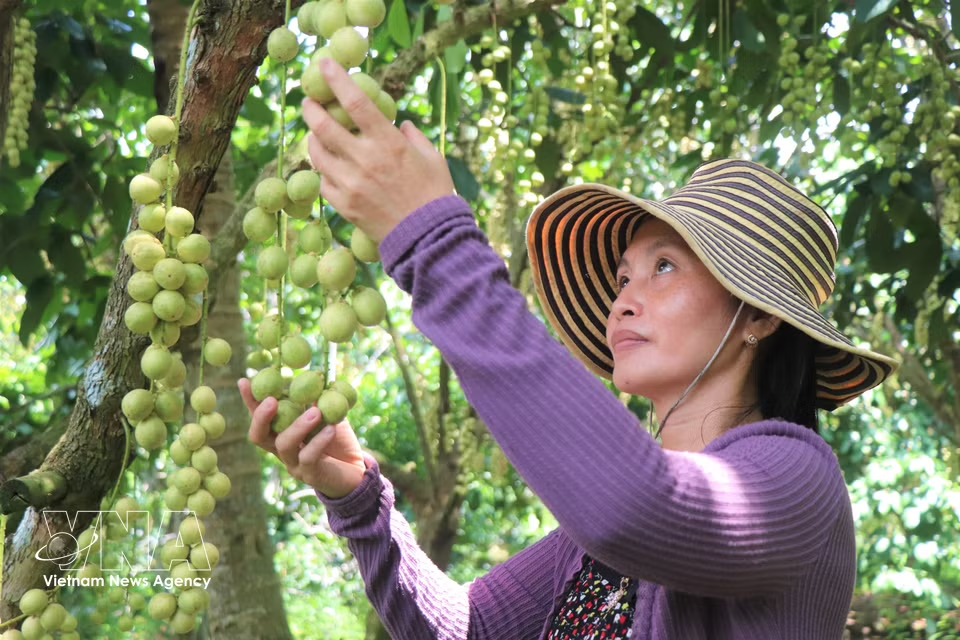
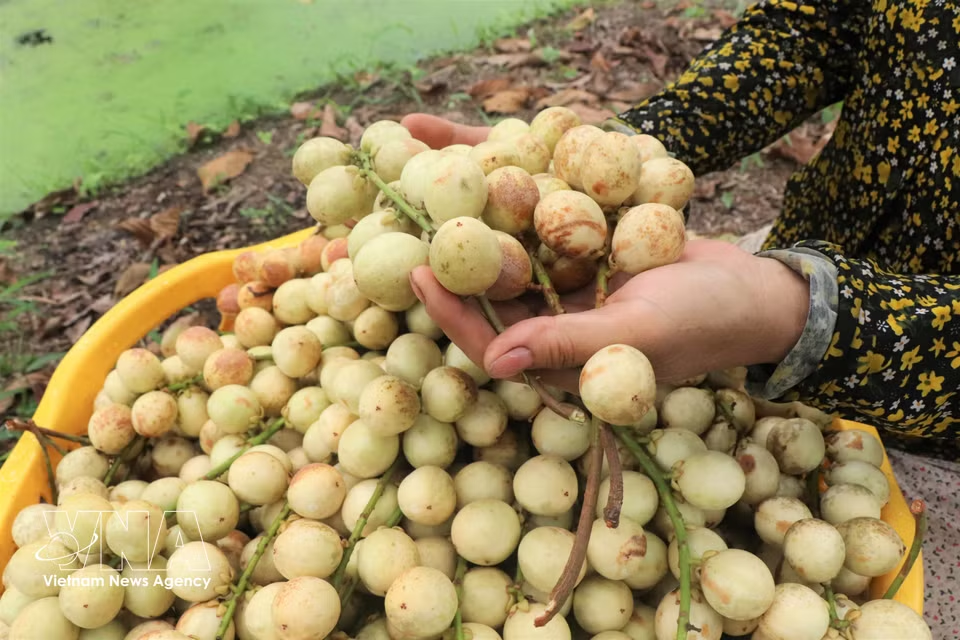
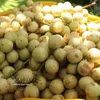
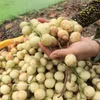
When ripe, Ha Chau Burmese grapes turn pale yellow, with milky-white flesh and a delicately sweet flavour balanced by a hint of tartness. Photo: VNA
As cultivation areas have declined in recent years, traders often purchase Ha Chau Burmese grapes at relatively high prices, ranging from 10,000 to 20,000 VND (0.38-0.76 USD) per kilogram, depending on the season. (Photo: VNA)
Depending on the age of the trees, Ha Chau Burmese grapes yield around 2–2.5 tonnes per 1,000 sq.m each season. (Photo: VNA)
Recognised as one of the signature fruits of the Tay Do region, Ha Chau Burmese grapes have gained growing popularity not only in Can Tho but also among consumers in many other provinces and cities across Vietnam. (Photo: VNA)
0
1
2
3
4
5
6
7
8

Ha Chau Burmese grape season in Can Tho

Ha Chau Burmese grape, one of the best-known local specialties in the Mekong Delta city of Can Tho, is gradually losing ground as many growers switch to more profitable fruit crops. Nevertheless, a number of farming households continue to cultivate the fruit, improving its quality and value to preserve and promote this distinctive regional specialty.