Jakarta (VNA) – Indonesia is stepping up efforts to develop its shipbuilding industry as part of a broader strategy to accelerate logistics transformation, support food security and enhance the competitiveness of its manufacturing sector.
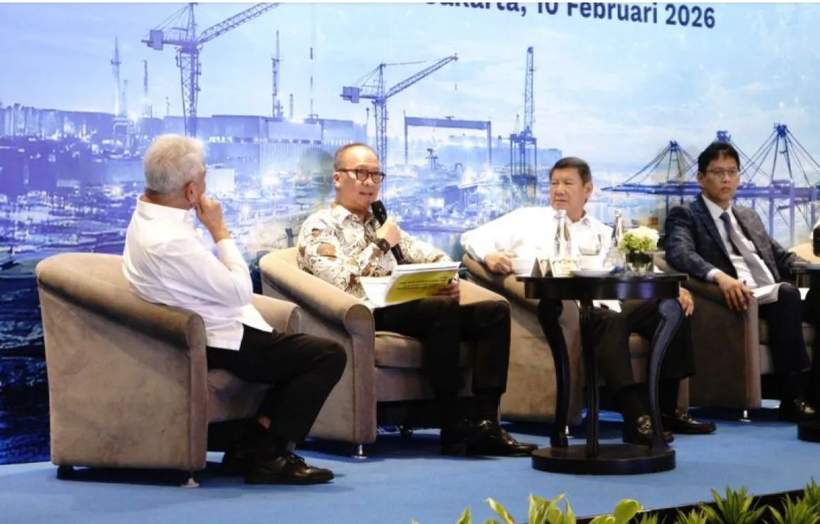
Industry Minister Agus Gumiwang Kartasasmita said that as a archipelagic nation, Indonesia relies heavily on maritime transport, which serves as the backbone of its national logistics system. Strengthening shipbuilding capacity is therefore crucial to improving inter-island distribution of goods and ensuring smooth connectivity across the country.
In 2025, Indonesia’s manufacturing sector posted growth of 5.3%, surpassing the country’s overall economic expansion of 5.11%.
This marked the sector’s strongest performance in more than a decade and reaffirmed its role as a key driver of the national economy.
Indonesia currently has around 342 shipyards located in 29 provinces and cities, employing tens of thousands of workers and capable of producing various types of vessels, including large-capacity ships. The country’s development strategy focuses on integrating supply chains, upgrading equipment and production technology, improving the regulatory framework, enhancing workforce skills, expanding financial support mechanisms, and strengthening logistics infrastructure.
However, Agus acknowledged that the shipbuilding industry continues to face structural challenges, notably weak market demand
and heavy dependence on imported raw materials and components, which affect the localisation rate.
He noted that domestic shipyards have a combined design capacity of approximately 1,242 vessels per year. Nevertheless, utilisation remains low due to limited new ship orders, highlighting the need for policies that create sustainable market demand.
To address these issues, the government is implementing measures such as simplifying licensing procedures, providing low-interest credit support, expanding import-substitution programmes, offering tax incentives, and tightening management at import ports.
According to Agus, the government’s priority programme to build 975 new vessels presents significant opportunities for domestic shipyards to increase output, improve capacity utilisation and enhance competitiveness.
With close policy coordination and broad-based cooperation among stakeholders, Indonesia’s maritime industry is expected to become a strategic pillar of national logistics and connectivity in the coming years, he added./.