Jakarta (VNA) - Indonesia has pledged to revive its historic spice legacy by designating North Maluku as a global spice hub, Indonesian Minister of Agriculture Andi Amran Sulaiman said at a coordination meeting in Ternate on October 28, outlining plans to achieve it through plantation downstreaming and industrialisation.
Sulaiman was quoted by local media as saying that North Maluku holds extraordinary potential to become the epicentre of spice and plantation commodity development, including nutmeg, cloves, and coconut.
North Maluku has immense potential as the epicentre of plantation commodities such as nutmeg, cloves, and coconut commodities that made eastern Indonesia the heart of global trade centuries ago. Through downstreaming and industrialisation, the Ministry of Agriculture is determined to restore that glory within a modern economic framework, he said.
The official emphasised that Indonesia once attracted European powers like Portugal and the Netherlands for its spices, but now aims to reclaim that legacy through innovation and value-added processing. Maluku and North Maluku must once again become the world’s spice centre, he said.
Aligned with Indonesian President Prabowo Subianto’s directive, the Indonesian Government has prepared an investment scheme worth 371 trillion IDR (21 billion USD) to strengthen downstreaming in the agricultural sector, particularly strategic plantation commodities across Indonesia.
As part of this commitment, the ministry has expanded coconut plantation support in North Maluku from 10,000 to 15,000 hectares. The initiative is part of a broader programme covering 14 strategic plantation commodities, projected to create 8.6 million jobs nationwide.
The minister underscored the importance of downstreaming spice and coconut commodities, noting that Indonesia’s current coconut export value of 24 trillion IDR could soar to 2,400 trillion IDR (150 billion USD) if processed into derivative products such as coconut milk and oil.
He also urged the rapid development of nutmeg and clove processing plants, stressing that exporting raw materials only benefits other nations./.

Indonesia accelerates Cesium-137 radiation decontamination
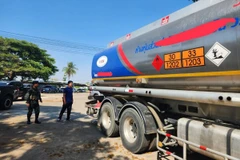
Head of the Task Force’s Mitigation and Cs-137 Contamination Management Division Rasio Ridho Sani confirmed that 22 factories and 12 other sites had undergone decontamination after exposure to Cs-137 radioactive contamination. Of the 22 factories affected by Cs-137 radiation, 21 have been successfully decontaminated.