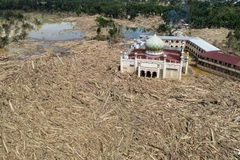
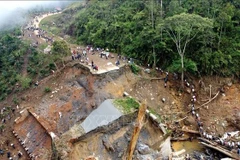
Jakarta(VNA) - Despite being a tropical country with abundant rainfall, Indonesia is currently confronting a severe, multifaceted water security crisis that requires urgent collective action from all stakeholders to safeguard the welfare of present and future generations.
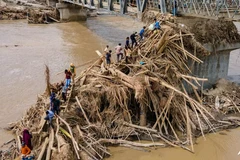
Experts from the World Resources Institute (WRI) Indonesia have warned that the country is suffering from water sources that are “too little, too much, and too polluted” due to human factors such as changes in land use, over-exploitation, and the increasing impacts of climate change. WRI data shows that Indonesia ranks among countries at high risk for both droughts and floods.
The water crisis is causing serious consequences, including agricultural water shortages that drive up food prices, waterborne diseases like diarrhoea becoming one of the leading causes of child mortality, and severe economic losses. Meanwhile, analysis from the World Bank (WB) also highlights that Indonesia’s financial resources for water security remain very insufficient, while as many as 76 million people live in areas highly prone to flooding.
To address this crisis, experts emphasise that collective action is key. The responsibility for water conservation must come from all levels, they added./.
Indonesia expands social assistance programme
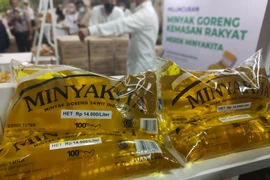
Indonesia’s government has decided to expand its social assistance programme with a total budget of 6.5 trillion IDR (390 million USD), which includes doubling the amount of cooking oil distributed to beneficiaries starting in October.